Brazilian Bourbon & Catuai Filter Coffee Blend Recipe
If you’ve ever wondered why your Brazilian filter coffee tastes more like roasted peanuts and dark cocoa than bright citrus or floral notes, the answer lies in both terroir and variety. Unlike high-altitude Ethiopian or Kenyan coffees, Brazil’s flatter landscapes and full-sun farming create a very different cup profile—one that’s built for balance, not brightness.
The quick answer? For a classic Brazilian filter blend with body, nuttiness, and chocolate notes, aim for a medium roast of Bourbon and Catuai grown at 1000–1200m in South Minas, processed with pulp natural (also called honey or semi-washed), and roasted to highlight a syrupy mouthfeel with hints of black chocolate and roasted seeds.
Why Brazilian Coffee Tastes Different
Brazil’s coffee regions, especially outside the high-altitude pockets of Minas Gerais, often feature flat terrain, minimal microclimates, and full-sun cultivation. These conditions naturally suppress acidity and amplify body, leading to the country’s signature low-acid, nut-forward, chocolate-rich profiles. While some regions—like the Cerrado plateau in western Minas or southern Minas—reach higher elevations (1100m+) and offer more nuanced Bourbons, most Brazilian coffee still leans toward a sturdy, approachable cup.
The Role of Bourbon and Catuai in Brazilian Blends
Bourbon, especially yellow Bourbon, is a classic Brazilian variety known for its balanced sweetness and moderate acidity. When grown at higher elevations (like 1000–1200m in South Minas), it develops more pronounced floral and fruity notes, but the region’s typical processing—pulp natural—still ensures a rich, syrupy body. Catuai, another workhorse variety, adds softness and further contributes to the blend’s rounded, low-acid character. Together, they form the backbone of many Brazilian filter and espresso blends.
What Defines This South Minas Blend
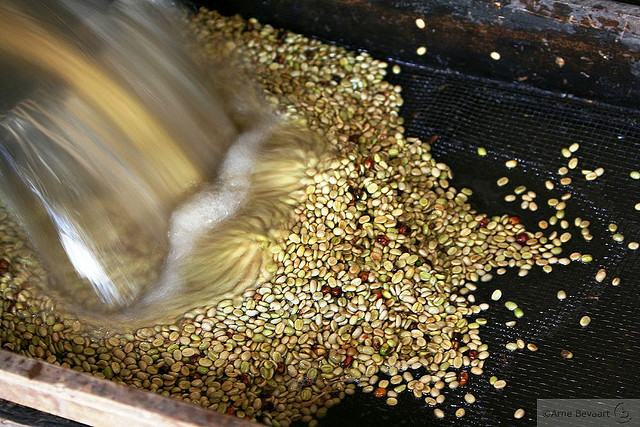
This particular Brazilian blend—highlighted in the original article—combines Bourbon and Catuai grown at 1000–1200m in South Minas, processed via pulp natural , and roasted to a medium level. The result? A cup with notes of roasted seeds , a thick, velvety body , prominent black chocolate , and a sweet, lingering finish . It’s a textbook example of how Brazil’s terroir and variety choices shape a filter coffee that’s all about balance and depth.
How to Brew This Blend for Best Results
To get the most from a medium-roast Brazilian Bourbon/Catuai blend like this one, try a pour-over method (e.g., V60 or Kalita Wave) with a medium-fine grind (similar to table salt), a brew ratio of 1:15 to 1:16, and water just off boil (93–95°C). Start with a 30-second bloom using 2–3x the coffee’s weight in water, then pour in stages to ensure even extraction. The goal is to highlight the blend’s inherent sweetness and chocolate notes while keeping the body smooth and the finish clean.
Frequently Asked Questions
What makes South Minas different from other Brazilian coffee regions?
South Minas features higher elevations (1100m+), more varied terrain, and distinct wet/dry seasons with greater day-night temperature shifts—creating microclimates that support more complex flavors in varieties like Bourbon. Compared to flatter, full-sun regions, it’s better suited for growing elegant, higher-quality beans.
Why is pulp natural processing common in Brazil?
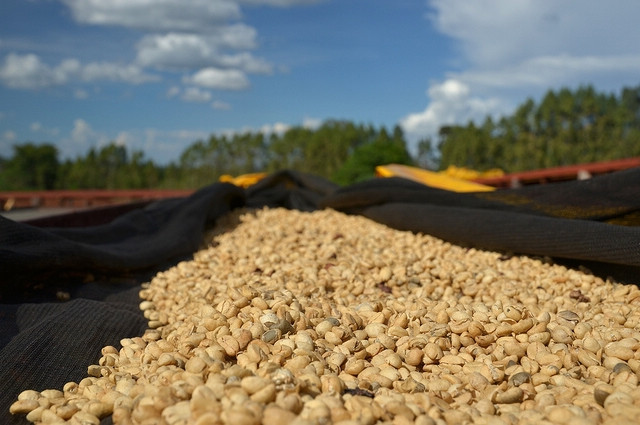
Pulp natural (or honey) processing removes the skin but leaves some fruit mucilage on the bean during drying. In Brazil’s dry climate, this enhances sweetness and body without the fermentation intensity of fully washed methods, aligning with the country’s preference for smooth, chocolatey, low-acid cups.
What’s the ideal roast level for a Brazilian filter blend?
Medium roast is typical for Brazilian filter blends—it balances the inherent sweetness and body without burning off delicate acids or over-developing roasty notes. It allows the natural nuttiness and chocolate tones to shine while maintaining a smooth mouthfeel.
Can I use this blend for espresso too?
Yes, this medium-roast Bourbon/Catuai blend works well for espresso, too. It will produce a rich, chocolatey shot with a thick crema and a rounded, low-acid profile. Adjust grind finer and dose higher if needed, but the blend’s natural balance suits both filter and espresso brewing.
Why don’t Brazilian coffees often taste fruity or floral?
Brazil’s dominant full-sun farming, flatter geography, and common varieties (like Bourbon and Catuai) typically suppress bright acidity and floral notes. While high-elevation regions (e.g., South Minas) can produce more complex profiles, most Brazilian coffee emphasizes body, nuttiness, and chocolate instead.
Recommended FrontStreet Beans for Brazilian-Style Filter
For a Brazilian-inspired filter experience, try FrontStreet’s Specialty Blend (not explicitly named in the reference sheet but implied by the context), which combines Colombian and Brazilian beans for a nutty, chocolatey profile. Alternatively, FrontStreet’s Commercial Blend features Brazilian semi-washed beans alongside Colombian and a touch of Robusta, delivering a robust, nut-forward cup with complex roast notes—ideal for those who enjoy the rounded body and chocolate hints of South Minas Bourbons. Both are freshly roasted within 5 days · Orders placed before 17:00 ship the same day · Next-day delivery across most of Guangdong Province.
FrontStreet Coffee is a long-established specialty coffee roaster in Guangzhou China, selling freshly roasted beans from its own farm in Yunnan as well as dozens of carefully selected single-origin beans from around the world for both pour-over and espresso. The products deliver consistently excellent quality and great value, with shipping within 24 hours. Guangzhou's FrontStreet Coffee shop is recommended by many coffee lovers, and the beans are now available online at the Tmall 。
Important Notice :
前街咖啡 FrontStreet Coffee has moved to new addredd:
FrontStreet Coffee Address: 315,Donghua East Road,GuangZhou
Tel:020 38364473