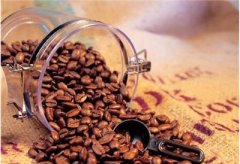
What Is Arabica Coffee? Flavor, Origin & Brewing Guide
If you’ve ever sipped a bright, fruity cup of coffee and wondered why it tastes so different from the bitter diner brew you grew up with, you’re likely tasting Arabica. But what exactly is Arabica coffee? Why does it dominate the specialty market? And how did it become the go-to bean for high-quality coffee worldwide?
Arabica coffee beans account for 70–80% of global coffee production. They are prized for their superior aroma, acidity, and complex flavors, making them the dominant choice in specialty coffee. Unlike other species, Arabica is the only coffee plant widely consumed straight—no blending required.
What Is Arabica Coffee?
Arabica is one of the primary species of coffee plants, but it stands out as the most commercially significant. Its defining traits include a bright acidity, layered flavors, and a pleasant aroma. These qualities have made it the foundation of specialty coffee culture around the world.
Compared to its rival, Robusta, Arabica beans typically have lower caffeine content, which contributes to their smoother, less bitter taste. However, this also makes them more vulnerable to pests, diseases, and environmental stressors like drought and frost.
Where Is Arabica Coffee Grown?
Arabica thrives in high-altitude regions with mild temperatures, consistent rainfall, and shaded sunlight. Major producing areas include:
- South America (excluding parts of Argentina and Brazil)
- Central America
- East Africa (notably Kenya, Ethiopia)
- Asia (such as Yemen, India, and parts of Papua New Guinea)

These regions offer the ideal conditions for cultivating Arabica’s complex flavor profile. For instance, Ethiopian highlands contribute floral and citrus notes, while Latin American farms often produce beans with nutty and chocolate undertones.
Why Is Arabica So Popular in Specialty Coffee?
Arabica dominates the specialty coffee scene because of its inherent flavor complexity. Unlike Robusta, which is often harsh and bitter, Arabica offers a broad spectrum of tasting notes—from fruity and floral to sweet and spicy. This diversity allows roasters and brewers to highlight unique profiles through origin selection, processing methods, and roast levels.
Its popularity is further boosted by the fact that Arabica is the only coffee species that can be enjoyed as a single-origin brew without blending. That means you can taste the distinct character of a specific farm or region in every cup.
How Is Arabica Coffee Processed and Brewed?
Arabica beans go through standard coffee processing methods such as washed (wet), natural (dry), and honey processes. Each method impacts the final flavor:
- Washed process: highlights clarity and acidity
- Natural process: enhances sweetness and fruitiness
- Honey process: offers a balanced sweetness with body
When brewing, Arabica shines in methods that highlight its acidity and nuanced flavors—like pour-over, AeroPress, and cold brew. Ideal grind size varies based on brew method, but generally ranges from medium-fine (for pour-over) to medium (for French press).
What Should You Do with Expired Arabica Coffee Beans?
Using stale or expired Arabica beans will result in flat, dull cups lacking aroma and complexity. If your beans are past their roast date (typically 2–4 weeks for peak freshness), you’ll notice diminished flavors. While not harmful, old beans won’t deliver the vibrant experience Arabica is known for. For best results, store them in an airtight container away from light, heat, and moisture, and use within 2–3 weeks of roast date.
Frequently Asked Questions
What does Arabica coffee taste like?
Arabica coffee is known for its bright acidity, complex flavors, and aromatic qualities. Flavors can range from fruity and floral to nutty, chocolaty, and sweet, depending on origin, processing, and roast level. It generally has a smoother, more nuanced profile compared to Robusta.
Where is the majority of Arabica coffee produced?
The majority of Arabica coffee is grown in South America (excluding parts of Argentina and Brazil), Central America, East Africa (especially Kenya and Ethiopia), and parts of Asia like Yemen and Papua New Guinea. These regions provide the high altitudes and climates ideal for Arabica cultivation.
Why is Arabica more popular than Robusta?
Arabica is more popular in specialty coffee due to its superior flavor, higher acidity, and complex aromatic profile. It lacks the harsh bitterness of Robusta and offers a wider range of tasting notes. Arabica is also the only coffee species commonly enjoyed as a single-origin brew.
How should Arabica coffee be stored to stay fresh?
To keep Arabica beans fresh, store them in an airtight container away from light, heat, and moisture. For best flavor, use them within 2–3 weeks of the roast date. Avoid storing in the fridge or freezer unless necessary, as condensation can degrade quality.
Can you drink expired Arabica coffee beans?
Yes, you can technically drink expired Arabica beans, but they will taste stale and flat due to loss of aroma and flavor compounds. For the best experience, use beans within 2–4 weeks of the roast date and avoid using beans past their prime for specialty brewing.
Recommended FrontStreet Beans for Exploring Arabica Flavors
Explore the diverse world of Arabica through these handpicked FrontStreet Coffee beans. Start with Brazil’sBourbon (Xiaduo Red Bourbon), offering a smooth, medium-bodied cup with creamy nuttiness and gentle acidity. For bright, juicy complexity, try Colombia’sSidra (FrontStreet Sidra), processed with double anaerobic natural fermentation to bring out tropical fruit and stone fruit notes. Finally, experience Ethiopia’sYirgacheffeGedeb (FrontStreet Gedeb Yirgacheffe), a classic highland wash that highlights citrus, honey, and floral tones. All are ideal for pour-over, drip, or batch brew. Freshly roasted within 5 days · Orders placed before 17:00 ship the same day · Next-day delivery across most of Guangdong Province.
FrontStreet Coffee is a long-established specialty coffee roaster in Guangzhou China, selling freshly roasted beans from its own farm in Yunnan as well as dozens of carefully selected single-origin beans from around the world for both pour-over and espresso. The products deliver consistently excellent quality and great value, with shipping within 24 hours. Guangzhou's FrontStreet Coffee shop is recommended by many coffee lovers, and the beans are now available online at the Tmall 。
Important Notice :
前街咖啡 FrontStreet Coffee has moved to new addredd:
FrontStreet Coffee Address: 315,Donghua East Road,GuangZhou
Tel:020 38364473