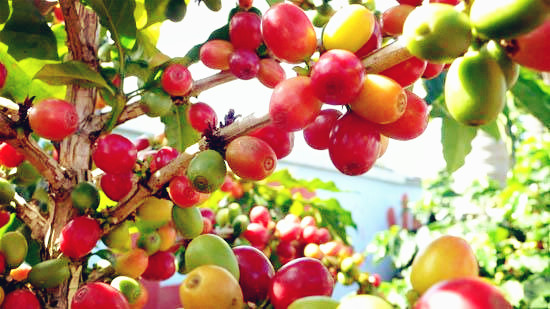
Washed Processed PNG Kimel Valley Peaberry Coffee from Chimil Estate
If you’ve tried Indonesian Sumatra or Sulawesi coffees and found them earthy, low-acid, and heavy-bodied, you might wonder: what do other South Pacific islands offer? Papua New Guinea (PNG) produces coffee with a completely different profile—bright acidity, floral tones, and citrusy sweetness. But what makes a specific PNG coffee stand out even among its peers? The answer lies in terroir, processing, and variety selection, especially when grown at high altitudes by smallholder farmers.
The washed processed peaberry coffee from Chimil Estate in PNG’s Western Highlands delivers a bright, sweet, and creamy cup with nutty, sugarcane, and light spice notes—thanks to its high elevation, meticulous washing process, and the unique mix of varieties grown there.
Where Is Papua New Guinea Coffee Grown?
Papua New Guinea sits east of Indonesia, on the eastern half of the island of New Guinea. Around 85% of its coffee comes from smallholder farms, often organized into cooperatives that share wet mills and processing facilities. The country’s highland regions, ranging from 1,200 to 2,500 metres above sea level, offer ideal growing conditions with volcanic soils, consistent rainfall, and tropical highland climates similar to Central America. Most of the coffee is cultivated above 1,300 metres using organic practices and shade-grown methods.
What Makes PNG Coffee Different from Indonesian Coffee?
Unlike the dominant semi-washed (giling basah) method used in Sumatra and Sulawesi—resulting in full-bodied, low-acid, earthy profiles—PNG coffee is typically fully washed. This process enhances clarity, brightness, and acidity. The higher elevation and distinct coffee varieties also contribute to its closer resemblance to Latin American coffees: think bright citric acidity, floral aromas, and juicy sweetness rather than the deep spices and muted tones of Indonesian coffees.
Chimil Estate: A Unique Farmer Cooperative Model
Chimil Estate is located near the Kimel River Valley in the Western Highlands’ Waghi Valley region. Though it operates like a large estate with its own washing station, it is actually owned collectively by local Opais smallholder farmers. This makes it more akin to a private cooperative. The estate benefits from stable processing standards and optimal growing conditions, producing coffees with vibrant acidity and distinctive regional character. The washing facility ensures consistent quality control, further enhancing the cup profile.
Varietal Diversity: Why One Variety Isn’t Enough
Farmers at Chimil Estate grow a wide range of coffee varieties—including Typica, Arusha, Blue Mountain, Mundo Novo, Catimor, and Caturra—often planting multiple types to hedge against climate risks or poor adaptation by any single variety. This varietal diversity contributes to the complexity and unique cup profile of the estate’s coffee. Rather than focusing on a single cultivar, the blend of genetics adds layers of flavour, balance, and aroma to the final cup.
Flavour Profile of the Chimil Estate Washed Peaberry
This particular Grade A washed peaberry coffee from Chimil Estate offers a cup that is both complex and balanced. On the palate, you’ll find subtle spicy notes, followed by a sweet profile of nuts and sugarcane. The mouthfeel is smooth and creamy, almost buttery, with a round, full body. As a peaberry—where a single rounded bean forms instead of two flat beans—the coffee tends to have a more concentrated flavour and heavier body. The result is a clean, sweet, and well-structured cup with excellent balance.
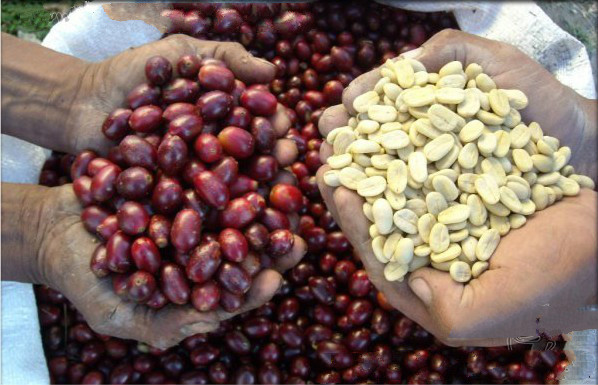
What Is a Coffee Peaberry?
A peaberry occurs when a coffee cherry produces just one rounded bean instead of the usual two flat-sided beans. This happens in about 5% of all coffee cherries. Peaberries are often separated during sorting because their rounded shape can roast more evenly and sometimes develop more intense flavours. While not inherently superior, peaberries frequently exhibit a more focused cup profile, with enhanced sweetness and body compared to regular flat beans from the same batch.
Why Washed Processing Matters for PNG Coffee
The washed (or wet) process removes the coffee cherry’s skin and pulp before fermenting and washing away the mucilage. This method highlights the bean’s intrinsic qualities, resulting in a cleaner, brighter cup. In PNG, where high altitudes and diverse microclimates prevail, washed processing helps express the inherent fruitiness and acidity without the muddiness that can come from less controlled methods. For Chimil Estate, this process ensures consistency across the cooperative’s diverse farmer contributions.
Frequently Asked Questions
What is special about PNG coffee compared to Indonesian coffee?
PNG coffee is typically washed, resulting in a bright, acidic, and fruity cup, unlike the low-acid, earthy, and full-bodied profiles of Indonesian coffees which are usually processed via semi-washed (giling basah) methods. PNG’s higher altitudes and different coffee varieties also contribute to its more vibrant and complex flavours.
Where is Chimil Estate located in Papua New Guinea?
Chimil Estate is situated in the Western Highlands of Papua New Guinea, near the Kimel River Valley in the Waghi Valley region. It lies within a high-altitude area ideal for coffee cultivation, ranging from 1,200 to 2,500 metres above sea level.
What varieties are grown at Chimil Estate?
Chimil Estate farmers grow a wide array of coffee varieties including Typica, Arusha, Blue Mountain, Mundo Novo, Catimor, and Caturra. This varietal diversity helps manage farming risks and contributes to a complex and balanced cup profile.
What is a peaberry and how does it affect coffee flavour?
A peaberry is a single rounded coffee bean that forms inside the cherry instead of the usual two flat beans. They occur in roughly 5% of cherries and often roast more evenly, sometimes leading to a sweeter, more concentrated flavour and heavier body in the cup.
How is coffee processed at Chimil Estate?
Chimil Estate uses a washed processing method where coffee cherries are depulped, fermented, washed to remove mucilage, and then dried. This process highlights the bean’s inherent qualities, resulting in a clean, bright, and high-acid cup, and is managed through a centralised washing station that ensures quality consistency.
Why do smallholder farmers in PNG use cooperatives?
Most coffee in PNG is produced by smallholders who lack individual processing infrastructure. By joining cooperatives or private estates like Chimil Estate, they share resources such as washing stations, milling equipment, and technical expertise, which improves quality control and market access.
Recommended FrontStreet PNG Coffee Beans
For a similarly bright and complex experience, try FrontStreet’s Paradise Bird from PNG’s Western Sigi Estate. It features notes of milk chocolate, honey, and tropical fruits with a clean and balanced cup. Another great option is FrontStreet’s Yirgacheffe-inspired washed lot, which shares PNG’s bright acidity and floral brightness. Both offer a great introduction to high-elevation, washed-process single origins with vibrant fruit and balance. Freshly roasted within 5 days · Orders placed before 17:00 ship the same day · Next-day delivery across most of Guangdong Province.
FrontStreet Coffee is a long-established specialty coffee roaster in Guangzhou China, selling freshly roasted beans from its own farm in Yunnan as well as dozens of carefully selected single-origin beans from around the world for both pour-over and espresso. The products deliver consistently excellent quality and great value, with shipping within 24 hours. Guangzhou's FrontStreet Coffee shop is recommended by many coffee lovers, and the beans are now available online at the Tmall 。
Important Notice :
前街咖啡 FrontStreet Coffee has moved to new addredd:
FrontStreet Coffee Address: 315,Donghua East Road,GuangZhou
Tel:020 38364473