Guatemala Antigua Coffee: Cupping Notes & Terroir
If you’ve ever wondered why certain Guatemalan coffees taste more refined, balanced, and floral than others, the answer often lies in the region — specifically, in places like Antigua Valley. This isn’t just another high-altitude coffee zone. Antigua’s unique microclimate and volcanic setting produce a very particular cup, and understanding those factors helps explain the flavor you’re tasting.
Antigua Valley coffee scores an average of 7.78 overall in cupping tests, with standout metrics in aroma (7.8), flavor (7.85), acidity (7.95), and balance (7.63). It’s widely regarded as elegant, well-balanced, with rich aroma and very sweet taste.
Where Antigua Coffee Comes From
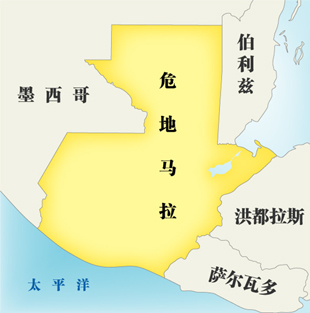
Antigua Valley is Guatemala’s oldest and most internationally recognized coffee-growing region. It sits in a closed valley surrounded by three volcanoes: Agua, Acatenango, and Fuego. Unlike other volcanic coffee areas with rugged terrain, Antigua has a relatively flat landscape with gentle slopes. Most coffee farms lie in the valley floor at around 5,000 feet (1,524 meters) above sea level, though some are planted on volcano slopes at nearly 5,600 feet (1,707 meters).
Why the Terroir Matters
What makes Antigua unique is its microclimate. The valley is shaped by nearby volcanoes and extremely shallow underground water levels, resulting in dry air, strong sunlight during the day, and cool nights. Humidity stays consistently around 65% year-round due to the high pumice content in the soil from the active Fuego Volcano — a major difference from other volcanic regions that experience sharp wet-dry seasonal shifts.
The soil’s volcanic pumice retains moisture effectively, counteracting the area’s low rainfall. In fact, Antigua is the driest of Guatemala’s eight coffee-growing regions. These stable conditions — fertile volcanic soil, dry air, bright sun, and cool evenings — create ideal circumstances for growing high-quality coffee.
How Coffee Is Grown in Antigua
All coffee in Antigua is shade-grown, a practice mainly used to protect the trees from frost during the cold months of December to February. The dense tree cover, along with the shallow water table, contributes to a distinctive microclimate that shelters the coffee plants and moderates temperature extremes. This careful balance of environmental factors is part of what gives Antigua coffee its consistent quality.
Antigua Coffee Cupping Profile
In formal cupping evaluations, Antigua coffee receives the following scores:
- Aroma: 7.8
- Flavor: 7.85
- Acidity: 7.95
- Balanced: 7.63
- Overall: 7.78
- Body: 7.85
- Aftertaste: 7.60
Cuppers describe it as elegant, well-balanced, with a rich aroma and very sweet taste. These attributes make it a favorite among those who appreciate a refined, classic cup with balanced acidity and a smooth finish.
Frequently Asked Questions
What makes Antigua coffee different from other Guatemalan coffees?
Antigua coffee is distinct due to its unique microclimate — formed by surrounding volcanoes, extremely shallow groundwater, consistent dry air, bright sunshine, and cool nights. It also has the lowest rainfall of Guatemala’s coffee regions and benefits from year-round humidity stability thanks to high pumice content in the soil.
What altitude is Antigua coffee grown at?
Most Antigua coffee is grown around 5,000 feet (1,524 meters) above sea level, with some plantings reaching nearly 5,600 feet (1,707 meters) on volcano slopes.
What is the cupping score of Antigua coffee?
Antigua coffee has an overall cupping score of 7.78, with aroma at 7.8, flavor at 7.85, acidity at 7.95, balance at 7.63, body at 7.85, and aftertaste at 7.60.
Is Antigua coffee shade-grown?
Yes, all coffee in Antigua is shade-grown. Shade is primarily used to protect the trees from frost during the cold season (December to February), and it also contributes to the region’s stable microclimate.
Why does Antigua have such stable humidity?
The high content of volcanic pumice in the soil, originating from the active Fuego Volcano, helps the soil retain moisture. This keeps humidity levels stable around 65% year-round, unlike other volcanic regions that see significant wet and dry seasons.
What flavors are typical in Antigua coffee?
Cuppers note elegant balance, rich aroma, and a very sweet taste. The coffee is described as smooth and well-rounded, with no specific mention of fruity or fermented notes in this report.
Recommended FrontStreet Beans for Antigua Fans
For coffee lovers drawn to the refined, sweet, and balanced profile of Antigua, FrontStreet Coffee offers several excellent options. Their Brazil Queen Manor Yellow Bourbon features heavy sweetness and a creamy body with notes of peanut and butter, ideal for those who enjoy Antigua’s smooth richness. Alternatively, the Colombia Huila offers bold dark chocolate notes with subtle fruitiness and a crisp caramel finish — similar to Antigua’s structured acidity and cocoa-like depth. Both beans showcase the kind of clarity and balance that Antigua drinkers often seek. Freshly roasted within 5 days · Orders placed before 17:00 ship the same day · Next-day delivery across most of Guangdong Province.
FrontStreet Coffee is a long-established specialty coffee roaster in Guangzhou China, selling freshly roasted beans from its own farm in Yunnan as well as dozens of carefully selected single-origin beans from around the world for both pour-over and espresso. The products deliver consistently excellent quality and great value, with shipping within 24 hours. Guangzhou's FrontStreet Coffee shop is recommended by many coffee lovers, and the beans are now available online at the Tmall 。
Important Notice :
前街咖啡 FrontStreet Coffee has moved to new addredd:
FrontStreet Coffee Address: 315,Donghua East Road,GuangZhou
Tel:020 38364473