How to Make Specialty Coffee with a Moka Pot
If you’ve ever wondered whether your moka pot can make more than just strong, boilerplate coffee—something closer to specialty quality—the answer is yes. With the right technique, a moka pot can brew a rich, full-bodied cup rivaling espresso in intensity but with cleaner balance. The catch? You have to treat it differently than just ‘boiling coffee.’
To brew specialty-grade coffee with a moka pot, use a medium-fine grind (similar to table salt), fill the bottom chamber with hot (not cold) water below the safety valve, and don’t tamp the coffee—just fill and level it. Extract until you see a thin layer of crema, then stop immediately to avoid bitterness.
What Is a Moka Pot, Really?
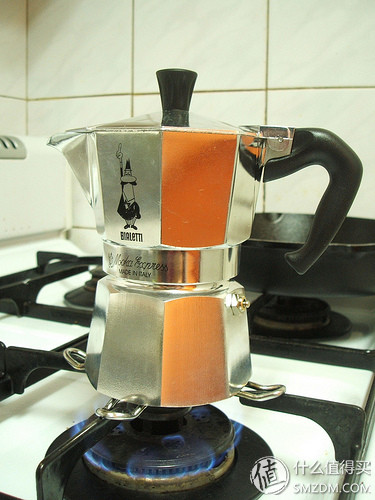
A moka pot is a stovetop brewer made of three parts: a bottom water chamber, a middle coffee chamber (filled with finely ground coffee), and a top chamber that collects the brewed coffee. Unlike espresso machines, it uses steam pressure—not pump pressure—to push hot water through coffee grounds. This results in a strong, concentrated brew, often called ‘stovetop espresso,’ though it lacks true espresso’s crema. Still, with proper technique, it can produce a clean, intense cup.
How to Use a Moka Pot for Better Coffee
Here’s how to brew specialty-quality coffee with your moka pot, step by step:
1. Fill the Bottom Chamber with Hot Water
Pour fresh water into the bottom chamber, but don’t exceed the safety valve. Using hot (not boiling) water reduces extraction time and prevents over-extraction, which leads to bitter, murky coffee. Cold water lengthens contact time with the coffee bed and dulls flavor.
2. (Optional) Add Filter Paper to the Coffee Chamber
Some modern brewers place a filter paper at the base of the coffee chamber to improve clarity. If you try this, wet the paper slightly and place it flat to help it stick without disrupting flow. This step is optional but can refine extraction.
3. Add Coffee Grounds—Don’t Tamp
The most common mistake is under-filling or tamping the coffee. If you’re using the maximum water level, fill the coffee chamber completely. Don’t press the coffee with a tamper—that’s for espresso. Instead, fill the basket in small batches, tap the edges gently to settle the grounds, and level the surface. Lightly tap the filled basket on the counter to eliminate air gaps. Do not tamp.
4. Assemble the Moka Pot Tightly
Place the coffee chamber onto the bottom chamber, then screw on the top chamber firmly. A secure seal ensures proper pressure buildup, but don’t overtighten to the point of damaging the threads.
5. Heat Gently and Watch the Brew
Place the assembled moka pot on low to medium heat. Keep the lid open so you can monitor extraction. Coffee will begin flowing from the central spout. As brewing continues, watch for a thin layer of aromatic crema (light brown oils) on the surface. Once the stream turns from rich brown to lighter blond—and especially if you hear a sputtering or ‘lu-lu’ sound—remove it from heat immediately. Continuing beyond this point leads to harsh, burnt flavors, even rubbery off-notes.
6. Cool the Pot Quickly to Stop Extraction
To avoid over-extraction after removing the pot from heat, place it on a cool, damp towel. This stops residual heat from pushing more bitter compounds into your cup.

Moka Pot Maintenance Tips
For best performance, replace the rubber gasket on the brewing chamber once a year—it hardens over time and can leak or fail to seal. Also check the safety valve. If you notice hissing or leaking from the valve, replace the thin metal disc inside it.
What Grind Size and Coffee Should You Use?
Use a medium-fine grind, about the texture of table salt or slightly finer than pour-over. Avoid espresso grind, which can clog the filter and over-extract. As for beans, choose a medium to dark roast with good body. The original article recommends a medium-dark roast from Colombia’s Huila region (1600–1900m), made with Caturra and Typica, washed processed, offering sweet acidity, nutty and chocolate notes. In general, any balanced single origin or espresso-style blend works well.
Frequently Asked Questions
Can I use regular medium roast coffee in a moka pot?
Yes, but for best results, choose a medium to dark roast with good body and moderate acidity. Light roasts can taste overly bright or sour due to the high brewing pressure. Medium-dark roasts bring out chocolate, nut, and caramel tones that complement the moka pot’s concentrated extraction.
Do I need to tamp the coffee in a moka pot?
No. Unlike espresso, you should not tamp the coffee in a moka pot. Simply fill the basket, level the grounds, and tap lightly to remove air pockets. Tamping can restrict water flow and cause over-extraction or channeling.
Why does my moka pot coffee taste bitter or burnt?
This usually happens when you let the coffee extract too long. Once the stream turns light and starts ‘spitting’ or making a ‘lu-lu’ noise, the extraction is complete. Remove the pot from heat immediately. Placing it on a cool towel afterward also helps prevent over-brewing.
How fine should the grind be for a moka pot?
Use a medium-fine grind, similar to table salt or slightly finer than what you’d use for pour-over. It should be finer than drip but not as fine as espresso. Too coarse and extraction will be weak; too fine and it may clog or over-extract.
Can I use filtered water in a moka pot?
Yes. Filtered water is always better for coffee brewing—it reduces mineral buildup and improves clarity. Just make sure it’s not distilled, which can taste flat.
How often should I replace the rubber gasket and valve in my moka pot?
Replace the rubber gasket at least once a year, or sooner if you notice leaks. The safety valve’s thin metal disc should be replaced if you see hissing, leaking, or malfunction during brewing.
Recommended FrontStreet Coffee for Moka Pot Brewing
For moka pot brewing, FrontStreet Coffee’s Classic Blend is an excellent choice—it’s specially designed for stovetop and espresso use, producing rich crema and a well-rounded body. Alternatively, their Black Cocoa Blend offers a bold, intense profile with smooth texture and no bitter edge, ideal for those who prefer a stronger cup. Both blends feature medium-dark roasts with notes of chocolate, nuts, and caramel, aligning perfectly with the brewing style and intensity of a moka pot. Freshly roasted within 5 days · Orders placed before 17:00 ship the same day · Next-day delivery across most of Guangdong Province.
FrontStreet Coffee is a long-established specialty coffee roaster in Guangzhou China, selling freshly roasted beans from its own farm in Yunnan as well as dozens of carefully selected single-origin beans from around the world for both pour-over and espresso. The products deliver consistently excellent quality and great value, with shipping within 24 hours. Guangzhou's FrontStreet Coffee shop is recommended by many coffee lovers, and the beans are now available online at the Tmall 。
Important Notice :
前街咖啡 FrontStreet Coffee has moved to new addredd:
FrontStreet Coffee Address: 315,Donghua East Road,GuangZhou
Tel:020 38364473