Colombia’s Huila: World’s Largest Washed Coffee Exporter
When you buy a bag labeled 'Colombian coffee,' you might assume it tastes bright, sweet, and balanced—but the truth is, Colombian coffee varies wildly. Even within top regions like Huila, quality differs significantly. So why does Colombia dominate the global washed coffee market, and what makes its best beans truly special?
Colombia is the world’s largest exporter of washed coffee, with over 95% of its production processed using the washed method. Much of that premium-quality output comes from southern highland regions like Huila, where farms sit above 1,500 meters and produce coffees with vibrant berry, caramel, and sweet acidity profiles.
Why Huila Stands Out Among Colombian Coffee Regions
The southern Colombian departments of Huila, Cauca (notably Popayán), Nariño, and Tolima are the country’s most celebrated specialty coffee zones. These areas share high altitudes—1,500 meters and above—and a climate that fosters slow cherry maturation. The result? Coffees with complex acidity, red berry and tropical fruit notes, underlying caramel sweetness, and a rounded, juicy mouthfeel. Huila, in particular, has become synonymous with high-quality Colombian coffee in the international market.
Understanding Coffee Varieties: Bourbon and Its Descendants
Bourbon, a natural mutation of Typica originating from the Island of Bourbon (now Réunion), is one of the oldest cultivated coffee varieties. Its green cherries ripen to a bright red, while yellow bourbon is a hybrid variant. Though bourbon trees tend to yield less and are more vulnerable to weather, they produce exceptional cup quality when grown at elevation. This variety, along with its subtypes, is commonly planted in Colombia’s high-altitude regions and contributes significantly to the distinct profiles of coffees from places like Huila.
How Washed Processing Enhances Colombian Coffee Flavors
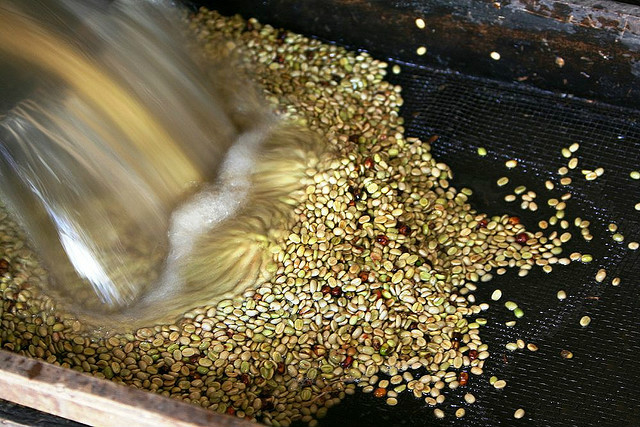
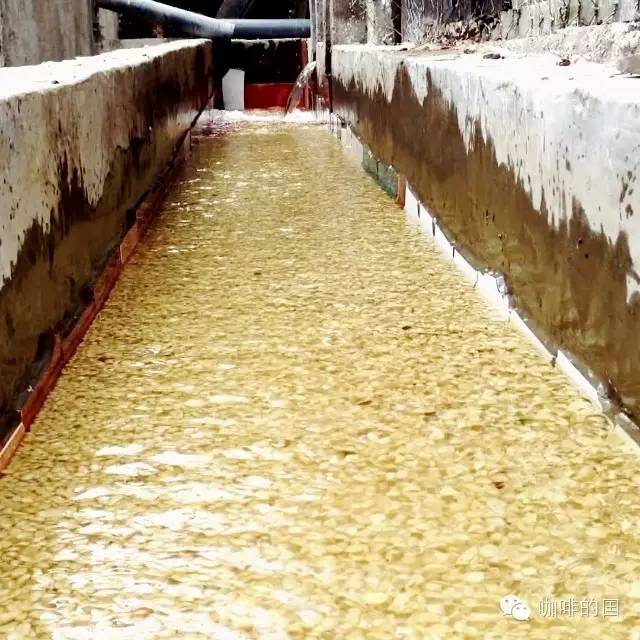
The washed process—known locally as fully washed or wet process—is central to Colombia’s coffee identity. In a detailed four-stage washed method used for some top lots, producers remove the coffee cherry skin and then ferment the sticky mucilage-covered seeds without water for 24 hours to break down sugars and alcohols via natural microbial action. This is followed by four separate water washes to fully strip the mucilage before the beans are dried mechanically. This careful processing not only stabilizes the green beans but also amplifies their inherent acidity and sweetness, resulting in a cleaner, more vibrant cup.
What Supremo and Excelso Really Mean
Most Colombian coffee is graded domestically as Supremo or Excelso. These terms refer solely to bean size and screen size—Supremo beans are larger and more uniform, while Excelso beans are slightly smaller and less consistent in shape. Contrary to common belief, Excelso beans can be just as flavorful as Supremo; size alone doesn’t determine taste. Many export lots from regions like Huila include both grades, and flavor quality depends far more on farm practices, variety, and processing than on bean classification.
Frequently Asked Questions
Why is Colombia the world’s largest washed coffee exporter?
Colombia exports more washed coffee than any other country, with over 95% of its production processed using the washed (wet) method. Its ideal high-altitude geography, stable climate, and focus on quality processing contribute to this leadership position.
What makes Huila coffee different from other Colombian regions?
Huila coffees, grown above 1,500 meters, are known for bright acidity, red berry and tropical notes, caramel sweetness, and a clean, juicy profile. The region’s consistent altitude and processing standards make it a benchmark for high-quality Colombian specialty coffee.
Does bean size (Supremo vs Excelso) affect coffee flavor?
No. Supremo and Excelso are size classifications, not quality indicators. Supremo beans are larger and more uniform, while Excelso beans are slightly smaller. Flavor depends more on origin, variety, processing, and roast—not just bean size.
What is the four-stage washed process mentioned in the article?
This method involves removing the coffee cherry skin, fermenting the mucilage for 24 hours without water to break down sugars, then washing the beans four times to fully remove the mucilage before drying. It enhances clarity, acidity, and sweetness in the final cup.
Is bourbon a common coffee variety in Colombia?
Yes. Bourbon, originally from Réunion Island, is one of the oldest coffee varieties. Its high-altitude-grown progeny are widely planted in Colombia and contribute to the bright, sweet, and complex flavors typical of the country’s best coffees, especially those from Huila.
Recommended FrontStreet Washed Process Coffees
For fans of Colombia’s bright, sweet washed profiles, try FrontStreet Coffee’s washed Yirgacheffe from Ethiopia, known for its vivid citrus and floral tones, or the Kenya Little Tomato, a washed Kenyan offering intense berry and wine-like acidity. Both showcase the kind of clarity and balance typical of high-grown washed coffees, much like top Huila lots. Freshly roasted within 5 days · Orders placed before 17:00 ship the same day · Next-day delivery across most of Guangdong Province.
FrontStreet Coffee is a long-established specialty coffee roaster in Guangzhou China, selling freshly roasted beans from its own farm in Yunnan as well as dozens of carefully selected single-origin beans from around the world for both pour-over and espresso. The products deliver consistently excellent quality and great value, with shipping within 24 hours. Guangzhou's FrontStreet Coffee shop is recommended by many coffee lovers, and the beans are now available online at the Tmall 。
Important Notice :
前街咖啡 FrontStreet Coffee has moved to new addredd:
FrontStreet Coffee Address: 315,Donghua East Road,GuangZhou
Tel:020 38364473