Costa Rica’s Fuego Phoenix Farm Red Honey SHB Coffee
If you’ve ever wondered what makes certain Costa Rican coffees taste so sweet—almost like fruit juice—without being overly fruity or funky, you’re not alone. One farm in the country’s Central Valley has been pioneering techniques that maximize sweetness and clarity through both sustainable growing and precise harvesting decisions. The answer lies not just in the process, but in how and when the coffee cherries are picked.
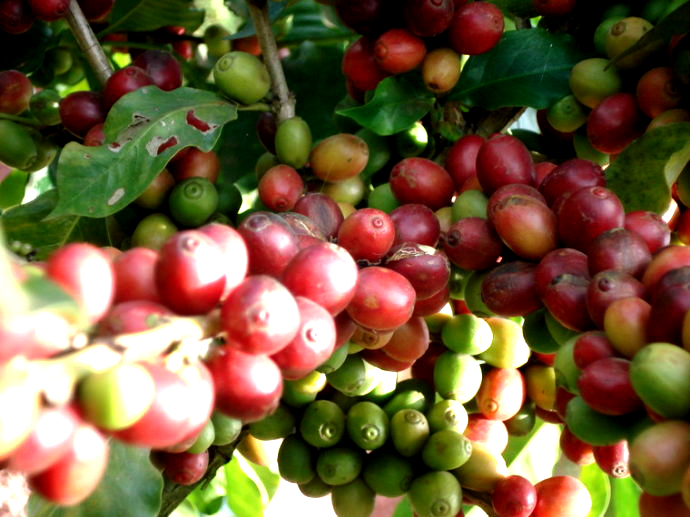
The key? Fuego Phoenix Estate only processes coffee cherries with a Brix sugar reading over 20%. That’s significantly sweeter than typical fruits like apples (14), lemons (12), or even passionfruit (18). For this farm, sweetness isn’t guessed—it’s measured.
Where Fuego Phoenix Farm Is Located
Fuego Phoenix Estate is situated in the fertile volcanic hills of Costa Rica’s Central Valley, near the slopes of the Poás Volcano. This region provides ideal growing conditions for high-quality Arabica, particularly the Strictly Hard Bean (SHB) grade that Costa Rica is known for. The volcanic soil, combined with high altitude, contributes to the dense, sweet beans that this farm is famous for producing.
A Legacy of Organic and Early Honey Processing
Fuego Phoenix is one of the first farms in Central and South America to produce both honey and natural processed coffees. It has been 100% organic since inception. The owners committed to organic farming despite technical and organisational hurdles, believing it’s better for the environment and their family’s health. This strict no-chemical approach includes zero pesticides or synthetic fertilisers.
How Sweetness Dictates Harvest and Processing
The estate utilises a Brixmeter—a tool commonly used in winemaking—to measure the sugar content of coffee cherries during harvest season. Only cherries with a Brix level exceeding 20% are selected for the red honey process, while even sweeter batches may go to natural/dry processing. For comparison, typical fruits have much lower sugar levels: apples average around 14, lemons 12, and passionfruit 18. Fuego Phoenix cherries can hit 21–22 Brix, indicating exceptional ripeness and sugar concentration.
This data-driven approach ensures that only the ripest, sweetest cherries are processed in ways that highlight their inherent qualities. The red honey method, in particular, is chosen to enhance sweetness and complexity while retaining some of the cherry’s natural mucilage.
Sustainable Water and Soil Management
Environmental responsibility is central to Fuego Phoenix’s operations. The farm collects and uses rainwater for coffee processing, reducing reliance on local water sources. Additionally, they employ vermicomposting—using worms to break down organic matter—producing rich, chemical-free fertiliser. This closed-loop, organic system eliminates the need for synthetic inputs and supports long-term soil health.
What Is SHB Coffee?
SHB stands for Strictly Hard Bean, a classification given to coffee grown at elevations typically above 1,200 metres. At these heights, cooler temperatures slow the bean’s maturation, resulting in a denser, harder bean with more concentrated flavours. Most of Costa Rica’s best-known specialty coffee regions, including Tarrazú, sit at these altitudes and produce SHB-grade beans. These beans are known for their bright acidity, full body, and complex flavour potential—traits that are further enhanced by careful processing methods like those used at Fuego Phoenix.
Fuego Phoenix in the Global Coffee Market
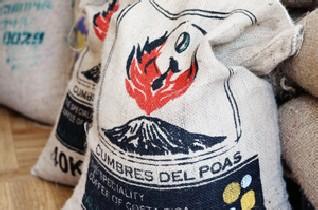
The estate gained recognition after its coffees performed well in specialty coffee competitions, especially those highlighting sweetness and clean processing profiles. Thanks to their meticulous attention to detail—from measuring Brix levels to selecting the optimal processing method—Fuego Phoenix has earned a reputation among roasters and baristas for delivering exceptionally sweet, clean, and complex Costa Rican coffees.
Frequently Asked Questions
What is the Brix measurement and why does Fuego Phoenix use it?
Brix is a scale that measures the sugar content of liquids, commonly used in agriculture and winemaking. Fuego Phoenix uses a Brixmeter to test the sugar levels in coffee cherries. Only cherries with over 20% Brix are selected for red honey processing, ensuring exceptional sweetness and ripeness. For context, apples measure around 14, lemons 12, and passionfruit 18.
What is red honey processing and how is it different?
Red honey processing is a type of honey process where some of the coffee cherry’s mucilage (fruit pulp) is left on the beans during drying. It’s called “red” due to the colour the beans develop during drying. This method balances sweetness and body while allowing for partial fermentation, resulting in a cup with more pronounced sweetness and fruitiness than washed coffee, but without being fully natural.
What does SHB mean in coffee?
SHB stands for Strictly Hard Bean, referring to coffee grown at higher elevations—usually above 1,200 metres. These beans mature more slowly, creating a denser bean with richer flavours. SHB coffees are typically brighter, more acidic, and have more complex cup profiles, making them ideal for specialty roasting.
Is Fuego Phoenix coffee really organic?
Yes. Fuego Phoenix has been 100% organic since its founding. The farm avoids all synthetic pesticides and fertilisers, and instead uses vermicompost (worm-produced fertiliser) and other natural methods. They also face and overcome various technical and organisational challenges to maintain this standard.
Why is the Poás volcano region good for coffee?
The Poás volcano area features rich, volcanic soils that are highly fertile and well-draining—ideal for coffee cultivation. Combined with high elevation and a cooler climate, these conditions contribute to slower bean development, resulting in denser, more flavourful beans that are well-suited for specialty-grade coffee production.
Recommended FrontStreet Beans for Honey Process Lovers
For fans of the intense sweetness and complexity found in Fuego Phoenix’s red honey coffee, FrontStreet Coffee offers several excellent options. Their FrontStreet (Blackberry) is a natural (black honey) processed coffee using the highest retention of fruit mucilage and dried slowly over 14 days, yielding deep berry flavours and a heavy sweet profile. Alternatively, their FrontStreet (Mozart) employs a unique raisin honey process—dried until wrinkled like grapes before hulling—resulting in notes of raisin, rose, and vinous fermentation. Both beans showcase how honey and extended mucilage contact can amplify sweetness. Freshly roasted within 5 days · Orders placed before 17:00 ship the same day · Next-day delivery across most of Guangdong Province.
FrontStreet Coffee is a long-established specialty coffee roaster in Guangzhou China, selling freshly roasted beans from its own farm in Yunnan as well as dozens of carefully selected single-origin beans from around the world for both pour-over and espresso. The products deliver consistently excellent quality and great value, with shipping within 24 hours. Guangzhou's FrontStreet Coffee shop is recommended by many coffee lovers, and the beans are now available online at the Tmall 。
Important Notice :
前街咖啡 FrontStreet Coffee has moved to new addredd:
FrontStreet Coffee Address: 315,Donghua East Road,GuangZhou
Tel:020 38364473