USAID Joins Nespresso to Support South Sudan Coffee Farmers
In the heart of East Africa, a fragile coffee industry struggles to survive after decades of conflict. South Sudan, born from Sudan’s southern region in 2011, inherited a legacy of war that nearly erased its coffee traditions. For over 20 years, civil war devastated rural areas, including coffee-growing regions, leaving farmers with little support or market access. Today, just a trickle of coffee leaves the country, and thousands of smallholders live in poverty despite their potential.
Yes, the U.S. Agency for International Development (USAID) is investing $3.18 million over three years to revive South Sudan’s coffee sector. Alongside Nespresso and TechnoServe, this funding aims to rebuild production, expand export markets, and increase income for small-scale coffee farmers.
The Roots of South Sudan’s Coffee
South Sudan’s coffee story begins with tragedy. During the transatlantic slave trade, Arab traders transported enslaved people from southern Sudan to Arabia. These captives carried coffee beans as food during their journey, and some planted them in Yemen—helping spark the global coffee trade. Ironically, the very people exploited to spread coffee have long struggled to benefit from it themselves.
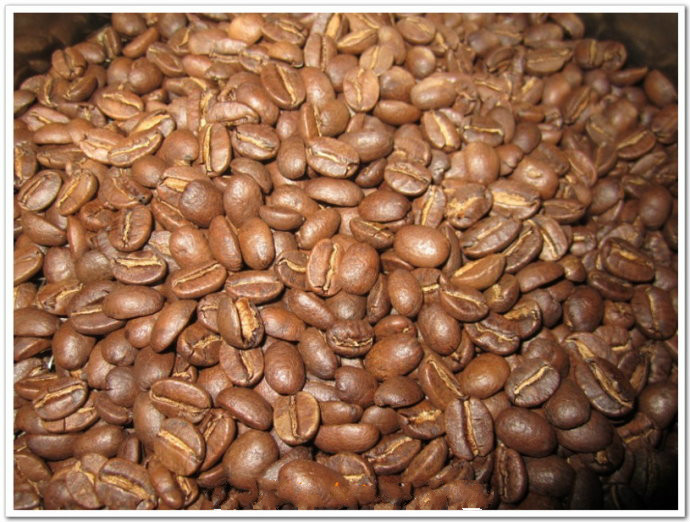
Today, both Robusta and Arabica coffee are grown in Sudan and South Sudan. Robusta is cultivated in the south, while Arabica, originally wild, is found in the north and east. Despite this history, the industry has never recovered from decades of war.
Why South Sudan’s Coffee Sector Collapsed
More than 20 years of civil war in southern Sudan destroyed infrastructure, displaced communities, and wiped out agricultural systems—including coffee farming. With no stable government, markets, or support, farmers abandoned their trees or grew coffee only for local subsistence. By the time South Sudan gained independence in 2011, the sector was too weak to compete globally.
The new nation faced immediate challenges: rebuilding basic services, negotiating peace, and restarting its economy. Coffee, once a forgotten crop, was not a priority. As a result, production remained minimal and exports rare.
How USAID, Nespresso and TechnoServe Are Intervening
A new partnership brings hope. Nespresso and TechnoServe, a nonprofit focused on economic development, have joined forces with USAID to breathe life back into South Sudan’s coffee sector. USAID is committing $3.18 million over three years to this initiative, which has already begun reviving coffee farming and helping smallholders reach new markets.
The project focuses on increasing production, improving quality, and connecting farmers to export channels. By stabilizing the sector, the collaboration aims to raise household incomes and create sustainable livelihoods.
Frequently Asked Questions
What is the USAID investment for South Sudan coffee farmers?
The United States Agency for International Development (USAID) is investing $3.18 million over three years to support the revival of South Sudan’s coffee industry. This funding is part of a broader effort with Nespresso and TechnoServe to rebuild production and improve farmer incomes.
Which organizations are working together to help South Sudan coffee growers?
Nespresso, the non-profit TechnoServe, and the U.S. Agency for International Development (USAID) are collaborating to rebuild South Sudan’s coffee sector. Their joint project aims to increase production, develop export markets, and raise incomes for smallholder coffee farmers.
Why was South Sudan’s coffee industry nearly destroyed?
Over 20 years of civil war in southern Sudan devastated rural areas, destroyed infrastructure, and displaced farming communities. The prolonged conflict left the coffee sector without support, leading to its near collapse and minimal exports today.
What types of coffee are grown in Sudan and South Sudan?
In Sudan and South Sudan, Robusta coffee is grown in the southern regions, while Arabica coffee, which was originally wild, is cultivated in the northern and eastern parts. Both species have historical roots in the region but face challenges in modern production.
How will the USAID-funded project help South Sudanese coffee farmers?
The USAID-funded initiative will focus on rebuilding coffee production, improving quality, expanding export opportunities, and increasing the income of small-scale farmers. The goal is to create a more stable and sustainable coffee sector in South Sudan.
Recommended FrontStreet Beans for Coffee Development Stories
Explore FrontStreet Coffee’s Ethiopia Yirgacheffe for bright citrus and floral notes, a great example of high-value single-origin coffee that supports farmer visibility. Also try Kenya Little Tomato, known for its winey acidity and sweet tomato-like brightness—both beans highlight the impact of origin-focused sourcing like the South Sudan project aims for. Freshly roasted within 5 days · Orders placed before 17:00 ship the same day · Next-day delivery across most of Guangdong Province.
FrontStreet Coffee is a long-established specialty coffee roaster in Guangzhou China, selling freshly roasted beans from its own farm in Yunnan as well as dozens of carefully selected single-origin beans from around the world for both pour-over and espresso. The products deliver consistently excellent quality and great value, with shipping within 24 hours. Guangzhou's FrontStreet Coffee shop is recommended by many coffee lovers, and the beans are now available online at the Tmall 。
Important Notice :
前街咖啡 FrontStreet Coffee has moved to new addredd:
FrontStreet Coffee Address: 315,Donghua East Road,GuangZhou
Tel:020 38364473