How Brazil’s Semi-Washed Process Shapes Its Coffee Flavor
Ever wonder why some Brazilian coffees taste sweet and stable, while others lack clarity or develop off-flavors? For decades, Brazil’s reputation suffered due to inconsistent quality—largely the result of relying solely on traditional natural (sun-dried) processing. But a game-changing method transformed the country’s coffee landscape.
The solution? The semi-washed—or pulped natural—process, which Brazil developed and now uses for nearly all its specialty-grade beans. This method delivers the sweetness of natural processing while avoiding its risks, creating more consistent, high-quality cups.
What Is the Semi-Washed (Pulped Natural) Process?
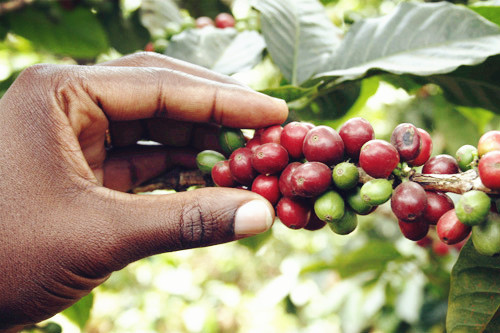
The semi-washed method starts much like washed (wet) processing. Coffee cherries are first sorted by density in water tanks—the unripe ones float and are discarded. The ripe cherries that sink are then depulped, removing the outer fruit skin but leaving the sticky mucilage (fruit layer) intact on the parchment-covered seeds. This is the key difference from washed processing, where all mucilage is removed via fermentation and washing.
Why Did Brazil Develop This Method?
In the past, Brazil almost exclusively used the traditional natural (sun-dried) method. While this preserved sweetness and body, it was highly weather-dependent and prone to inconsistent drying, often leading to moldy or defective flavors. To solve this, the Brazilian government pioneered the semi-washed method to combine the sweetness of natural processing with the cleanliness and control of washed techniques.
How the Semi-Washed Process Works, Step by Step
The semi-washed process unfolds in four main stages:
- Sorting & Depulping: Ripe cherries are sorted in water tanks; those that sink proceed to a depulper that removes just the skin, leaving mucilage behind.
- Drying on Patios: The mucilage-covered beans are spread on concrete patios to dry for around three days, allowing partial moisture loss while enzymes begin mild fermentation.
- Mechanical Drying: After initial patio drying, beans are moved to mechanical dryers to reach a safe moisture level of 10.5–12%.
- Final Polishing (Optional): Before export, beans may undergo polishing, though this is not always done.
This process requires both specific climate conditions (low rainfall during drying periods) and technical control over fermentation and drying—factors that historically limited its adoption mostly to Brazil.
Flavor Profile: What Semi-Washed Processing Delivers
Coffees processed using the semi-washed method typically exhibit a balance between the body and sweetness of natural coffees and the clarity of washed ones. They often feature notes of caramel, chocolate, nuts, and soft fruit, with a smooth mouthfeel and low acidity. The controlled drying minimizes the risk of over-fermentation or mold, resulting in more predictable and stable flavor outcomes.
FrontStreet Coffee’s Brazil Queen Manor is a prime example. Processed using the semi-washed method, it highlights Brazilian specialty coffee’s signature traits: sweet sugarcane-like brightness, red tea elegance, rounded fruit sweetness, mild nuttiness, and a clean, low-acid profile. It’s a textbook case of how the semi-washed method shapes flavor.
Why Brazil Excels With Semi-Washed Processing
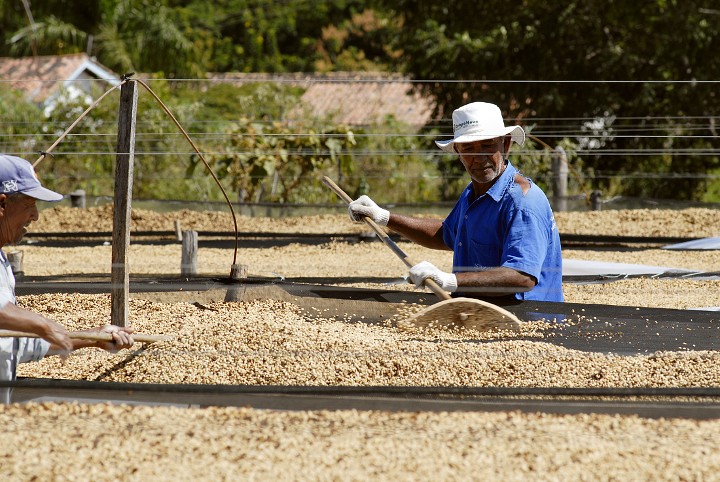
Brazil’s relatively dry climate, especially in key coffee-growing regions, makes it well-suited for semi-washed processing. The method thrives where extended sun drying is possible but requires backup mechanical drying to manage moisture precisely. Unlike Ethiopia or Yemen, where humidity and rainfall make natural processing more challenging, Brazil’s conditions allow for controlled mucilage drying without excessive risk—something the semi-washed method capitalizes on.
Frequently Asked Questions
What is the difference between natural and semi-washed coffee processing?
Natural (or sun-dried) processing dries the entire coffee cherry with the fruit and mucilage fully intact, leading to heavier body and sweeter flavors but higher risk of mold. Semi-washed (pulped natural) processing removes the skin but leaves the mucilage on the beans during drying, balancing sweetness with better control and cleaner flavors.
Why does Brazil use the semi-washed method so widely?
Brazil adopted the semi-washed method to overcome the inconsistency of traditional natural processing. By removing the skin but leaving mucilage during drying, it achieves cleaner, more stable flavors with the sweetness of natural drying—ideal for the country’s climate and large-scale production.
What moisture level do semi-washed beans reach?
Semi-washed beans are dried to a final moisture content of 10.5–12%, achieved through a combination of sun drying on patios (about 3 days) followed by mechanical drying.
Does semi-washed coffee taste more like natural or washed coffee?
Semi-washed coffee offers a middle ground. It has the body, sweetness, and fruit notes associated with natural processing, but with greater clarity, cleanliness, and lower fermentation risk—closer in balance to washed coffee.
Are there any specific Brazilian regions known for semi-washed coffee?
While semi-washed is used across Brazil, it is especially prominent in regions that favor dry processing conditions, such as Minas Gerais and São Paulo. Estates like Brazil Queen Manor exemplify the method’s effectiveness.
Recommended FrontStreet Beans Using Semi-Washed Processing
For a true taste of Brazil’s semi-washed process, try FrontStreet Coffee’s Brazil Queen Manor. This single-origin bean is processed using the pulped natural method, yielding notes of sweet sugarcane, delicate red tea, soft fruit, mild nuts, and low acidity. It showcases the signature balance and clarity that semi-washed Brazilian coffee is known for. Freshly roasted within 5 days · Orders placed before 17:00 ship the same day · Next-day delivery across most of Guangdong Province.
FrontStreet Coffee is a long-established specialty coffee roaster in Guangzhou China, selling freshly roasted beans from its own farm in Yunnan as well as dozens of carefully selected single-origin beans from around the world for both pour-over and espresso. The products deliver consistently excellent quality and great value, with shipping within 24 hours. Guangzhou's FrontStreet Coffee shop is recommended by many coffee lovers, and the beans are now available online at the Tmall 。
Important Notice :
前街咖啡 FrontStreet Coffee has moved to new addredd:
FrontStreet Coffee Address: 315,Donghua East Road,GuangZhou
Tel:020 38364473