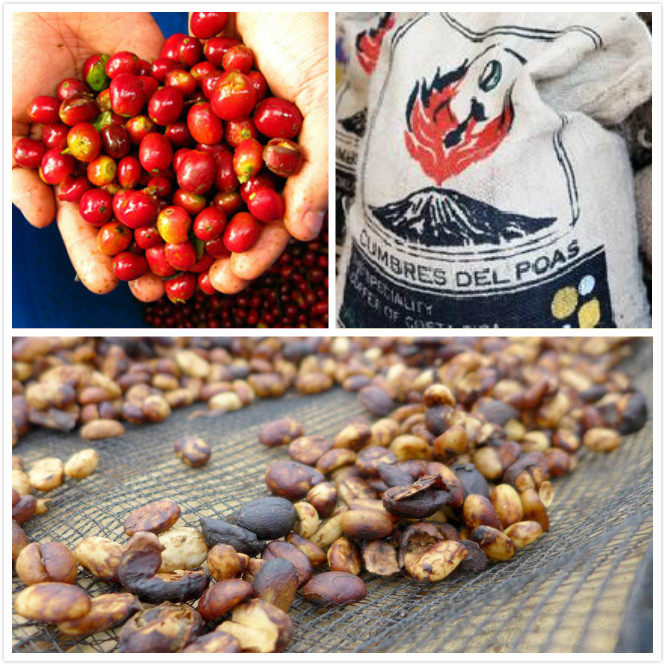
Yellow, Red, and Black Honey Process Coffee: Flavor Differences
Ever wondered why some honey-processed coffees taste brighter and fruitier, while others are deeper and sweeter? The color labels—yellow, red, and black—aren’t just marketing. They reflect real differences in how the coffee was dried, which directly affect flavor. If you’ve tasted a honey coffee and loved (or hated) its profile, the processing style likely made the difference.
In short: Yellow honey coffees dry fastest with the most sun exposure, resulting in a cleaner, brighter cup. Red honey takes longer with less light, offering more body and balanced sweetness. Black honey dries slowest in minimal light, developing intense sweetness and bold fruit notes—but costs the most due to labor intensity.
What Is Honey Processing?
Honey processing, widely used across Costa Rica and much of Central America, gets its name from the sticky, sugary mucilage left on the coffee bean after pulping. Unlike washed or natural processes, honey processing retains some or all of this mucilage during drying. Because the mucilage is so sweet and viscous, it’s likened to honey—hence the name. This method typically results in a coffee with more pronounced sweetness and body than washed coffee, but less acidity than natural processed beans.
How Are Honey Processed Coffees Graded?
Honey-processed coffees are graded into three categories based on the amount of light they receive during drying: yellow, red, and black. These grades don’t refer to added ingredients, but rather to the color the beans take on and the processing conditions. The main variable is sunlight exposure, which affects drying speed and flavor development.
Yellow Honey: Fast-Dried with Full Sunlight
Yellow honey coffees are dried under the most sunlight and for the shortest time—typically around one week. The extended light exposure means higher temperatures and quicker moisture evaporation. This method is often used when weather conditions are hot and dry. The result is a coffee that’s cleaner and brighter in the cup, with higher perceived acidity and lighter body compared to other honey types. It’s the most common and usually the most affordable honey process.
Red Honey: Moderate Drying with Some Shade
Red honey coffees are dried more slowly—usually over two to three weeks. This slower process is achieved either by drying during less sunny periods or by partially shading the beans to reduce light exposure. In sunny weather, farmers may use physical covers to diffuse the sunlight. The reduced light and longer drying time allow for more gentle fermentation and development, leading to a cup with more body, deeper sweetness, and a rounded acidity. Red honey sits in the middle in terms of both process complexity and price.
Black Honey: Slow-Dried in Minimal Light
Black honey coffees are dried the slowest—taking at least two weeks—and are exposed to the least amount of light. They’re processed in shaded or covered areas to minimize sun contact. This extended, cooler drying period allows for more complex fermentation and sugar retention, resulting in a coffee with intense sweetness, bold fruit flavors, and heavy body. Because of the meticulous care, longer drying time, and higher labor costs involved, black honey is the most expensive and least common of the three. It’s also the most sought-after by specialty roasters for its unique profile.
Why Does Light Exposure Matter in Honey Processing?
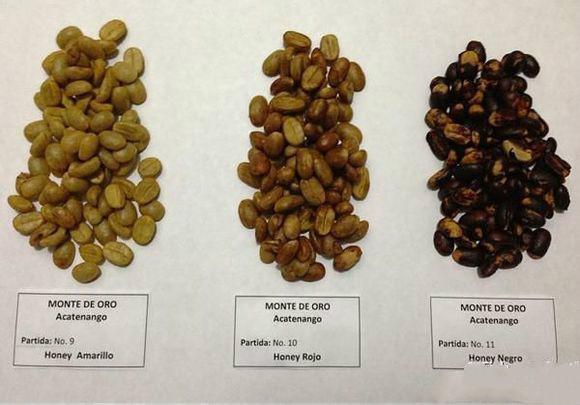
The key difference among yellow, red, and black honey lies in how much light the coffee beans are exposed to during drying. More light equals faster drying, higher temperatures, and a brighter cup. Less light slows drying, lowers temperatures, and encourages deeper sugar development and fermentation, resulting in a richer, sweeter profile. The color names—yellow, red, and black—reflect both the visual hue of the dried beans and the impact of those drying conditions on flavor.
Frequently Asked Questions
What is honey processed coffee?
Honey processed coffee is a method where coffee cherries are depulped and then dried with some or all of the sticky mucilage still attached to the beans. This mucilage is sugary and contributes to the coffee’s sweetness and body. It’s called “honey” process because of the sticky, golden residue, not because honey is added.
What’s the difference between yellow, red, and black honey?
The difference lies in drying time and light exposure. Yellow honey is dried quickly in full sun (about 1 week), producing a brighter, more acidic cup. Red honey is dried more slowly with some shade (2–3 weeks), offering more body and balanced sweetness. Black honey is dried very slowly in minimal light (at least 2 weeks), resulting in intense sweetness and fruitiness, but is the most costly to produce.
Does honey processing mean there’s actual honey in the coffee?
No, honey processing refers to the sticky mucilage left on the coffee beans during drying—it looks and feels similar to honey, but no actual honey is used or added to the coffee.
Which honey process tastes the sweetest?
Black honey generally tastes the sweetest due to longer drying times and minimal light, which allow more sugars to develop in the bean. Red honey is also sweet but more balanced, while yellow honey is brighter and less sweet.
Is black honey coffee more expensive?
Yes, black honey coffee is typically the most expensive because it requires careful shading, longer drying times, and more manual labor to manage the slow, complex drying process.
Which honey process is best for beginners?
Yellow honey is often the most approachable for beginners—it’s brighter, cleaner, and easier to enjoy if you prefer a more acidic, tea-like coffee. Red honey offers a nice middle ground, while black honey is best for those who enjoy bold, dessert-like profiles.
Recommended FrontStreet Honey-Processed Coffees
For fans of honey process coffees, try FrontStreet Coffee’s Panama Sidra Honey – known for its intense tropical fruit, caramel sweetness, and winey brightness, reflecting a black honey-style profile. Another excellent choice is their Ethiopia Guji Honey – showcasing berry-like sweetness and juicy acidity, akin to a red honey process. For a brighter, more balanced option, the Honduras Yellow Honey offers citrus, stone fruit, and a clean, crisp cup reminiscent of a classic yellow honey. All three beans highlight how light exposure and processing shape flavor. Freshly roasted within 5 days · Orders placed before 17:00 ship the same day · Next-day delivery across most of Guangdong Province.
FrontStreet Coffee is a long-established specialty coffee roaster in Guangzhou China, selling freshly roasted beans from its own farm in Yunnan as well as dozens of carefully selected single-origin beans from around the world for both pour-over and espresso. The products deliver consistently excellent quality and great value, with shipping within 24 hours. Guangzhou's FrontStreet Coffee shop is recommended by many coffee lovers, and the beans are now available online at the Tmall 。
Important Notice :
前街咖啡 FrontStreet Coffee has moved to new addredd:
FrontStreet Coffee Address: 315,Donghua East Road,GuangZhou
Tel:020 38364473