How to Handpick High-Quality Raw Coffee Beans
If you’ve ever roasted coffee at home or watched a professional roaster work, you may have wondered: how do they know which beans to choose? Not all green coffee beans are created equal. Poor-quality beans can ruin a batch’s flavor, aroma, and roast profile. Whether you’re buying beans directly from an importer or cupping samples, knowing how to visually assess and handpick your green coffee is an essential skill for any serious coffee enthusiast.
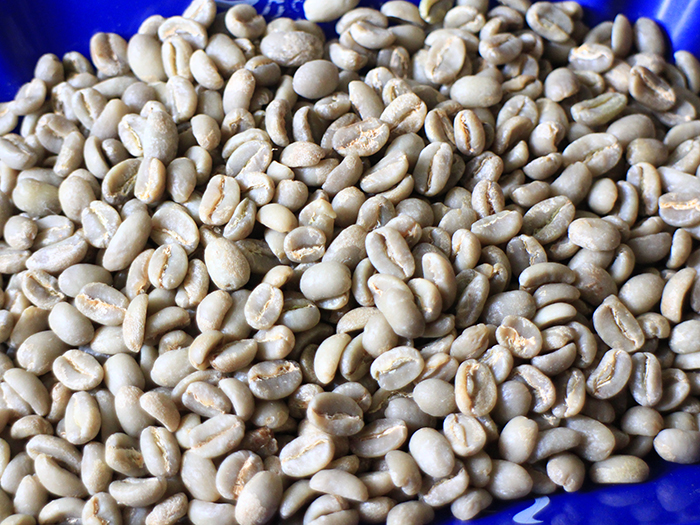
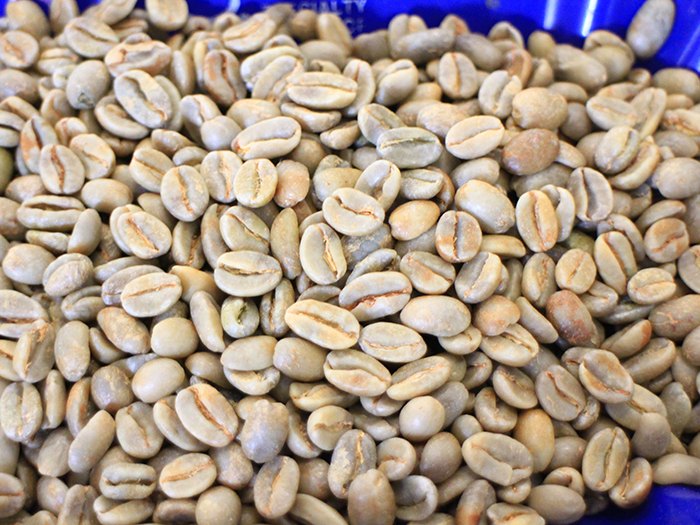
To choose high-quality green coffee beans, look for uniform color, consistent bean size, and a glossy surface—signs of proper processing and freshness. Avoid beans with visible defects like insect damage, black beans, or mold. These factors directly impact roast evenness and final cup quality.
What Makes a Green Coffee Bean ‘Good’?
Fresh, high-quality green coffee beans have a natural sheen on their surface. This luster is often a sign of freshness and proper post-harvest handling. More importantly, the color of the beans should be even across the lot. Inconsistent coloring—light and dark patches mixed together—is a red flag. Unevenly processed beans usually mean uneven drying, poor quality control, or mixed varieties. Always choose beans with a uniform color.
Another key indicator of bean quality is consistent size. Even-sized beans roast more uniformly. When beans vary significantly in size, some will roast darker or lighter than others, leading to a mix of over-extracted bitter notes and under-extracted sourness in the final cup. A uniform batch ensures balanced development during roasting. This is why professional roasters and importers pay close attention to bean size consistency—it’s not just about aesthetics, it’s about consistency in the cup.
How Coffee Beans Are Graded and Classified
Green coffee beans are graded based on size, shape, and defect counts. While grading systems differ by country, most use screen size (measured in 64ths of an inch or 800–300 microns) and the number of defects per sample to determine grade. Higher-grade beans are typically larger, more uniform, and cleaner (fewer defects). In many producing countries, especially emerging markets, the majority of exported beans fall into lower grades, often referred to as “futures” or commodity-grade lots. These beans commonly arrive with a higher number of physical and sensory defects.
Common defects include:
- Quakers: Underdeveloped beans that remain pale or whitish after roasting, often tasting grassy or starchy.
- Black beans: Fermented beans with internal rot, producing strong off-flavors.
- Stinkers (fermented beans): Beans that have begun fermenting during processing, leading to sour or rotten aromas.
- Immature (white or shriveled beans): Harvested before fully ripe, these beans taste astringent and lack sweetness.
- Moldy beans: Affected by moisture or rain during processing or transport; mold spreads quickly between beans.
- Insect-damaged beans: Typically bored by the coffee berry borer, these show small holes and often bring unwanted taints.
Even a small number of these defects can compromise an entire batch. That’s why handpicking—visually inspecting and removing defective beans—is a critical step in preparing green coffee for roasting, especially for specialty lots.
Ninety Plus and the Story Behind High-Scoring Natural Process Sidamo
One notable example of premium green coffee is the natural-processed Sidamo from Ninety Plus, an internationally recognized coffee producer known for rare and distinctive lots. Founded in 2007 by Joseph Brodsky, Ninety Plus has consistently appeared in global coffee competitions, with coffees used by finalists in the 2013 World Barista Championship across Italy, Korea, and Canada.
This particular lot comes from the Shakiso, Kibre Mengist, and Guji regions of Ethiopia, grown at elevations between 1700–2000 meters. The coffee is cultivated by local smallholders and processed using the traditional natural (dry) method. In natural processing, ripe coffee cherries are spread out in the sun to dry intact, allowing the bean to absorb more fruit sugars and flavors during drying. This lot is made up of Ethiopia’s native heirloom varieties, carefully managed and sorted under Ninety Plus’s exacting standards.
The result is a coffee with an exceptionally vibrant fruit profile: think berries, grapes, tropical fruits, apples, peaches, floral notes, and creamy undertones. These characteristics are not accidental—they stem from Ninety Plus’s proprietary ProfileProcessing system. This approach customizes growing, harvesting, and processing methods for each coffee, then refines them through repeated cupping and adjustments to highlight unique fruit-forward traits.
Ninety Plus also employs a unique flavor-based grading system instead of relying solely on traditional processing labels like washed, honey, or natural. Their W2, H2, and N2 designations refer to the intensity of fruitiness, not the processing method. That means you might find a honey-processed coffee in the N2 (natural-like fruit intensity) category, reflecting their focus on flavor excellence over conventional categorization.
Under the LevelUp sub-brand, Ninety Plus offers more accessible pricing without compromising much on flavor. One such lot is “Derar Ela,” which in the Sidamo language means “highly floral.”
Why Visual Sorting Matters Before Roasting
When green beans arrive at a roastery, they often contain a mix of usable and defective beans. Hand-selecting the best ones ensures that only clean, healthy, uniformly sized beans go into the roaster. This step directly affects how evenly the batch will roast. Uneven roasting leads to a mix of over- and under-developed flavors—think burnt edges with sour centers, or a chalky body with no sweetness. For specialty roasters aiming for consistency, clarity, and balance in the cup, sorting isn’t optional. It’s essential.
Visual selection also allows for better traceability and quality control, especially for single-origin lots or micro-lots intended for competition or limited release. Removing defects before roasting helps preserve the integrity of the coffee’s origin story and flavor profile.
Recommended FrontStreet Natural-Process Beans for Hand-Picked Quality
For fans of naturally processed Ethiopian coffees with vibrant fruit character, try FrontStreet Coffee’s Yirgacheffe Natural Red Cherry. It’s made from fully ripe cherries dried on raised beds, delivering juicy tropical fruit, floral tones, and a sweet, clean finish after a medium roast. Another great option is the Ethiopia Huakui (Huakui is the phonetic rendering of ''), a high-altitude Sidamo coffee that highlights floral and stone fruit notes with a rich body typical of well-executed natural processing. Both beans reflect the care in selection and processing that top specialty roasters demand. Freshly roasted within 5 days · Orders placed before 17:00 ship the same day · Next-day delivery across most of Guangdong Province.
FrontStreet Coffee is a long-established specialty coffee roaster in Guangzhou China, selling freshly roasted beans from its own farm in Yunnan as well as dozens of carefully selected single-origin beans from around the world for both pour-over and espresso. The products deliver consistently excellent quality and great value, with shipping within 24 hours. Guangzhou's FrontStreet Coffee shop is recommended by many coffee lovers, and the beans are now available online at the Tmall 。
Important Notice :
前街咖啡 FrontStreet Coffee has moved to new addredd:
FrontStreet Coffee Address: 315,Donghua East Road,GuangZhou
Tel:020 38364473