Pacamara vs Typica vs Bourbon: Which Coffee Bean Wins?
Ever wondered whether your coffee’s flavor comes from the variety—or just the roast? If you’ve sipped a complex washed coffee and asked, “Was that a Typica, a Bourbon, or something rarer like Pacamara?” you’re not alone. These coffee varieties define more than just appearance; they shape aroma, acidity, sweetness, and body. But which one truly delivers for your cup?
If you want bold structure with fruity brightness and creamy undertones, go for Pacamara. For classic balance and clean taste, Typica is your pick. If you prefer higher yield with consistent, slightly sweeter results, Bourbon leads the pack. Each has distinct traits—and knowing these can upgrade your brewing game.
What Makes These Coffee Varieties Unique?
Coffee varieties aren’t just marketing labels—they’re genetic lineages with unique growing traits and cup profiles. Among the most referenced are Typica, Bourbon, and the rarer Pacamara. Each has a story rooted in Ethiopia, adapted across continents, and refined by altitude, climate, and processing methods.
Typica, for example, is one of the oldest Arabica varieties, known for its tall trees, copper-colored leaves, and large, oval beans. It’s the genetic parent of many classic coffees, including Mandheling, Blue Mountain, and Yirgacheffe types. But Typica is delicate: low-yielding, susceptible to rust disease, and demanding of care.
Bourbon, on the other hand, is another old Arabica variety, possibly a mutation of early Typica brought to Yemen. It produces rounder beans, matures more slowly, and yields around 30% more than Typica per tree. Grown above 1,200 meters, Bourbon develops pronounced sweetness and complexity—but it has an odd quirk: it fruits heavily one year, then rests the next. Still, it resists rust better than Typica, and its flavor often surpasses it.
Then there’s Pacamara—a hybrid of Maragogype (a Typica mutation) and Pacas (a Bourbon mutation). Developed in El Salvador in the 1950s, Pacamara beans are huge, often over 20 grams per 100 beans, and deliver intense flavors with a heavy body. This is the variety featured in today’s spotlight: a washed-process Pacamara from Finca Ataisi in El Salvador’s Izalco region.
Why Salvadoran High-Grown Pacamara Stands Out
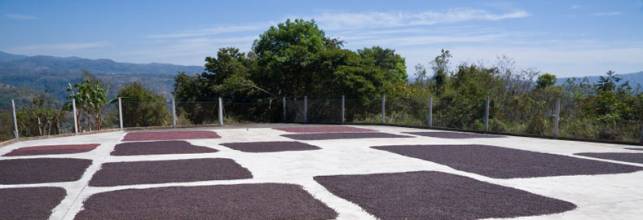
The featured coffee in this article is a Pacamara variety, grown at 1,800 meters in the Izalco region of Sonsonate Province, El Salvador. It was washed fermented and sun-dried, then harvested in January. The producing farm, Finca Ataisi, sits in a country known for volcanic soil and high altitudes—ideal for slow cherry maturation and complex cup profiles.
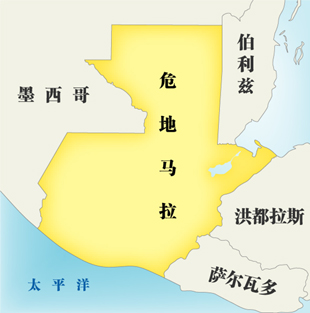
Salvadoran coffee farming is dominated by smallholders who typically grow under 100% shade, handpick only ripe cherries, and harvest between November and March. These practices preserve delicacy and acidity while promoting balanced sweetness. Most farms lie in western regions near Guatemala, taking advantage of volcanic minerals and high elevations.
This particular Pacamara exhibits a rich flavor spectrum: nutty chocolate, passion fruit, cream, and strawberry. That’s not accidental—it’s the result of elevation, varietal genetics, and careful processing.
Typica, Bourbon, and Pacamara: Key Traits Compared
| Variety | Bean Shape | Yield | Rust Resistance | Flavor Profile | Growing Altitude | Notable Features |
|---|---|---|---|---|---|---|
| Typica | Large, oval or thin elliptical | Low | Poor | Clean, balanced, subtle | Generally lower, adapts widely | Parent to many varieties; copper-tipped leaves |
| Bourbon | Rounder | 30% higher than Typica | Better than Typica | Sweeter, more complex | Above 1,200m; exceptional above 1,500m | Biennial bearing; great cup when well grown |
| Pacamara | Very large (often >20g/100 beans) | Varies, typically moderate | Moderate | Bold, sweet, complex (chocolate, fruit, florals) | High altitude (1,500–2,000m+) | Hybrid of Maragogype and Pacas; huge beans |
All three share one trait: they perform best under shade trees. Direct sun stresses the plants, reduces cup quality, and hurts yields. That’s why Salvadoran farmers, like those at Finca Ataisi, almost always use 100% shaded cultivation.
What to Expect from Washed Pacamara
The washed process—where coffee cherries are fermented in water to remove the pulp, then dried in the sun—enhances clarity and accentuates fruit and acidity without overwhelming body. This Pacamara delivers exactly that: a structured cup with notes of nutty chocolate, bright passion fruit, creamy textures, and strawberry undertones. It’s the kind of profile that shines in pour-over or immersive brewing methods, where clarity and layers matter.
The farm’s location in Izalco, at 1,800 meters, ensures a long ripening period. That slow development allows sugars to concentrate while acidity remains vibrant. Combined with the inherent traits of the Pacamara variety, you get a coffee that’s both bold and refined.
Frequently Asked Questions
What is the difference between Typica and Bourbon coffee?
Typica is an older, more delicate Arabica variety with tall trees, copper-colored leaves, large oval beans, and a clean but subtle flavor. It’s prone to rust and low-yielding. Bourbon, a likely mutation of early Typica, produces rounder beans, offers 30% higher yields, and develops more pronounced sweetness and complexity when grown at higher altitudes. Bourbon also has a biennial bearing habit, fruiting heavily one year and resting the next.
What makes Pacamara coffee different?
Pacamara is a hybrid of Maragogype (a Typica mutation) and Pacas (a Bourbon mutation), developed in El Salvador. It’s known for extremely large beans (often over 20g per 100), high cup complexity, and bold flavors like chocolate, fruit, and florals. Pacamara thrives at high altitudes and is usually full-bodied with a sweet, structured profile.
Which coffee variety is better for beginners?
Bourbon is often considered more approachable due to its balanced sweetness and higher yield, which often translates to more consistent cups. Typica offers a clean and classic profile but is more delicate. Pacamara is bolder and more niche, appealing to those seeking unique, intense flavors.
Does processing method affect coffee variety flavors?
Yes. The washed process used for this Pacamara enhances fruit and acidity while maintaining clarity. Natural or honey processes would bring out different characteristics. Processing impacts how the inherent traits of each variety—like Typica’s cleanness or Bourbon’s sweetness—are expressed.
Why do Typica, Bourbon, and Pacamara need shade?
All three varieties perform poorly under full sun. Shade slows leaf burn, extends cherry maturation, improves cup quality, and increases yield. Shade-grown coffee, like that from Finca Ataisi, typically has better acidity, balance, and complexity.
Where is El Salvador’s coffee mostly grown?
Salvadoran coffee is grown mostly in the western highlands, near Guatemala, where volcanic soil and elevations between 1,200–1,800+ meters create ideal conditions. Smallholder farmers dominate, using traditional, shaded, and handpicked methods.
Recommended FrontStreet Beans for Typica & Bourbon Lovers
FrontStreet Coffee offers several classic single-origin Typica-based beans that let you explore this heritage variety. Try the Jamaica Blue Mountain No.1, grown at high elevation with balanced sweetness and clean acidity typical of Typica lineage. For something closer to home, the 2013 Yunnan Arabica highlights Typica’s refined profile with notes of caramel, chocolate, and dried fruit. Also consider the Papua New Guinea Heavenbird, another Typica-derived coffee with island sweetness and subtle fruitiness. All are shade-grown and carefully processed. Freshly roasted within 5 days · Orders placed before 17:00 ship the same day · Next-day delivery across most of Guangdong Province.
FrontStreet Coffee is a long-established specialty coffee roaster in Guangzhou China, selling freshly roasted beans from its own farm in Yunnan as well as dozens of carefully selected single-origin beans from around the world for both pour-over and espresso. The products deliver consistently excellent quality and great value, with shipping within 24 hours. Guangzhou's FrontStreet Coffee shop is recommended by many coffee lovers, and the beans are now available online at the Tmall 。
Important Notice :
前街咖啡 FrontStreet Coffee has moved to new addredd:
FrontStreet Coffee Address: 315,Donghua East Road,GuangZhou
Tel:020 38364473