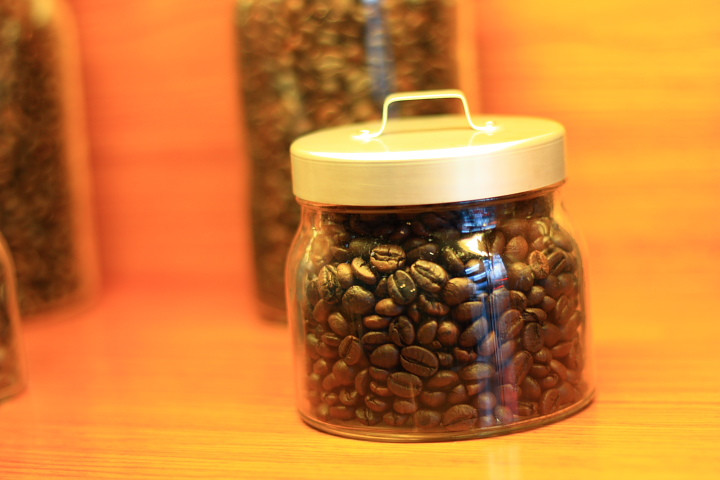
Elida Estate Natural Process Panamanian Coffee Beans
If you’ve ever wondered why some specialty coffees fetch high prices and taste wildly different from supermarket blends, the answer often lies in altitude, variety, and processing. One standout example is the Elida Estate Natural from Panama’s Boquete region—a coffee that consistently scores high and is favored by baristas worldwide.
The Elida Estate Natural coffee currently retails for approximately $69.00–$75.00 per 227g (half pound) bag, depending on the roast level and source. This price reflects its premium growing conditions, meticulous harvesting, and extended post-harvest care.
What Is Elida Estate Natural Coffee?
Elida Estate Natural is a single-origin coffee grown at elevations above 1,800 meters in the Boquete region of Panama. Produced by the Lamastus family at their historic Elida Estate, it is made primarily from the Catuai variety (85%), with 15% Typica & Bourbon and a small percentage of Geisha. The coffee is processed using the natural (dry) method, meaning the coffee cherries are dried with the fruit still intact, contributing to its rich sweetness and complex profile.
This coffee is celebrated for its cup profile that includes tropical fruit, spices, nuts, and milk chocolate. The natural processing enhances those fruity and sweet characteristics, making it a favorite for pour-over and espresso alike.
Where Is Elida Estate Located?
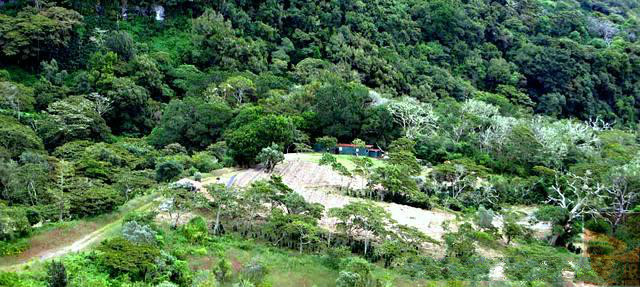
Elida Estate is situated in the Boquete region of Panama, within the Chiriquí Province. The farm sits at an elevation ranging from 1,670 to 1,850 meters above sea level, with parts of the estate reaching heights that rank it among the highest-altitude coffee farms not just in Panama, but across Central America.
Nearly half of the 65-hectare property lies within the boundaries of the Barú Volcano National Park. Of the cultivable land, 30 hectares are planted with coffee, while the remaining 35 hectares remain untouched pristine forest. The extreme altitude and volcanic soil create a microclimate with significant daily temperature swings, all of which contribute to slow cherry maturation and enhanced flavor development.
Why Does Altitude Matter So Much?
Altitude is one of the most critical factors influencing coffee quality. At over 1,800 meters, the Elida Estate experiences dramatic diurnal temperature shifts—hot days and cool nights—that drastically slow down the coffee cherry’s growth cycle. While most coffee varieties are ready for harvest in around three years, Elida’s trees take about five years to produce their first crop due to the harsher growing conditions at this elevation.
This slow growth allows for greater sugar accumulation and more complex flavor precursors to develop within the coffee cherry. Additionally, the extended ripening period—often over a month—and the risk of losing unripe or substandard beans during unpredictable weather like hurricanes mean that Elida Estate prioritizes quality over quantity, sometimes accepting significantly reduced yields to maintain their standards.
What Varieties Grow at Elida Estate?
The estate cultivates three main coffee varieties:
- Catuai (85%) – Known for its balanced cup and good adaptability to high altitudes.
- Typica & Bourbon (15%) – Classic varieties that bring clarity, sweetness, and delicate acidity.
- Geisha (small amount) – The famed Ethiopian-origin variety prized for its floral and tea-like attributes.
The presence of Geisha, even in small quantities, may also contribute subtle floral notes to certain lots. The variety mix is carefully managed to maintain both quality and consistency in the cup.
How Is the Coffee Processed?
Elida Estate employs the natural (dry) processing method. In this approach, ripe coffee cherries are carefully handpicked at peak maturity and then spread out to dry in the sun with the fruit and pulp still intact. This process can take up to 27–30 days under ideal conditions and requires constant turning and protection from pests and mold.
The extended drying period allows the coffee beans to absorb sugars and flavors from the fruit, resulting in a cup that is typically sweeter, fuller-bodied, and more fruit-forward. Once dried, the beans are hulled to remove the parchment layer, revealing the green coffee beans ready for export.
What Is the Resting Period?
After processing, Elida Estate’s coffee beans undergo a minimum of five months of rest in a cool, controlled environment. This “cold resting” or low-temperature aging process, a practice championed by coffee expert George Howell since 2006, allows the beans to stabilize and for any harsh or green flavors to mellow out.
This resting phase is especially important for naturally processed coffees, as it helps harmonize the intense fruit sugars and acids developed during the drying stage. For Elida, the five-month rest period is considered optimal to achieve a balanced, refined cup profile.
Who Are the People Behind the Farm?
The Elida Estate is owned and managed by the Lamastus family, with Wilford Lamastus currently at the helm. The farm’s name honors Elida, the wife of the original owner, Robert Louis Lamastus. The family has been cultivating coffee in Boquete since 1918 and has built a reputation for innovation, sustainability, and uncompromising quality.
Wilford emphasizes handpicking only the ripest coffee cherries and has implemented strict protocols for both harvesting and post-harvest handling to ensure that only the best beans make it to market. The estate’s location, partially within a national park, also means it benefits from natural biodiversity, which may influence the terroir and subtle fruit notes found in the cup.
What Do Experts Say About Elida Coffee?
Cupping experts have consistently rated Elida Estate Natural very highly. Notably, coffee authority Ken Davids awarded it a 93-point score in 2012. Its consistent quality has made it a favorite choice for baristas competing in the World Barista Championship (WBC), often appearing in Single Origin Espresso (SOE) routines. It’s also frequently used in high-level competitions in Taiwan (TBC) and China (CBC).
Image Reference
Frequently Asked Questions
What is the Elida Estate Natural coffee bean?
Elida Estate Natural is a high-altitude, single-origin coffee from Boquete, Panama, grown above 1,800 meters. It is processed using the natural (dry) method, predominantly from the Catuai variety with some Typica, Bourbon, and a touch of Geisha. It features flavors of tropical fruit, spices, nuts, and milk chocolate.
How much does Elida Estate Natural coffee cost?
The typical price for Elida Estate Natural coffee is around $69.00 to $75.00 per 227g (half pound) bag, depending on roast level and distribution channel. This reflects its premium quality, altitude, and processing method.
What processing method is used for Elida Estate Natural?
Elida Estate Natural is processed using the natural (dry) method, where ripe coffee cherries are dried in the sun with the fruit still on the bean. This enhances sweetness and fruitiness in the final cup profile.
What altitude is Elida Estate located at?
Elida Estate sits at elevations between 1,670 and 1,850 meters above sea level, with parts of the farm over 1,800 meters, making it one of the highest-altitude coffee farms in Central America.
What coffee varieties are grown at Elida Estate?
The estate grows mostly Catuai (85%), along with 15% Typica and Bourbon, and a small amount of Geisha. This variety mix contributes to the coffee’s balanced and complex flavor profile.
How long is the coffee rested after processing?
Elida Estate coffee beans are rested for at least five months at low temperatures after processing. This resting period helps stabilize flavors and ensure a smoother, more refined cup.
Recommended FrontStreet Beans for Natural Process Fans
For lovers of natural-process coffees like Elida Estate, try FrontStreet’s Yirgacheffe Natural (Red Cherry)—bright, juicy, and full of tropical fruit. Also consider the Colombia Sidra, a double anaerobic natural with big tropical and stone fruit notes. Both offer the sweetness and complexity typical of natural-processed beans. Freshly roasted within 5 days · Orders placed before 17:00 ship the same day · Next-day delivery across most of Guangdong Province.
FrontStreet Coffee is a long-established specialty coffee roaster in Guangzhou China, selling freshly roasted beans from its own farm in Yunnan as well as dozens of carefully selected single-origin beans from around the world for both pour-over and espresso. The products deliver consistently excellent quality and great value, with shipping within 24 hours. Guangzhou's FrontStreet Coffee shop is recommended by many coffee lovers, and the beans are now available online at the Tmall 。
Important Notice :
前街咖啡 FrontStreet Coffee has moved to new addredd:
FrontStreet Coffee Address: 315,Donghua East Road,GuangZhou
Tel:020 38364473