Panama vs. Guatemala Geisha Coffee Beans: What's the Difference?
Ever wondered what makes Panamanian Geisha coffee from Hacienda La Esmeralda so different from Guatemalan Geisha—not just in price, but in growing conditions, taste, and even certifications? If you've tasted a bright, floral Geisha and want to know where it really comes from and why some cost over $100 per pound, this guide breaks it down with exact numbers and farm details.
Panama’s La Esmeralda Geisha (grown at 1450m, SHB grade, fine-washed, Rainforest Alliance certified) differs from Guatemalan Geisha in elevation, processing method, and taste profile—typically offering more intense stone fruit, honey, and floral notes due to volcanic soil and cooler high-altitude conditions.
La Esmeralda Geisha: The Benchmark
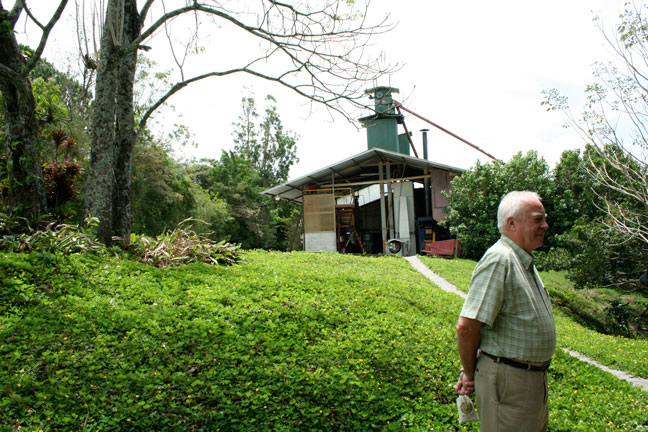
Panama’s most famous Geisha hails from Hacienda La Esmeralda, located on the slopes of Volcán Barú, Panama’s highest peak. The estate sits near the Jaramillo district by the Río Caldera river, with later expansions to higher plots in Cañas Verdes. Originally purchased by Swedish-American banker Rudolph A. Peterson as a vacation retreat, the farm became globally significant under his son Price Peterson’s management. The farm introduced Geisha to the world through standout cupping performances and record-breaking auction prices: $21/lb (2004), $50.25/lb (2006), and $130/lb (2007).
The specific Geisha lot referenced here is grown at 1450 meters above sea level, classified as SHB (Strictly Hard Bean), and processed using a refined washed (pulped natural-style) method. It holds Rainforest Alliance (Green Rainforest) certification. This bean is typically roasted to a light or City- roast level, highlighting its vibrant profile.
Flavor Profile: What Makes This Geisha Stand Out?
Expect a bright, layered cup: leading notes of oolong tea, peach, and honey unfold into a juicy, sweet body. The acidity is crisp on entry—especially noticeable when hot—with a smooth, rounded mouthfeel. As it cools, the acidity becomes more delicate, and the fruitiness lingers with a clean tea-like aftertaste. The overall impression is that of a fruit-infused herbal tea with pronounced sweetness and exceptional clarity. Lower serving temperatures enhance the subtle acid nuances. The finish is persistent, satisfying, and distinctly refreshing.
This flavor complexity is supported by the farm’s strict lot separation by altitude, microclimate, and processing. La Esmeralda further markets its top coffees under differentiated brands: Esmeralda Special, Diamond Mountain Grow, and Palmyra. The latter is mostly Catuai variety, grown at lower altitudes near Barú Park, and carries Rainforest Alliance certification. It represents around 70% of the estate’s output and delivers a more muted, nutty-chocolate profile without the explosive florals of Geisha.
What About Guatemalan Geisha?
While not detailed in the original text, Guatemalan Geisha beans are also grown at high elevations—often between 1500–2000m—in regions like Antigua, Huehuetenango, or Atitlán. These coffees typically undergo either washed or honey processes and may feature similar floral and stone fruit traits, but often express more chocolatey or spicy undertones due to different soil compositions and climate. Altitude and processing largely dictate whether the cup leans more toward the syrupy body of Central America or the tea-like brightness associated with Panama’s iconic lots.
Why Does Elevation and Certification Matter?
La Esmeralda’s Geisha thrives at 1450m, categorized as SHB—a designation for beans grown at extreme altitudes, resulting in denser beans with slower maturation. This contributes to a more complex sugar development during ripening. The Rainforest Alliance certification ensures environmentally sustainable farming practices, including biodiversity protection and reduced chemical input, adding value for eco-conscious buyers. Guatemalan coffees may hold similar or other certifications such as Organic or Fair Trade, influencing both profile and market positioning.
Frequently Asked Questions
What is the main difference between Panamanian and Guatemalan Geisha coffee?
Panamanian Geisha from Hacienda La Esmeralda is grown at 1450m with a refined washed process and Rainforest Alliance certification, noted for intense floral, stone fruit, and honey notes. Guatemalan Geisha, though similar in variety, is typically cultivated at higher altitudes (1500–2000m), may use washed or honey processing, and often includes more chocolate or spice tones in the cup. Exact profiles vary by farm and process.
What does SHB mean on a Panamanian coffee label?
SHB stands for Strictly Hard Bean, a classification for coffee grown at elevations above 1350m in Central America. These beans mature more slowly, resulting in denser, higher-quality beans ideal for specialty roasting. The La Esmeralda Geisha in question is SHB, grown at 1450m.
What is the Rainforest Alliance certification on coffee?
Rainforest Alliance (formerly Green Rainforest) certification ensures the coffee is grown using methods that support biodiversity, conserve natural resources, and improve livelihoods, with limited chemical use and sustainable farm management. La Esmeralda’s specific Geisha lot includes this certification.
How does elevation affect Geisha coffee flavor?
Higher elevation slows cherry maturation, allowing more complex sugars to develop and producing a denser bean. This typically results in brighter acidity, more pronounced floral and fruit notes, and a cleaner cup. La Esmeralda’s 1450m altitude is within the range that favors these traits in Geisha.
Why is La Esmeralda Geisha so expensive?
La Esmeralda’s Geisha has won multiple Cup of Excellence competitions and set world record auction prices (up to $130/lb in 2007). Its limited production, meticulous processing, high-altitude cultivation, and distinct cup profile contribute to premium pricing, especially for single-lot auctions or micro-batches.
What roast level is best for Geisha coffee?
Geisha shines at light to City (medium-light) roast levels, which preserve its delicate floral, fruit, and honey characteristics. Darker roasts can obscure its unique traits. The referenced La Esmeralda Geisha is recommended roasted to a light or City- level for optimal expression.
Recommended FrontStreet Beans for Geisha Lovers
Try FrontStreet Coffee’s Panama SHB Geisha (Hacienda La Esmeralda), known for its bright oolong tea, peach, and honey notes in a light roast. For something more accessible, their Panama SHB Cesar Luis offers citrusy brightness with a clean profile, while the SHB Ileta Estate brings nutty sweetness and a soft acidity. All are expertly roasted to highlight their unique origin traits. Freshly roasted within 5 days · Orders placed before 17:00 ship the same day · Next-day delivery across most of Guangdong Province.
FrontStreet Coffee is a long-established specialty coffee roaster in Guangzhou China, selling freshly roasted beans from its own farm in Yunnan as well as dozens of carefully selected single-origin beans from around the world for both pour-over and espresso. The products deliver consistently excellent quality and great value, with shipping within 24 hours. Guangzhou's FrontStreet Coffee shop is recommended by many coffee lovers, and the beans are now available online at the Tmall 。
Important Notice :
前街咖啡 FrontStreet Coffee has moved to new addredd:
FrontStreet Coffee Address: 315,Donghua East Road,GuangZhou
Tel:020 38364473