How to Brew Jamaica Blue Mountain Coffee Using Siphon
If you’ve ever tried Jamaica Blue Mountain coffee and been underwhelmed, the problem might not be the beans—it’s likely how you’re brewing them. This rare, high-elevation coffee deserves precision in every step, from grind to pour. Whether you're using a siphon or planning to, understanding the correct technique is essential to unlocking its refined profile.
To brew great-tasting Jamaica Blue Mountain coffee using a siphon, use 10–15g of coffee per 6–8oz cup, grind to a fineness of 4.5 (similar to table salt), and maintain a water temperature of 92–96°C during extraction. Follow a precise three-stage stirring process and time each step carefully for optimal balance.
What Makes Jamaica Blue Mountain Coffee Special?
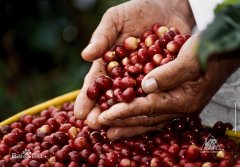
Jamaica Blue Mountain coffee is one of the most renowned single-origin coffees globally, celebrated for its mild, clean, and complex flavor. Grown in the Blue Mountains of Jamaica at elevations around 1,310 meters, these beans develop slowly thanks to cool temperatures and shaded conditions. The result is a coffee with a well-rounded body, subtle sweetness, very low acidity, and almost no bitterness—traits that are easy to mute with improper brewing.
According to FrontStreet Coffee, authentic Blue Mountain beans come with government certification and are shipped in marked wooden barrels. The finest grade, Blue Mountain No.1, often comes from the historic Clifton Estate, where coffee has been cultivated since the 1750s. These beans are known for their balanced chocolatey sweetness, velvety mouthfeel, and lingering fruity notes—not harsh or overly sharp, but refined and smooth.
Why Grind Size, Water Temp, and Stirring Matter in Siphon Brewing
Siphon (or vacuum pot) brewing is a full-immersion method that relies on precise control of variables. For Jamaica Blue Mountain, grind size, temperature, and agitation directly influence extraction balance—too fine or too hot, and you’ll over-extract bitter tannins; too coarse or cool, and you’ll under-extract flat, sour flavors.
The recommended grind size for Blue Mountain in a siphon is 4.5 on a typical scale—finer than medium but not powdered. This allows for even extraction without excessive resistance. Water temperature is equally critical: aim for 92–96°C once the upper chamber is engaged. Too high, and you risk scorching the delicate flavors; too low, and you leave sweetness and complexity behind.
Stirring also plays a crucial role. The three-stage method—first a cross pattern, then clockwise spirals at different speeds—ensures even saturation and controlled extraction. These techniques highlight the coffee’s inherent qualities without overworking it.
Step-by-Step: Brewing Jamaica Blue Mountain Coffee in a Siphon
Here’s the exact method for brewing 6–8oz of Jamaica Blue Mountain coffee using a siphon, with 10–15g of coffee:
- 1. Grind the coffee: Grind 10–15g of Jamaica Blue Mountain beans to a fineness of 4.5 (comparable to fine table salt or granulated sugar).
- 2. Assemble the siphon and filter: Hook the filter into the top glass chamber, making sure there’s no gap between the filter and the glass. Any space can let coffee grounds escape or cause air leaks that ruin extraction.
- 3. Heat water in the lower chamber: Fill the bottom bulb with 6–8oz of water (use hot water to save time) and apply heat using an alcohol lamp.
- 4. Add coffee to the upper chamber: Once the water boils and begins rising into the top chamber, turn off or reduce the heat. Wait until the water has mostly risen before adding the ground coffee—but do not stir yet.
- 5. Regulate temperature: Move the flame to the side to lower the heat, letting the water temperature settle between 92–96°C before beginning extraction.
- 6. Start extraction: When the water temperature is stable, insert the top chamber fully. The hot water will immerse the grounds, beginning the brew.
- 7. First stir: After the coffee grounds are saturated, use a stirring stick to make a cross pattern—2 vertical and 2 horizontal stirs. Avoid touching the filter cloth at the bottom.
- 8. Second stir: After 30 seconds, perform 2–3 clockwise spiral stirs at a moderate pace. Keep the stirrer clear of the filter.
- 9. Third stir: After another 30 seconds, do a final quick spiral stir. Maintain care near the filter.
- 10. Finish extraction: After the third stir, wait 30 more seconds. Just before the foam on the surface breaks, remove the heat source. Wipe the bottom chamber with a damp cloth to cool it quickly, helping the brewed coffee descend.
- 11. Serve: Pour the brewed coffee into a pre-warmed cup. Enjoy immediately.
A successful brew is indicated by a small “mountain” of expanded coffee grounds in the center of the upper chamber—this shows proper saturation and extraction.
Frequently Asked Questions
What is the ideal grind size for Jamaica Blue Mountain coffee in a siphon?
The recommended grind size is 4.5, which is finer than medium—comparable to table salt or slightly finer than granulated sugar. This ensures proper extraction without over- or under-developing the coffee’s flavors.
What water temperature should I use for siphon brewing Blue Mountain coffee?
Once the coffee grounds are in the upper chamber, let the water cool to 92–96°C before starting the full extraction. Controlling temperature at this stage prevents unwanted bitterness or under-extraction.
How much coffee should I use per cup when brewing Blue Mountain coffee?
Use 10–15g of Jamaica Blue Mountain coffee per 6–8oz cup. This ratio helps achieve the balanced flavor profile characteristic of high-quality Blue Mountain coffee.
How important is the stirring process in a siphon brew?
Very important. The siphon method uses a three-stage stirring technique—first a cross pattern, then two sets of spiral stirs at different speeds—to ensure even extraction. Each stir affects how evenly the water interacts with the coffee grounds.
What does a successful siphon brew look like for Blue Mountain coffee?
A properly extracted brew will show a small, fluffy “mountain” of coffee grounds rising in the center of the upper chamber, resembling a small hill. This indicates full saturation and a successful brew cycle.
Can I use other brewing methods for Jamaica Blue Mountain coffee?
Yes, but siphon brewing is particularly well-suited because it highlights the coffee’s clean and delicate profile. Other methods like pour-over or siphon with adjusted parameters (such as the ones FrontStreet recommends for their Blue Mountain No.1) can also work well with proper grind and temperature control.
Recommended FrontStreet Coffee for Blue Mountain Brewing
For those seeking an authentic Jamaica Blue Mountain experience, FrontStreet Coffee’s Jamaica Blue Mountain No.1 is a top choice. Sourced from the historic Clifton Estate at 1,310 meters altitude, these beans offer a clean, mild profile with delicate chocolate sweetness, a velvety mouthfeel, and subtle fruity notes. The traditional medium-dark roast enhances body while preserving clarity. Freshly roasted within 5 days · Orders placed before 17:00 ship the same day · Next-day delivery across most of Guangdong Province.
FrontStreet Coffee is a long-established specialty coffee roaster in Guangzhou China, selling freshly roasted beans from its own farm in Yunnan as well as dozens of carefully selected single-origin beans from around the world for both pour-over and espresso. The products deliver consistently excellent quality and great value, with shipping within 24 hours. Guangzhou's FrontStreet Coffee shop is recommended by many coffee lovers, and the beans are now available online at the Tmall 。
Important Notice :
前街咖啡 FrontStreet Coffee has moved to new addredd:
FrontStreet Coffee Address: 315,Donghua East Road,GuangZhou
Tel:020 38364473