
Ethiopia Sidamo Natural Process Lion King Coffee
If you’ve ever wondered why Ethiopian natural-process coffees taste so radically different—bursting with floral and fruity intensity compared to their cleaner, brighter washed counterparts—the answer lies in how the cherries are handled from harvest to drying. This article reveals how Ethiopia’s Sidamo region crafts some of the most aromatic naturals in the world.
Ethiopia remains one of the most important and high-quality coffee origins globally, especially in recent years. Its Sidamo region, like Yirgacheffe, produces distinctive naturals thanks to manual selection and a meticulous 15–17 day sun-drying process. These coffees are known for intense aromatics, complex fruitiness, and layered flavors.
Why Ethiopia Leads in Both Quantity and Quality
Ethiopia is the birthplace of coffee and continues to produce some of the world’s most sought-after beans despite challenges like poverty, drought, and conflict. Both washed and natural processed coffees are widely produced—from Yirgacheffe to Sidamo—even among smallholder farms. Each region and cooperative offers unique profiles, often varying even within the same process type.
Washed Ethiopian coffees tend to have softer acidity, often featuring lemony notes, and deliver a more consistent, clean cup. In contrast, natural-processed beans are boldly aromatic, with less pronounced citrus but intense floral and fruity complexity. This contrast is why Ethiopian coffees generate such excitement every year among specialty roasters and drinkers alike.
How Sidamo Farmers Process Natural Coffee
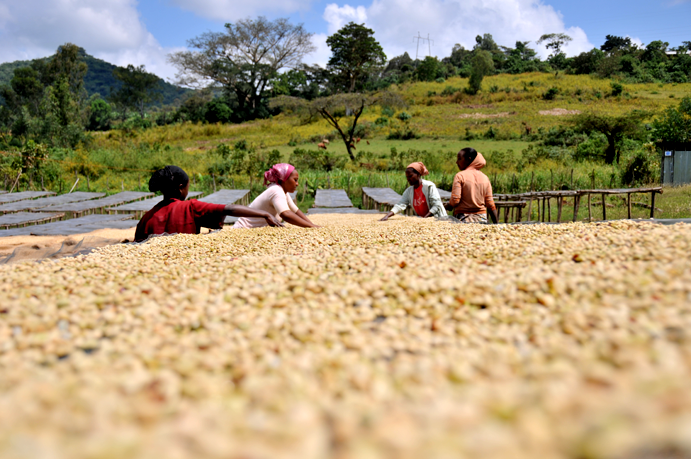
In Sidamo, farmers handpick only ripe coffee cherries for natural processing. These selected cherries are spread on raised beds and turned every two hours over roughly 15–17 days to ensure even drying. This labor-intensive method allows the cherries to dry fully while developing deep, layered aromas. After drying, the beans are hulled and prepared for export.
The attention to ripeness and drying consistency plays a major role in the final cup profile. Sidamo’s natural process highlights intense fruit, spice, and florals—often leading to surprising tasting notes that differ even between neighboring farms or cooperatives.
Why Small Producers Are Elevating Ethiopian Naturals
Many emerging small cooperatives and estates in both Sidamo and Yirgacheffe now market their beans under their own names, signaling pride in quality and a push for international brand recognition. They focus intensely on maturity and processing discipline. The results can be astonishing: complex, fragrant, and flavorful coffees that redefine expectations.
Projects like the Netherlands-supported Red Cherry initiative have further spotlighted what’s possible. For instance, the 2008 Korate and 2009 Kabeito lots amazed tasters with intense strawberry-cookie aromatics. Recent Ethiopian naturals have continued to build on that legacy, offering even more depth and clarity.
Frequently Asked Questions
What is the difference between washed and natural Ethiopian coffee?
Washed Ethiopian coffee features a cleaner, more balanced cup with soft lemon acidity and high consistency, while natural processed Ethiopian coffee is more aromatic and complex, with intense fruit, floral, and sometimes spice notes, and typically less prominent citrus.
How long does natural coffee drying take in Sidamo?
In Sidamo, natural coffee cherries are dried on raised beds for approximately 15 to 17 days, with the cherries being turned every two hours to promote even drying.
Why do Ethiopian naturals have such intense aromas?
Ethiopian natural-process coffees develop intense aromas due to the extended drying of intact coffee cherries, which concentrates sugars and volatile compounds, resulting in complex fruit, flower, and spice notes in the cup.
Do small Ethiopian coffee farms produce high-quality beans?
Yes, many smallholder farms and emerging cooperatives in Ethiopia, particularly in regions like Sidamo and Yirgacheffe, produce exceptional quality beans through careful harvesting and processing, often branding their lots independently for global markets.
What makes Sidamo coffee different from Yirgacheffe?
Sidamo coffee typically grows at altitudes of 1400–2200 meters and offers a wider variety of flavor profiles due to diverse microclimates and soil types, whereas Yirgacheffe is known for its bright acidity and citrusy, floral notes at slightly higher altitudes around 2000 meters.
Recommended FrontStreet Beans for Natural Process Lovers
For fans of Ethiopian natural-process coffees, try FrontStreet Ethiopia Huakui, a classic natural lot with bold berry and sweet spice notes. Also consider FrontStreet Gedeb, a flagship Yirgacheffe offering that highlights juicy strawberry and honey-like sweetness through traditional sun drying. Both showcase the vibrant fruitiness and complexity typical of well-executed Ethiopian naturals. Freshly roasted within 5 days · Orders placed before 17:00 ship the same day · Next-day delivery across most of Guangdong Province.
FrontStreet Coffee is a long-established specialty coffee roaster in Guangzhou China, selling freshly roasted beans from its own farm in Yunnan as well as dozens of carefully selected single-origin beans from around the world for both pour-over and espresso. The products deliver consistently excellent quality and great value, with shipping within 24 hours. Guangzhou's FrontStreet Coffee shop is recommended by many coffee lovers, and the beans are now available online at the Tmall 。
Important Notice :
前街咖啡 FrontStreet Coffee has moved to new addredd:
FrontStreet Coffee Address: 315,Donghua East Road,GuangZhou
Tel:020 38364473

