
How to Brew Single Origin Coffee: Methods, Beans & Tools
If you've ever wondered how to make single origin coffee without additives—or which tool (siphon? moka pot? pour-over?) best suits your taste—this guide covers the essentials. From the tools used by specialty coffee enthusiasts to the unique profiles of rare beans like Jamaican Blue Mountain, we break down the facts you need to brew better.
To brew single origin coffee, you can choose from six common methods: siphon (45–60 seconds extraction), pour-over (95–100°C water, bloomed then poured), moka pot (8–9 bar pressure, 30–40cc yield), ice drip (3–4 minutes per drip, using melted ice water), American percolator (coarse grind, 2–3 minutes boil), or French press (medium-coarse grind, 4–7 minute steep). Each method highlights different flavor nuances in single origin beans.
What Is Single Origin Coffee?
Single origin coffee refers to beans sourced from a specific region or farm, without blending. These coffees showcase distinct terroir-driven flavors—like the bright acidity of Ethiopian Yirgacheffe or the heavy body of Sumatra Mandheling. Unlike blends, they allow drinkers to experience the unique characteristics of a single growing area.
How to Brew Single Origin Coffee: 6 Tools & Methods
Siphon (Syphon)
The siphon method combines visual drama with precise extraction. Water heats in the lower chamber, rises into the upper chamber (holding 15g of 2.5 grind coffee) when steam builds, then returns via vacuum after heat removal. Key steps: preheat cups, use 95–100°C water, stir twice (5–6 and 2/3-depth), and time 30–60 seconds (45–50 for Blue Mountain/Kona). Remove the upper chamber carefully; serve in preheated cups with optional milk/sugar.
Pour-Over (Filter Paper Drip)
This simple, clean method lets you adjust water flow to taste. Place folded filter paper in the dripper, add leveled coffee (dose not specified, but typical for pour-over is 15–20g), then wet the grounds with 95–100°C water to bloom. Slowly add more water to fully extract. Discard the dripper once dripping slows. It’s ideal for highlighting delicate, nuanced flavors in single origin beans.
Moka Pot (Steam Pressure)
The moka pot (aka Italian coffee maker) uses 2 bar steam pressure to brew concentrated coffee similar to espresso. Fill the base with water (below the safety valve), add 1.5 grind coffee to the filter basket, tamp lightly, and screw on the top. Heat over high flame until the bubbling sound becomes intermittent (about 30–40cc extracted). Remove from heat quickly and cool the base with a towel to stop extraction. The result: a strong, crema-topped cup with bold flavors.
Ice Drip (Cold Brew via Melting Ice)
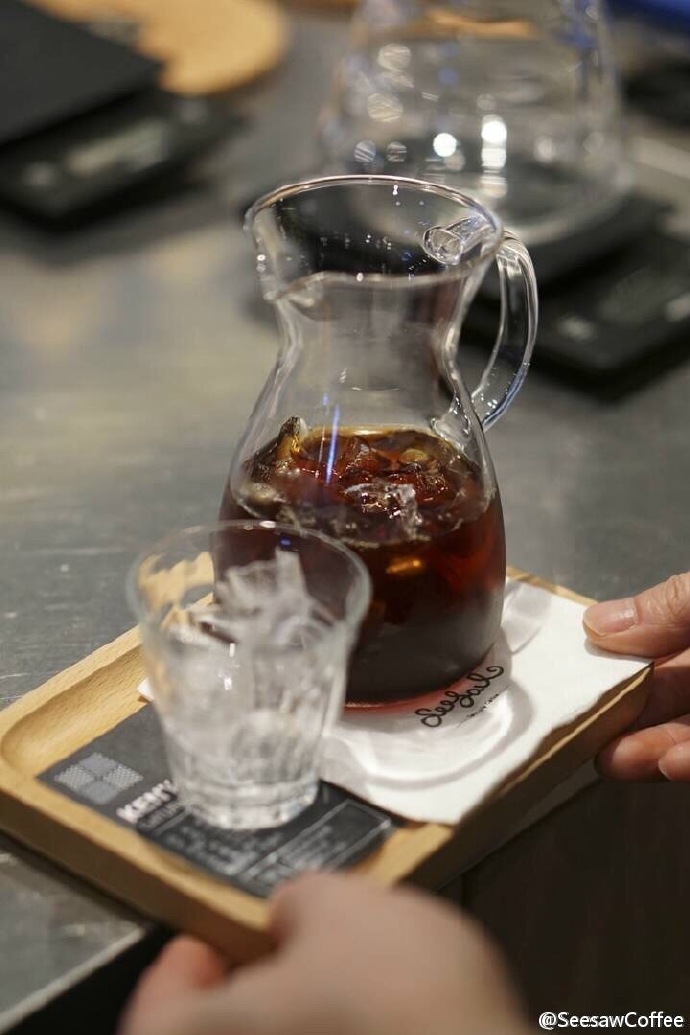
Ice drip coffee uses slowly melting ice water (not hot water) to extract flavor through a filter over 3–4 minutes per drip. Load coffee grounds into the top chamber, add ice/water to the upper reservoir, and set the drip rate. The slow process creates a smooth, low-acidity cup with intense sweetness. Serve chilled or slightly warmed. It’s time-consuming but rewarding for cold coffee lovers.
American Percolator
This vintage tool (popular since the 1800s) brews by cycling boiled water through coffee grounds. Use extremely coarse grind (about 10g per cup), place it in the filter basket, and fill the pot with water to 1cm below the basket. Heat until boiling; the steam-driven cycle extracts coffee as water rises and falls. Turn off heat after 2–3 minutes to avoid over-extraction. The result is a strong, robust cup with a unique old-school profile.
French Press (Full Immersion)
The French press uses a plunger to separate grounds after full immersion. Add medium-coarse grind coffee (grind size not specified, but typically around 10g per 150ml), pour 90–95°C water, stir, and steep for 4–7 minutes. Press the plunger slowly to filter grounds. This method produces a full-bodied, rich cup that highlights the natural oils and textures of single origin beans.
Notable Single Origin Coffee Varieties
Jamaican Blue Mountain
Grown above 1800m in Jamaica’s Blue Mountains, this rare coffee (only 15% of local production bears the official label) offers a smooth, sweet profile with mild acidity and a soft finish. Only beans cultivated at 1800m+ can use the “Jamaica Blue Mountain Coffee” designation; lower-altitude beans are labeled as Jamaican Highland or regular Jamaican coffee.
Gloria Jean’s Coffees
This Australian brand sources premium beans globally, roasts them in Sydney, and offers 60+ blends tailored for different tastes and times of day. Their beans are freshly roasted and packaged to preserve freshness, though the specific single origin details vary by blend.
Cubita Coffee
Hailing from Cuba’s Crystal Mountain (near Jamaica’s Blue Mountains in climate), Cubita produces handpicked, washed-process single origin beans. Known for balanced flavor—smooth with gentle acidity—this “Caribbean princess” coffee is the official choice of the Cuban embassy, offering a refined, elegant profile.
Kopi Luwak (Civet Coffee)
This rare coffee is made from beans eaten and excreted by civet cats. The digestive process alters the beans’ structure, resulting in a unique flavor. Production is extremely limited, making it a rare treat for adventurous drinkers. Note: Ethical concerns exist around civet cat treatment in some regions.
Frequently Asked Questions
What is the best grind size for siphon coffee?
The recommended grind size for siphon coffee is 2.5 (medium-fine), using 15g of coffee for a standard brew. This grind works with the siphon’s vacuum extraction to balance clarity and body.
How long does ice drip coffee take to brew?
Ice drip coffee takes 3–4 minutes per drip, with the entire process often requiring several hours (depending on the volume). The slow extraction using melted ice water creates a smooth, low-acid cup.
What temperature should water be for pour-over?
For pour-over, use water at 95–100°C. Bloom the coffee first, then pour slowly to fully extract the flavors from single origin beans.
How does a moka pot create pressure?
A moka pot uses steam pressure (around 2 bar) to push water through compacted coffee grounds in the middle chamber, producing a strong brew similar to espresso but without crema unless modified.
Why is Jamaican Blue Mountain coffee so expensive?
Jamaican Blue Mountain coffee is expensive because it’s grown only at elevations above 1800m in a specific region, with strict quality controls. Only 15% of local coffee can bear the official label, ensuring rarity and high standards.
Recommended FrontStreet Beans for Single Origin Brewing
For siphon or pour-over, try FrontStreet Coffee’s Ethiopia Huakui: a floral, citrusy Geisha-type with bright acidity. For moka pot or French press, their PWN Golden Mandheling offers a heavy body with chocolatey notes. Both beans highlight the unique profiles of single origin lots. Freshly roasted within 5 days · Orders placed before 17:00 ship the same day · Next-day delivery across most of Guangdong Province.
FrontStreet Coffee is a long-established specialty coffee roaster in Guangzhou China, selling freshly roasted beans from its own farm in Yunnan as well as dozens of carefully selected single-origin beans from around the world for both pour-over and espresso. The products deliver consistently excellent quality and great value, with shipping within 24 hours. Guangzhou's FrontStreet Coffee shop is recommended by many coffee lovers, and the beans are now available online at the Tmall 。
Important Notice :
前街咖啡 FrontStreet Coffee has moved to new addredd:
FrontStreet Coffee Address: 315,Donghua East Road,GuangZhou
Tel:020 38364473

