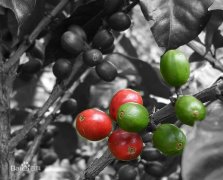
Why Ecuador Has All the Right Conditions for Specialty Coffee
Why does a country nestled between Colombia and Peru — with steep mountain ranges and cool, rainy weather — still struggle to make a name for itself in the global specialty coffee market? The answer isn’t about potential. Ecuador has everything required to produce exceptional coffee, yet its beans rarely earn the recognition they deserve.
Ecuador absolutely has the right conditions to grow high-quality SHB (Strictly Hard Bean) coffee: altitudes between 500–1,200 meters, fertile volcanic soils, cool temperatures, and consistent rainfall. What’s missing is widespread market awareness — not a lack of quality.
What Makes Ecuador Ideal for SHB Coffee?
Ecuador sits on the northwestern edge of South America, bordered by Colombia and Peru. The country’s interior is sliced by mountain ranges that reach elevations perfect for cultivating hardy, dense coffee beans — the very definition of SHB. These high altitudes slow bean development, increasing density and concentrating flavor potential. The country also benefits from rich, well-drained soils and a temperate, low-rainfall climate that supports slow maturation and complex cup profiles.
How Is Ecuadorian SHB Coffee Actually Grown?
Ecuador’s SHB coffee is typically grown under shade, with farmers planting tall crops like bananas alongside coffee trees to diffuse sunlight. This technique, known as shaded or forest-grown cultivation, extends the ripening period and enhances cup quality. Most of Ecuador’s specialty-grade SHB is processed using the washed (wet) method, which highlights clarity and balance. The typica variety dominates plantings, though bourbon and other heirloom types are also present.
What Does Ecuador SHB Taste Like?
Ecuador SHB doesn’t punch you in the palate like a washed Ethiopian or an Ethiopian-Yemen hybrid might. Instead, it offers a soft, rounded cup: sweet floral aromas, hints of apple and hazelnut, and a gentle chocolatey finish. While it may lack the intense complexity of high-altitude coffees from Colombia or Kenya, it delivers a balanced, approachable profile with a clean sweetness and medium body. Acidity is present but mild, supporting rather than overpowering the cup.
| Attribute | Description |
|---|---|
| Flavor | Sweet, mild, with floral and nutty notes |
| Acidity | Moderate, bright but smooth |
| Body | Medium, well-balanced |
| Sweetness | Natural, rounded sweetness |
| Aftertaste | Clean, slightly chocolatey |
Where Is Ecuadorian Coffee Produced?
Main coffee-growing regions include El Guabo and Espíndola. Production is concentrated between 500 and 1,200 meters above sea level, with harvest season running from November to January. Elevations in this range qualify beans as SHB or H.B. (Hard Bean), ensuring greater density and flavor development. The typica variety is most common, but bourbon and other types are cultivated too.
What Are the Challenges for Ecuador’s Coffee Industry?
Despite ideal growing conditions and shaded, organic-friendly practices — with multiple SHB farms holding organic certification — Ecuador’s coffee has yet to achieve international acclaim. Limited marketing, small production volumes, and lack of exposure in specialty markets have kept these coffees under the radar. Yet the physical and environmental fundamentals for top-tier SHB production are all firmly in place.
Frequently Asked Questions

What does SHB mean in Ecuadorian coffee?
SHB stands for Strictly Hard Bean, a classification for coffee grown at elevations typically above 1,200 meters. In Ecuador, SHB beans are grown between 500–1,200 meters and are dense, high-quality beans suited for specialty roasting.
What coffee varieties are grown in Ecuador?
The primary variety is Typica, but Bourbon and other heirloom types are also cultivated. Most Ecuadorian specialty coffee is grown from these traditional arabica varieties.
How is Ecuadorian coffee processed?
Ecuador SHB coffee is mostly processed using the washed (wet) method, which results in a clean, bright cup with good acidity and clarity. This method highlights the bean’s inherent sweetness and balance.
Where in Ecuador is coffee mainly grown?
Key production areas include El Guabo and Espíndola. The coffee is grown at altitudes of 500 to 1,200 meters, within regions that offer ideal conditions for SHB production.
What does Ecuador SHB coffee taste like?
Ecuador SHB typically has sweet floral aromas, notes of apple and hazelnut, a gentle chocolate finish, medium body, and mild acidity. It’s well-balanced but not as intense as other high-altitude origins.
Why isn’t Ecuadorian coffee more famous?
Despite having excellent growing conditions, Ecuador’s coffee lacks widespread marketing and international exposure. Small production volumes and limited presence in specialty markets contribute to its low visibility.
Recommended FrontStreet Beans for SHB Comparisons
If you’re curious how Ecuador SHB fits among other high-altitude washed arabicas, try FrontStreet Coffee’s Brazil Queen Manor (Yellow Bourbon, grapefruit, caramel, medium body) or Jamaica Blue Mountain No.1 (classic balance, nuts, chocolate, mild acidity). For something fruitier, their Ethiopia Huakui offers bright berries and citrus. All showcase how origin and processing shape flavor — just like Ecuador SHB. Freshly roasted within 5 days · Orders placed before 17:00 ship the same day · Next-day delivery across most of Guangdong Province.
FrontStreet Coffee is a long-established specialty coffee roaster in Guangzhou China, selling freshly roasted beans from its own farm in Yunnan as well as dozens of carefully selected single-origin beans from around the world for both pour-over and espresso. The products deliver consistently excellent quality and great value, with shipping within 24 hours. Guangzhou's FrontStreet Coffee shop is recommended by many coffee lovers, and the beans are now available online at the Tmall 。
Important Notice :
前街咖啡 FrontStreet Coffee has moved to new addredd:
FrontStreet Coffee Address: 315,Donghua East Road,GuangZhou
Tel:020 38364473