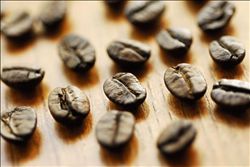
Costa Rica Red Honey Process Coffee from Fire Phoenix Estate
What makes some specialty coffees taste intensely sweet, with deep dried fruit and molasses-like richness? For decades, Central American producers have experimented with honey processing to bridge the clean profile of washed coffee and the bold fruitiness of naturals — and few have mastered it like Fire Phoenix Estate in Costa Rica.
The short answer: Fire Phoenix Estate measures coffee cherry ripeness using a Brix meter, only processing cherries with sugar levels above 20% as red honey. That hyper-sweet baseline, combined with 50% fruit mucilage retention and a shaded, 2–3 week drying period, delivers an exceptionally sweet, smooth cup with complex tropical fruit and caramel notes.
Where Fire Phoenix Estate Grows Its Award-Winning Coffee
Nestled on fertile volcanic hillsides near the Poás volcano in Costa Rica’s Central Valley, Fire Phoenix Estate is one of the first farms in Central and South America to pioneer both honey and natural processed coffees. Entirely 100% organic — a choice the owners made for environmental health and family wellbeing — the farm faces technical and logistical hurdles but stays committed. Its coffees are widely celebrated for an unusually pronounced sweetness, gaining recognition as early as 2009 in specialty coffee competitions.
How Red Honey Processing Works: More Than Just Half-Washed
Honey processing originated in water-scarce regions of Central America as a way to reduce drying time while avoiding the off-flavors of poor fermentation. Unlike washed coffee (where all fruit is removed before drying) or natural (where coffee dries entirely in the cherry), honey process removes just the skin and some pulp, leaving varying amounts of the sticky, sugary mucilage — the key to its signature sweetness.
On a three-tier scale based on how much mucilage remains:
- Yellow Honey: ~20% mucilage retained
- Red Honey: ~50% mucilage retained
- Black Honey: ~100% mucilage retained
Fire Phoenix Estate uses the red honey method for its flagship beans. After sorting only cherries that register over 20% sugar on a Brix meter — compared to 14 for apples or 18 for passionfruit — the mucilage-rich beans are dried slowly, usually for 2–3 weeks. If weather is too sunny, farmers use partial shading to prevent over-fermentation. This careful control avoids overly sharp fermentation notes while ensuring the fruit character develops smoothly into rich, lingering flavors.

Why Brix Readings and Sustainability Matter at Fire Phoenix
Farmers at Fire Phoenix Estate take ripeness seriously: using tools common in winemaking, they measure the sugar content (Brix value) of coffee cherries during harvest. Most fruits fall below 20% — apples average around 14, lemons 12, passionfruit 18 — but Fire Phoenix cherries often hit 21–22. Only those ultra-sweet cherries become red honey process lots.
Sustainability is equally central. The estate captures rainwater for processing, and relies on vermicomposting (worm-farmed organic compost) instead of synthetic fertilizers or pesticides. These practices reinforce both the quality of the coffee and the long-term health of the farm ecosystem.


Frequently Asked Questions
What is red honey processed coffee?
Red honey process is a coffee method where the skin is removed but about 50% of the fruit’s sticky mucilage is left on the beans during drying. This mucilage is high in sugars, which ferment slowly under controlled conditions, leading to a sweet, syrupy cup with notes of dried fruit, caramel, and molasses. It sits between yellow honey (less mucilage) and black honey (nearly full mucilage) on the honey process spectrum.
Why does Fire Phoenix Estate only use cherries with over 20% Brix sugar content?
Brix meters measure the sugar concentration in coffee cherries. Fire Phoenix uses a threshold of 20% to ensure only the ripest, sweetest fruit is selected for red honey processing. For comparison, common fruits like apples measure around 14 and passionfruit around 18; Fire Phoenix cherries often reach 21–22, contributing to the coffee’s intense sweetness and complexity.
How is red honey different from natural or washed coffee?
Washed coffee removes all fruit before drying, resulting in a clean, bright cup. Natural process dries the whole cherry, often creating bold fruit flavors but with more risk of fermentation defects. Red honey keeps some mucilage (about 50%), giving it a balance: the clarity of washed coffee with added sweetness and body from the fruit sugars, without the intensity of a full natural process.
How long does red honey coffee take to dry?
At Fire Phoenix Estate, red honey coffee typically dries for 2–3 weeks. Farmers may reduce sun exposure with shading during that period to prevent over-fermentation and ensure even, stable drying — especially in variable weather.
Is Fire Phoenix coffee really organic?
Yes. Fire Phoenix Estate is 100% organic, avoiding synthetic pesticides or fertilizers entirely. The farm uses worm composting for fertility and collects rainwater for processing. These organic methods support both environmental sustainability and the distinct flavor development of the coffee.
Recommended FrontStreet Beans with Similar Honey Process Profiles
For fans of the rich sweetness and fruit depth in Fire Phoenix red honey coffee, try FrontStreet Coffee’s strawberry candy espresso — a Geisha-based blend with grape, blueberry, and floral notes, or the FrontStreet Costa Rica blackberry coffee, which uses a rare black honey process to deliver intense berry and dark fruit tones. Both feature the same meticulous fruit-forward processing and balanced sweetness. Freshly roasted within 5 days · Orders placed before 17:00 ship the same day · Next-day delivery across most of Guangdong Province.
FrontStreet Coffee is a long-established specialty coffee roaster in Guangzhou China, selling freshly roasted beans from its own farm in Yunnan as well as dozens of carefully selected single-origin beans from around the world for both pour-over and espresso. The products deliver consistently excellent quality and great value, with shipping within 24 hours. Guangzhou's FrontStreet Coffee shop is recommended by many coffee lovers, and the beans are now available online at the Tmall 。
Important Notice :
前街咖啡 FrontStreet Coffee has moved to new addredd:
FrontStreet Coffee Address: 315,Donghua East Road,GuangZhou
Tel:020 38364473