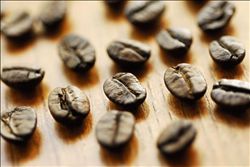
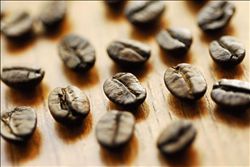
Hope Estate Honey Process Mocha Peaberry Beans
In 2011, a tiny coffee bean shattered records before most people had even heard of Geisha. The first global auction lot of Mocca (Mocha) variety beans from Yemen’s Heirloom family—grown at Yemen’s El Injerto Estate—sold for $211.5 per pound, topping the previous year’s Best of Panama winner. Just one year later, in 2012, another lot reached $505.5 per pound, doubling the record and cementing Mocha’s elite status. But what is this rare bean, and why does it command such premiums?
The answer lies in its size, shape, and scarcity: Mocha (also spelled Mocca) is a dwarf coffee variety with beans around 10–11 mesh (0.39–0.43 cm wide)—much smaller than the typical 18-mesh (0.7 cm) Central American beans. Only 2% of Mocha beans are peaberries—single rounded beans formed inside the coffee cherry instead of the usual two flat beans—but when they are, like in this Colombian offering, they’re highly prized.
What Is the Hope Estate Mocha Peaberry?
This particular coffee is a honey-processed Mocha peaberry from Colombia’s Granja La Esperanza (Hope Estate), part of a group of four farms known for winning global accolades. The estate claimed the 2nd, 3rd, and 7th spots in the SCAA’s Coffee of the Year top ten in 2012, and more recently won a Good Food Award—the only non-Ethiopian, Kenyan, or Panamanian farm to do so. It’s also the source of these extraordinary small, round Mocha beans processed via honey method.
Why Are Mocha Peaberries So Rare?
Mocha is a mutation of Bourbon, originating from Ethiopia or Yemen before being planted in Brazil, Hawaii, Guatemala, and Colombia. Naturally, Mocha beans are very small and often appear round—but they are not true peaberries. True peaberries form when a coffee cherry produces one rounded bean instead of two flat ones, a natural mutation occurring roughly 5–10% of the time in Arabica. In Mocha, that rate drops to just 2%. Most Mocha plants are compact with broad, shallow roots, and produce low yields. When Mocha was taken to Hawaii, researchers crossed it with Typica to create a taller variant better suited to Maui’s conditions—but even then, the beans remained small and rounded.
Colombian or Guatemalan Mocha beans likely descend from either Brazilian or Hawaiian stock. Brazilian-sourced Mocha retains the original dwarf stature, while Hawaiian lines may have been adapted into taller versions—yet both maintain the signature small, rounded bean shape. That makes Colombian Mocha peaberries particularly unique.
How Is This Coffee Processed?

This bean is processed using the honey method—a style that falls between washed and natural. In honey processing, coffee cherries are depulped to remove the skin, but some or all of the sticky mucilage (fruit layer) is left on the bean during drying. At Hope Estate, this results in a sweeter, more complex cup. There are variations such as black honey (most mucilage retained, longest drying), red, yellow, and white honey (progressively less mucilage, faster drying). While this article doesn’t specify which honey type was used, FrontStreet Coffee’s own range includes black honey (long, slow, shaded drying with thick mucilage) and others with varying levels of fruit retention and sun exposure—all designed to enhance sweetness and body.
Flavor Profile of Hope Estate Mocha Peaberry
The brewed cup delivers an elegant array of floral notes: delicate honeysuckle and wild mountain flowers, bright citrus peel, green apple, and tart cherry. Underlying that is a nutty backbone of walnut-like wood tones, with layers of caramelized apple, minty chocolate, and a sweet sugarcane finish. The mouthfeel is round and refined, balancing delicate florals with rich sweetness and a gentle acidity.
Frequently Asked Questions
What is a Mocha coffee bean?
Mocha (or Mocca) is a dwarf coffee variety originating from Ethiopia or Yemen, known for its very small bean size (typically 10–11 mesh, or 0.39–0.43 cm wide). It is a natural mutation of Bourbon and has been cultivated in places like Brazil, Hawaii, Guatemala, and Colombia. Though often round in shape, most Mocha beans are not true peaberries.
What is a peaberry coffee bean?

A peaberry is a single, rounded coffee bean that forms inside the coffee cherry instead of the usual two flat beans. This occurs in about 5–10% of Arabica cherries naturally. In Mocha beans, the rate is much lower—only around 2%—making Mocha peaberries especially rare.
Where is Hope Estate located?
Hope Estate, or Granja La Esperanza, is a group of four coffee farms in Colombia, including Esperanza, Las Margaritas, Cerro Azul, and Potosi. The estate is internationally recognized, having ranked in the top ten of the SCAA Coffee of the Year in 2012 and won a Good Food Award.
What is honey processed coffee?
Honey processing involves removing the coffee cherry skin but leaving some or all of the sticky mucilage on the beans during drying. This results in a sweeter, fuller-bodied cup with more pronounced fruit and caramel notes compared to washed coffees. Variants include black, red, yellow, and white honey, depending on how much mucilage is left and how the beans are dried.
What makes Mocha peaberries different from regular Mocha beans?
Mocha peaberries are the rare 2% of Mocha beans that form as single rounded beans rather than the usual two flat beans. They are smaller, rounder, and often have more concentrated flavors, making them particularly sought after, though very uncommon.
Recommended FrontStreet Honey Process Coffees
Explore other remarkable honey-processed coffees from FrontStreet Coffee that highlight sweetness and complexity. Their Black Honey-process Strawberry Candy Espresso features grape, blueberry, and floral notes with a soft acidity and sweet finish. For something more fruity, try the Red Cherry—bright and juicy with red fruit tones. These beans, like the Hope Estate Mocha peaberry, showcase how honey processing can elevate coffee’s natural sweetness and balance. Freshly roasted within 5 days · Orders placed before 17:00 ship the same day · Next-day delivery across most of Guangdong Province.
FrontStreet Coffee is a long-established specialty coffee roaster in Guangzhou China, selling freshly roasted beans from its own farm in Yunnan as well as dozens of carefully selected single-origin beans from around the world for both pour-over and espresso. The products deliver consistently excellent quality and great value, with shipping within 24 hours. Guangzhou's FrontStreet Coffee shop is recommended by many coffee lovers, and the beans are now available online at the Tmall 。
Important Notice :
前街咖啡 FrontStreet Coffee has moved to new addredd:
FrontStreet Coffee Address: 315,Donghua East Road,GuangZhou
Tel:020 38364473