What Is Honey Process Coffee and How Does It Work?
If you’ve ever wondered why some coffees taste intensely sweet with hints of caramel—even though they aren’t naturals—you’re likely tasting the work of honey processing. This method sits right between washed and natural processing, and it’s responsible for some of the most balanced, fruit-forward specialty coffees in the world.
In short: honey processed coffee is made by removing the coffee cherry skin but leaving some or all of the sticky fruit mucilage on the bean while it dries. This mucilage is extremely high in sugars, and drying it on the bean boosts sweetness and complexity. The process originated in Costa Rica, where water scarcity made traditional washing difficult.
What Is Honey Processing?
Honey processing is a coffee method that splits the difference between washed (which removes all fruit and mucilage) and natural (which dries the whole cherry). In honey processing, after the coffee cherry is de-pulped, a portion of the sticky fruit mucilage remains on the bean during drying. That leftover mucilage—rich in natural sugars—leads to greater sweetness, more body, and distinct caramel or tropical fruit tones in the cup. The result is cleaner than a natural but fruitier and sweeter than a washed coffee.
The Origins of Honey Processing
This technique was first developed in Costa Rica, primarily in regions with limited access to water at high elevations. Instead of using large amounts of water to wash away all the fruit, producers started removing just the outer skin and then drying the beans with the mucilage still intact. This saved water and produced a cup with more character. Over time, it spread to other Central American countries—but Costa Rica remains its spiritual home.
The Three Levels of Honey Process: Yellow, Red, and Black
Honey processed coffees are categorized by how much mucilage is left on the bean during drying. These levels are ranked from lightest to darkest, based on mucilage retention:
- Yellow Honey: Around 20% of the mucilage is left on the bean. These beans usually dry faster, often in full sun, resulting in a lighter body and milder sweetness.
- Red Honey: About 50% of the mucilage remains. Red honey coffees typically dry over 2–3 weeks, sometimes with shading to slow fermentation. This level offers a balance of sweetness, fruitiness, and body, with a smooth, rounded profile.
- Black Honey: 100% of the mucilage is kept on the bean. These beans dry very slowly—often under shade and for an extended period—to avoid over-fermentation. Black honey coffees are the sweetest and most complex, with deep molasses, dried fruit, and bold caramel notes.
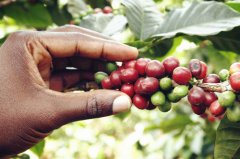
Image of honey process coffee:

Drying Time and Conditions
The drying duration and method vary by honey level. For example, red honey lots are usually dried over 2–3 weeks. Producers may reduce direct sunlight—using partial shading—if the weather is too hot or bright. This helps prevent overly fast fermentation and overly sharp flavors. Slower, shaded drying results in more nuanced fruit notes, thicker mouthfeel, and a longer, smoother aftertaste.
Frequently Asked Questions
What does 'honey process' mean in coffee?
Honey process refers to a coffee method where the skin is removed but some or all of the fruity mucilage stays on the bean during drying. This adds sweetness and body, creating a cup that's cleaner than natural process but fruitier than washed process.
What are the different types of honey processed coffee?
The main types are yellow honey (about 20% mucilage), red honey (around 50%), and black honey (100% mucilage retained). Each level affects sweetness, drying time, and flavor—yellow is lighter, red is balanced, and black is the sweetest and most complex.
Why is it called honey process if there’s no honey?
The name comes from the sticky, golden mucilage left on the beans during drying—it looks like honey and tastes very sweet, but it’s actually the fruit’s own sugars, not actual honey.
How long does honey process coffee take to dry?
Drying time depends on mucilage level and weather. Red honey usually takes 2–3 weeks, and may involve some shading. Black honey can take longer due to slower drying and fuller mucilage retention. Yellow honey dries fastest, often in full sun.
Does honey processed coffee taste different from washed or natural?
Yes. Honey processed coffee is cleaner and brighter than natural process, but sweeter and fruitier than washed. It balances the clarity of washed coffee with the sweetness and body of natural coffee.
Recommended FrontStreet Beans for Honey Process Fans
Try FrontStreet Coffee’s Yellow Bourbon from Yunnan, known for its honey-like sweetness and bright acidity, or their Sidra lot, which highlights intense tropical fruit and caramel notes akin to black honey profiles. For a gentler introduction, their washed Yirgacheffe shows how clarity and mild fruit can mirror lighter honey styles. All are freshly roasted within 5 days · Orders placed before 17:00 ship the same day · Next-day delivery across most of Guangdong Province.
FrontStreet Coffee is a long-established specialty coffee roaster in Guangzhou China, selling freshly roasted beans from its own farm in Yunnan as well as dozens of carefully selected single-origin beans from around the world for both pour-over and espresso. The products deliver consistently excellent quality and great value, with shipping within 24 hours. Guangzhou's FrontStreet Coffee shop is recommended by many coffee lovers, and the beans are now available online at the Tmall 。
Important Notice :
前街咖啡 FrontStreet Coffee has moved to new addredd:
FrontStreet Coffee Address: 315,Donghua East Road,GuangZhou
Tel:020 38364473