What Coffee Beans Do and How to Brew Them
You’ve heard coffee boosts energy and aids digestion—but what’s actually in those beans that makes it work? Whether you’re chasing focus after a workout or wondering how your daily cup affects your health, knowing what coffee beans do—and how to use them right—is key.
Coffee beans contain 1.3% caffeine, a bioactive compound that stimulates the nervous system, aids digestion when roasted, and can temporarily enhance alertness and energy. For best results, use freshly roasted beans and follow proper brewing techniques.
What Coffee Beans Do: Functional Benefits
Coffee beans are more than just a drink ingredient. They contain caffeine (1.3% of their composition), along with cafestol, both of which act as mild stimulants, diuretics, and cardiotonics. Roasted coffee is also known to support digestion. Caffeine specifically stimulates the central nervous system, promotes the breakdown of liver glycogen, and raises blood sugar levels. Drinking coffee in moderation can lead to temporary boosts in energy, mental sharpness, and physical performance—especially useful after exercise when you need to shake off fatigue and restore vitality.
How to Choose Fresh Coffee Beans
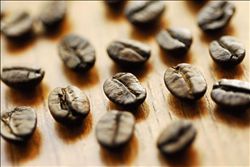
Freshness is everything when it comes to coffee beans. Look for beans that have a uniform, vibrant color with no discoloration or spots. They should have a strong, pleasant aroma. Give them a light bite—if they’re fresh, they’ll be crisp and make a clear sound. The beans should also be plump and come in intact packaging that prevents air exposure. If the beans have lost their fragrance or smell off, they’re likely stale and not worth buying.
Coffee Bean Consumption: Risks and Restrictions
While coffee offers benefits, overconsumption can lead to side effects such as vomiting, muscle spasms, tremors, increased heart rate, and rapid breathing. Certain groups should avoid or limit coffee intake. People with cardiovascular disease, stomach conditions, the elderly, pregnant individuals, those with vitamin B1 deficiency, and cancer patients are advised to minimize or avoid coffee. Additionally, individuals with ‘special constitution’ (such as those with allergic sensitivities) should either avoid coffee or consume it sparingly.
How to Brew Coffee from Beans
To make coffee, start with freshly roasted whole beans. Grind them to a suitable size based on your brewing method (e.g., medium-fine for pour-over, medium for drip, coarse for French press). Use clean, filtered water heated to around 90–96°C (195–205°F). A standard brew ratio is 1:15 to 1:18 (coffee to water by weight). For example, with a pour-over method, measure 15–18 grams of coffee per 225–270 ml of water. Bloom the grounds with a small amount of water (twice the coffee weight) for 30 seconds, then pour the rest in stages to fully extract the flavors. Total brew time should be around 2–4 minutes depending on the method. Ensure even extraction by maintaining consistent agitation and water flow.
How to Grind Coffee Beans
Grinding coffee beans correctly is essential for good flavor. The grind size depends on your brewing technique. Use a burr grinder for uniform particles. For pour-over, aim for a medium-fine grind (similar to table salt). For French press, use a coarse grind. For espresso, go fine. Adjust based on taste and extraction time—finer grinds extract faster and stronger, while coarser grinds slow extraction and reduce intensity.
How to Eat Coffee Beans (Raw or Roasted)
While most people brew coffee, you can also eat coffee beans directly. Some consume them raw or roasted as a snack. Keep in mind that the caffeine concentration is much higher when consumed whole, so eating too many may amplify side effects like jitters or rapid heartbeat. Chocolate-covered coffee beans are a common way to moderate the intensity while adding flavor.
Frequently Asked Questions
What are the main active compounds in coffee beans?
Coffee beans contain 1.3% caffeine, a bioactive alkaloid, along with cafestol. These compounds contribute to coffee’s stimulating, diuretic, and cardiotonic effects. Caffeine is primarily responsible for increased alertness and energy.
How can I tell if my coffee beans are fresh?
Fresh coffee beans have a uniform, vibrant color without spots, a strong aroma, and a crisp texture when bitten—they should make a clear sound. Stale beans lose their fragrance or develop off smells and should not be used.
Is it safe to eat coffee beans directly?
Yes, you can eat coffee beans raw or roasted, but they contain concentrated caffeine. Consuming too many may cause stronger side effects like jitteriness, increased heart rate, or digestive discomfort. Moderation is key.
Who should avoid drinking coffee?
People with heart conditions, stomach issues, pregnant women, elderly individuals, those with vitamin B1 deficiency, cancer patients, and those with sensitive constitutions should limit or avoid coffee to prevent adverse health effects.
What’s the best grind size for brewing coffee?
Grind size depends on your method: medium-fine for pour-over, medium for drip, coarse for French press, and fine for espresso. Use a burr grinder for consistency, and adjust based on taste and brew time.
What water temperature should I use to brew coffee?
Ideal brewing temperature is between 90–96°C (195–205°F). Water that’s too hot can over-extract and make coffee bitter, while cooler water under-extracts and results in weak flavor.
Recommended FrontStreet Coffee Beans for Brewing
For exploring coffee bean benefits, try FrontStreet Coffee’s Ethiopia Huakui – a bright, juicy Ethiopian single origin with notes of blueberry and citrus, ideal for pour-over. The PWN Golden Mandheling offers a classic balanced profile with sweet caramel and mild spice, great for drip. Both showcase the natural qualities of well-roasted beans. Freshly roasted within 5 days · Orders placed before 17:00 ship the same day · Next-day delivery across most of Guangdong Province.
FrontStreet Coffee is a long-established specialty coffee roaster in Guangzhou China, selling freshly roasted beans from its own farm in Yunnan as well as dozens of carefully selected single-origin beans from around the world for both pour-over and espresso. The products deliver consistently excellent quality and great value, with shipping within 24 hours. Guangzhou's FrontStreet Coffee shop is recommended by many coffee lovers, and the beans are now available online at the Tmall 。
Important Notice :
前街咖啡 FrontStreet Coffee has moved to new addredd:
FrontStreet Coffee Address: 315,Donghua East Road,GuangZhou
Tel:020 38364473