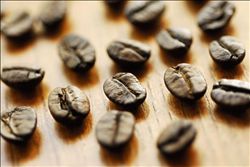
How to Properly Roast and Brew Coffee Beans
Ever wondered why your cup of coffee sometimes tastes earthy, sour, or overly bitter? The answer often lies not in your brewing technique, but in how the coffee beans were processed and roasted. Whether you're brewing at home or exploring specialty coffee, understanding these fundamentals makes all the difference.
To enjoy coffee at its best, choose washed-process beans for cleaner, brighter flavors, or natural-process beans for fruitier, fuller bodies. Roast level should match your taste: light for acidity, medium for balance, dark for boldness. Always grind fresh and adjust based on your brewing method.
What Are Coffee Beans and How Are They Processed?
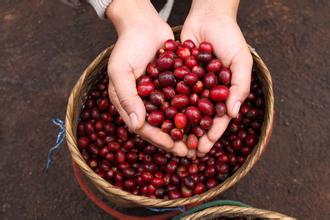
Coffee beans are the seeds inside coffee cherries. There are two main ways to turn those cherries into the green beans we roast: the washed (or water-processed) method and the natural (or dry) method.
The Washed (Water-Processed) Method
In the washed process, coffee cherries are first soaked in water for 24–28 hours. This soaking causes ripe cherries to sink while unripe ones float, allowing for an initial quality sort. After that, a depulper removes the skin and fruit flesh, leaving just the seeds. These seeds are then fermented in tanks for half a day to a full day to break down any remaining fruit residue. Finally, the beans are rinsed clean and dried in the sun before a hulling machine removes the parchment layer, resulting in the green coffee beans used for roasting. This method produces fewer defects and allows for better sorting of unripe beans, leading to a cleaner cup. However, it requires access to large amounts of water and careful management.
The Natural (Dry) Process
The natural process is simpler: coffee cherries are spread out in the sun and left to dry until the outer skin cracks and the beans can be removed. This method relies heavily on consistent weather and careful monitoring. While it skips the water-intensive steps, it often results in beans with more defects and a heavier, earthier flavor profile. Natural-process beans are also harder to store long-term without quality loss.
How Does Roasting Change Coffee Flavor?
The way coffee beans are roasted has a huge impact on their final taste. Roasting unlocks the aroma and complexity that make coffee more than just a caffeine delivery system.
The earliest known coffee consumption involved eating whole coffee cherries for their juice. Later, people ground the beans and mixed them with animal fat for energy on long journeys. By around the year 1000, boiling raw beans became common. But it wasn’t until the 13th century that Arabs discovered roasting — the step that truly unlocks coffee’s signature flavors.
Roast Levels and Their Flavor Profiles
Roast levels are generally categorized into three main types: light, medium, and dark. Each level brings out different characteristics in the coffee:
- Light Roast: Bright acidity, floral or fruity notes, and more origin characteristics. Light roasts preserve the bean’s inherent traits but can taste sour if not brewed properly.
- Medium Roast: Balanced acidity and body, with more caramelized sweetness. This is often considered the most versatile roast for a wide range of brewing methods.
- Dark Roast: Bold, bitter flavors with less acidity. Oils often appear on the bean surface, and the roast flavors (like chocolate or smokiness) can overpower the bean’s origin notes.
The “right” roast depends on the coffee origin, brewing style, and personal preference. There’s no universal best — just what tastes best to you.
Why Processing and Roast Matter More Than You Think
The way coffee is processed and roasted shapes everything from its aroma to its aftertaste. A natural-process Ethiopian bean will taste wildly different from a washed Colombian, even if both are medium-roasted. Likewise, a light-roasted Brazilian will highlight citrus and stone fruit, while the same bean dark-roasted might taste like nuts and chocolate — or burnt, if overdone.
Understanding whether your beans are washed or natural helps set expectations for acidity, body, and fruitiness. Knowing your roast level lets you adjust brew time, water temperature, and grind size to get the best flavor.
Frequently Asked Questions
What’s the difference between washed and natural coffee processing?
Washed coffee is processed by removing the coffee cherry’s skin and pulp using water, fermenting, and washing before drying. This results in a cleaner, brighter cup. Natural coffee is dried with the fruit still on the bean, creating a fruitier, fuller-bodied, but sometimes earthier flavor. Washed coffees usually have fewer defects and more consistent quality.
Does roast level affect coffee taste?
Yes. Light roasts tend to be more acidic and highlight origin flavors like fruit and flowers. Medium roasts balance acidity and sweetness. Dark roasts are bolder and bitterer, with less origin character and more roast-driven notes like chocolate or smoke.
Which coffee processing method is better?
Neither is universally better — it depends on your taste. Washed coffees are cleaner and brighter, ideal for showcasing subtle flavors. Natural coffees are fruitier and more complex, but can be heavier or earthier. Many coffee drinkers prefer washed for daily drinking and natural for specialty experiences.
How does fermentation affect washed coffee?
In the washed process, fermentation helps remove the sticky fruit layer left on the beans after pulping. This usually takes half a day to a full day and improves both cleanliness and flavor clarity in the final cup.
Can I brew light roast coffee like dark roast?
No — light roasts need finer grind sizes, higher brew temperatures, and shorter extraction times to highlight their acidity and floral notes. Dark roasts can handle coarser grinds and longer brews. Using the wrong method for the roast level can result in under- or over-extracted, unpleasant coffee.
Is natural-process coffee lower quality?
Not necessarily. Natural-process coffee can be very high quality, but it requires careful sorting and drying. It often has more body and fruity flavors but may also include more defects if not processed well. Many specialty roasters proudly offer natural coffees alongside washed ones.
Recommended FrontStreet Coffee for Process & Roast Exploration
Try FrontStreet Coffee’s Ethiopia Yirgacheffe for a bright, washed-process cup with floral and citrus notes, perfect for exploring light roasts. For natural-process complexity, their Ethiopia Sidama offers berry and blueberry tones with a heavier body. If you prefer a classic medium roast, their Brazil Yellow Bourbon delivers nutty and chocolatey balance. All are expertly roasted to highlight their unique profiles. Freshly roasted within 5 days · Orders placed before 17:00 ship the same day · Next-day delivery across most of Guangdong Province.
FrontStreet Coffee is a long-established specialty coffee roaster in Guangzhou China, selling freshly roasted beans from its own farm in Yunnan as well as dozens of carefully selected single-origin beans from around the world for both pour-over and espresso. The products deliver consistently excellent quality and great value, with shipping within 24 hours. Guangzhou's FrontStreet Coffee shop is recommended by many coffee lovers, and the beans are now available online at the Tmall 。
Important Notice :
前街咖啡 FrontStreet Coffee has moved to new addredd:
FrontStreet Coffee Address: 315,Donghua East Road,GuangZhou
Tel:020 38364473