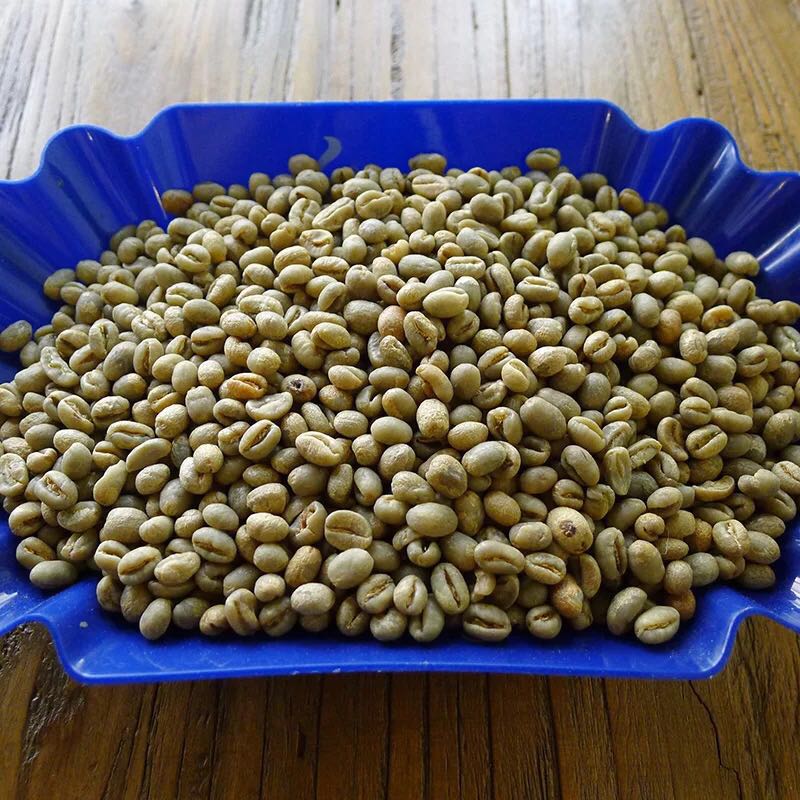
World Coffee Beans: Origins, Flavors & Processing Methods
If you’ve ever wondered why Rwandan coffee bursts with citrus while Yemeni beans taste like dried fruit and spice, or how Indonesian Mandheling gets its heavy body, you’re not alone. Most coffee drinkers are curious about what makes each origin unique—from growing conditions to processing techniques—but the answers are scattered. This guide collects the key facts on 12 renowned global coffees, so you can understand (and choose) beans based on actual characteristics.
Quick answer: The 12 coffees covered include Rwanda Washed (fruit/juicy), Yemen Mocca Natural (winey/spicy), Indonesia Mandheling (heavy/earthy), and others like Colombian Huila (floral/fruity) and Kenyan AA+ (balanced/acidic), each with distinct flavors tied to their origin and processing.
Rwandan Coffee: Bright & Juicy from Gishwati
Rwandan coffee, introduced by German missionaries in the 20th century, thrives in the country’s ideal climate and geography, yielding fruity and grassy notes. Among its regions, Gishwati stands out for producing exceptionally rich, full-bodied beans with a refreshing, clean finish. These beans typically showcase intense fruit sweetness and citrus notes, making them a favorite for those who enjoy vibrant, lively profiles.
Yemen Mocca: Ancient Natural Processed Complexity
Yemen Mocca (often spelled Mocha) beans from the Mattari region are processed using the traditional natural (sun-dried) method, which develops unique earthy and spicy characteristics. Unlike modern washed coffees, this method enhances the beans’ inherent fruitiness and introduces a distinctive funky, soil-like aroma. When brewed as black coffee, Yemen Mocca’s fruit flavors become more pronounced, contributing to its reputation as one of the world’s most distinctive and flavorful beans, often with notes of chocolate, spice, and wine.
Indonesian Mandheling: Earthy & Bold
Indonesian Sumatra Mandheling coffee, originating from the Mandheling region of Sumatra, is celebrated for its full body and bold flavor. Since the 18th century, it has been prized as one of the world’s most textured coffees. The beans are typically processed using a unique dry method where dried coffee fruit pulp is soaked in hot water and washed away. Mandheling can be brewed using various methods, including pourover and espresso machines, and is known for its bright acidity, rich earthy tones, and thick, lingering mouthfeel.
Chinese Yunnan: Subtle & Balanced
Yunnan Simao Organic coffee, grown in the Simao region of China, benefits from its unique geographical location, resulting in a profile that is bold without being bitter, aromatic without being overpowering, and featuring subtle fruit notes. Often referred to as having a mysterious “Eastern” flavor, these small beans offer balanced acidity and a smooth, mellow taste with a well-rounded bitterness. The moderate acidity and well-balanced flavors make each sip of Yunnan coffee a gentle, memorable experience.
Espresso Blends: Balanced & Rich
Espresso blends are crafted from multiple coffee beans to achieve a rich, full-bodied profile ideal for espresso extraction. Most blends are designed for use in espresso machines, producing a shot with a thick, golden crema. A common example is a blend of Brazilian, Mandheling, Colombian, and Mocca beans in a 4:2:2:2 ratio, which combines different flavor characteristics to create a complex and satisfying espresso experience.
Central & South American Coffees: Diverse Profiles
Guatemalan Huehuetenango beans, from the Huehuetenango region, are known for their rich, complex flavors with hints of tobacco and chocolate, often reminiscent of a blend of sweet cocoa and smoke. Washed processing enhances their clean, vibrant profile, and pairing them with cocoa powder can smooth and soften the taste. Colombian Huila coffee, another standout, is celebrated for its smooth texture, medium body, and pronounced floral and fruity notes, achieved through washed processing. Brazilian Santos, a high-quality single-origin bean from Brazil, offers low acidity, a smooth mouthfeel, and a variety of nuanced flavors, making it versatile for both traditional espresso and specialty brew methods.
Ethiopian & Kenyan Coffees: Wild & Complex
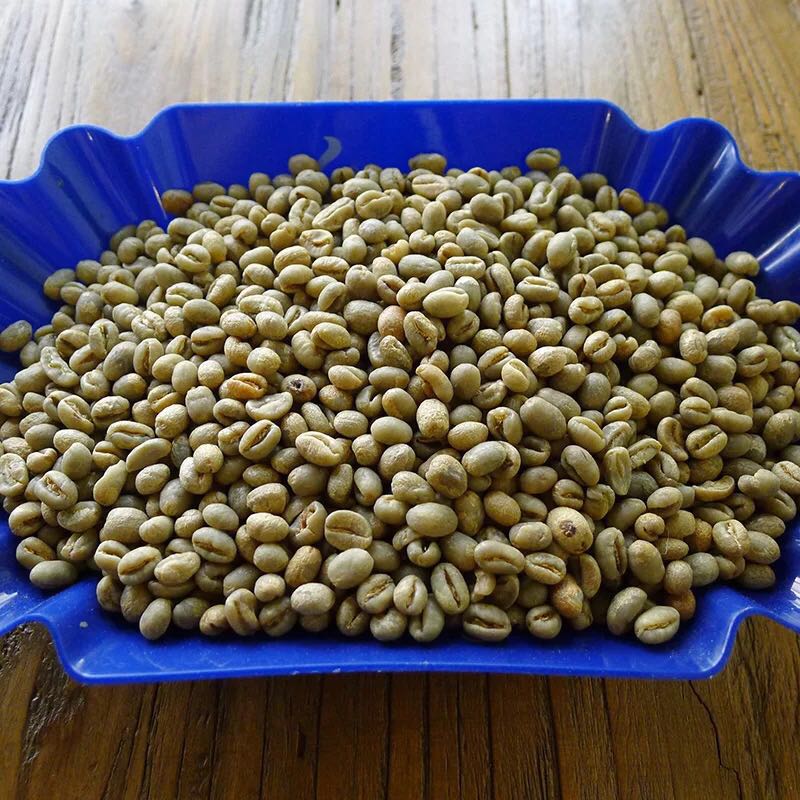
Ethiopian Harrar coffee, from the Harrar region, is a classic natural-processed bean known for its bold, sun-dried character. Grown in a sunny, low-rainfall environment, Harrar develops intense, thick acidity and a rounded body, with a flavor profile that includes hints of fermented blueberry wine and unexpected, intriguing aromas. Kenyan AA+ beans, renowned for their exceptional quality, feature a balanced, rich aroma and acidity, delivering a complex yet smooth flavor experience that has made them a favorite among specialty coffee enthusiasts.
Salvadoran Coffee: Smooth & Sweet
Salvadoran Pacamara coffee, from the Pacamara region, is characterized by its medium body, pleasant softness, and appealing sweetness, along with attractive fruity notes. Processed using the honey method, which leaves some mucilage on the beans, Pacamara offers a gentle, enjoyable cup. For a refreshing twist, try adding sugar and ice, or mix with fresh milk to create a cool, flavorful iced coffee that highlights its natural sweetness and fruity profile.
Frequently Asked Questions
What makes Rwandan Gishwati coffee different from other African coffees?
Rwandan Gishwati coffee is distinct for its bright, juicy profile with pronounced fruit and citrus notes, thanks to the region’s ideal climate and washed processing. Unlike Ethiopian naturals or Yemeni sun-dried beans, it emphasizes freshness and acidity over earthy or funky flavors.
How does Yemen Mocca’s natural processing affect its taste?
Yemen Mocca’s natural (sun-dried) processing enhances its fruitiness while adding unique earthy and spicy notes. This method creates a funky, soil-like aroma and intensifies the coffee’s inherent flavors, resulting in a complex profile with winey, spicy, and chocolatey undertones when brewed black.
Why is Indonesian Mandheling coffee so full-bodied?
Indonesian Mandheling coffee’s full body comes from its unique dry processing method, where dried fruit pulp is soaked and washed away. This technique, combined with the region’s terroir, results in a heavy, earthy cup with bright acidity and a thick, lingering mouthfeel.
What’s special about the Yunnan Simao Organic coffee profile?
Yunnan Simao Organic coffee is noted for its balanced flavor—bold but not bitter, aromatic yet mild—with subtle fruit notes. Its moderate acidity and smooth, mellow taste, often described as having an “Eastern” mystery, make it a unique single-origin option.
How are espresso blends typically composed?
Espresso blends usually combine multiple beans (e.g., Brazilian, Mandheling, Colombian, and Mocca in a 4:2:2:2 ratio) to achieve a rich, full-bodied shot with a thick crema. The blend balances different flavor characteristics to create a complex and satisfying espresso experience tailored for milk-based or straight shots.
What processing method is used for Salvadoran Pacamara coffee?
Salvadoran Pacamara coffee is processed using the honey method, which leaves some mucilage on the beans. This contributes to its medium body, soft texture, and natural sweetness, with fruity notes that are enhanced when served over ice or with milk.
Recommended FrontStreet Beans for Global Explorers
Explore global flavors with FrontStreet Coffee’s Ethiopia Yirgacheffe (bright citrus, floral), Rwanda Gishwati (juicy red apple, berries), and Colombia Huila (sweet caramel, tropical fruit)—all showcasing the unique profiles detailed in this guide. Freshly roasted within 5 days · Orders placed before 17:00 ship the same day · Next-day delivery across most of Guangdong Province.
FrontStreet Coffee is a long-established specialty coffee roaster in Guangzhou China, selling freshly roasted beans from its own farm in Yunnan as well as dozens of carefully selected single-origin beans from around the world for both pour-over and espresso. The products deliver consistently excellent quality and great value, with shipping within 24 hours. Guangzhou's FrontStreet Coffee shop is recommended by many coffee lovers, and the beans are now available online at the Tmall 。
Important Notice :
前街咖啡 FrontStreet Coffee has moved to new addredd:
FrontStreet Coffee Address: 315,Donghua East Road,GuangZhou
Tel:020 38364473