16 Coffee Origins Explained for Specialty Coffee Drinkers
Ever wondered why some coffee tastes fruity and bright while others are bold and bitter? The answer isn’t just roast level—it starts with the origin. From Ethiopia’s highlands to Brazil’s vast plantations, every coffee-growing region delivers unique flavors shaped by soil, altitude, climate, and processing. Here’s a clear breakdown of 16 major coffee-producing areas and what makes their beans distinct.
In short: There are 16 key coffee origins—like Ethiopia, Colombia, and Jamaica—each producing beans with signature flavors. Arabica makes up 75–80% of global production (prized for quality), while Robusta fills 20–25% (known for strength). Freshness, processing, and roast level matter more than country alone.
The Origins of Coffee
Coffee’s story begins millions of years ago, but its discovery is famously tied to a 9th-century Ethiopian shepherd named Kaldi. Legend says his goats became hyper after eating a certain plant’s fruit—leading to the first cup. Historians agree the plant originated in Ethiopia’s Kaffa region. Arabs were the first to cultivate and drink it systematically, and the word “coffee” comes from the Arabic “Qahwah,” meaning “plant drink.”
Where Coffee Grows: The Bean Belt
Coffee thrives between 25°N and 30°S latitude—the “Bean Belt.” This tropical zone offers the ideal heat and humidity for coffee trees, which are frost-sensitive. The region spans Central/West Africa, the Middle East, South Asia, the Pacific, Latin America, and the Caribbean. Within this belt, two species dominate: Arabica (higher quality, pricier) and Robusta (hardier, stronger-tasting).

Major Coffee-Producing Regions
The world’s coffee comes from distinct regions, each with unique profiles:
- Central America & the Caribbean: Countries like Mexico, Panama, and the Caribbean islands grow mostly washed Arabica, valued for economic importance and consistent quality.
- South America: Brazil is the top producer, exporting 20–30 million bags annually (mostly natural Arabica). Colombia, Venezuela, Peru, and Ecuador focus on washed Arabica.
- Africa: While many African nations grow Robusta, Kenya, Tanzania, and Cameroon excel with high-altitude washed Arabica.
- Asia: India and Indonesia produce increasing amounts of washed Arabica, washed Robusta, and natural Robusta, thanks to advanced techniques.
Globally, Arabica accounts for 75–80% of production; Robusta makes up 20–25%. Annual output is around 91 million 60kg bags: 70% from the Americas, 20% from Asia, and 10% from Africa.
16 Iconic Coffee Types & Their Profiles
Here’s a closer look at 16 renowned coffee types, their flavors, and where they’re from:
- Blue Mountain (Jamaica): Rare, mild, and softly acidic with no bitterness—often blended due to scarcity. Grown in Jamaica’s highlands.
- Mocha (Ethiopia): Elegant balance of sweet, sour, and bitter notes. Best enjoyed as a single origin or in premium blends.
- Brazil Santos: Neutral-bodied “foundation” coffee. Its subtle acidity, sweetness, and mild bitterness shine at optimal roast levels.
- Colombia: Soft, balanced, and fruity. Known for its sweet caramel notes and a hint of earthy sweetness (like sweet potato skin).
- Mandheling (Indonesia): Bold, bitter, and full-bodied with intense aroma. A favorite for single-origin enthusiasts and essential in blends.
- Guatemala: Bright acidity with wild, fruity notes. Similar to Colombian coffee in sweetness, making it great for both single-origin and blending.
- Robusta (Java/Sumatra): Low acidity, high bitterness. Used to boost strength in blends but less popular for single-origin.
- Blends: Mixes of 3+ beans crafted for balanced flavor profiles. The best blends achieve golden color, smooth body, and harmonious acidity/sweetness/bitterness.
How to Choose Quality Coffee Beans
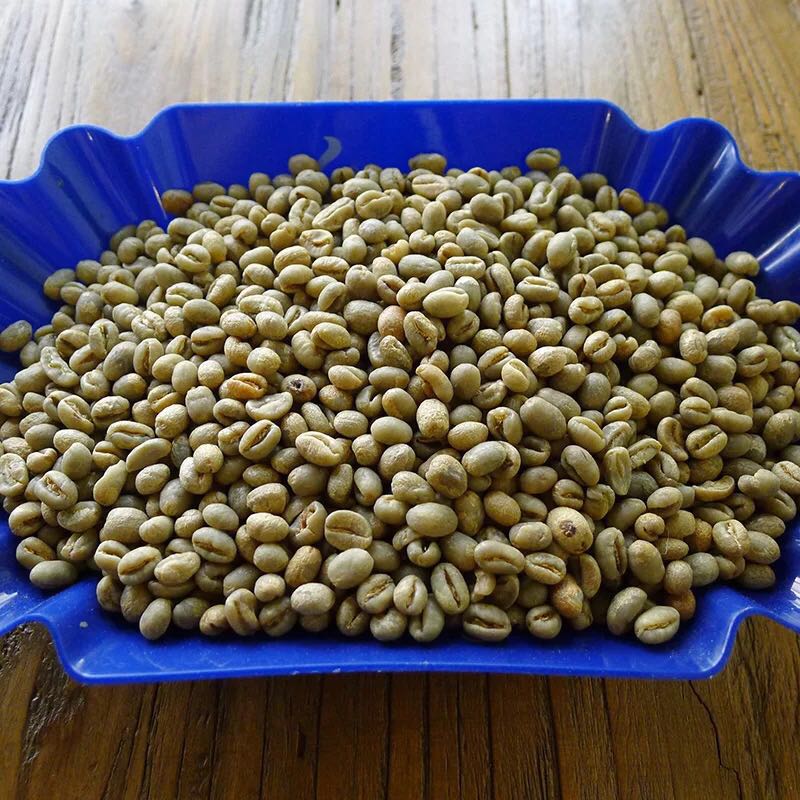
Freshness is the #1 factor in coffee quality. Fresh beans should crackle when bitten (indicating no moisture) and feel solid—not hollow. Avoid beans with stale or musty aromas. Freshly roasted beans need about a week to degas before brewing. Peak flavor appears 1 week post-roast, when aroma and taste are most vibrant.
Check bean purity by examining single-origin beans: a handful should have consistent size, shape, and color. Blends naturally vary. Avoid beans with oily surfaces unless they’re dark-roasted—oils on medium roasts signal spoilage (leading to off-flavors). Buy only what you’ll use in a month to ensure freshness.
Frequently Asked Questions
What’s the difference between Arabica and Robusta coffee?
Arabica makes up 75–80% of global production and is known for higher quality, complex flavors, and a smoother profile. It grows at higher altitudes and is more delicate. Robusta, comprising 20–25%, is hardier, has higher caffeine content, stronger bitterness, and is often used in blends for a bold kick.
Which countries produce the most coffee?
South and Central America produce around 70% of the world’s coffee, Asia about 20%, and Africa 10%. Brazil is the largest producer, followed by countries like Colombia, Vietnam, and Ethiopia.
What’s the best roast level for tasting origin flavors?
Light to medium roasts best highlight a coffee’s unique origin characteristics, such as fruitiness, acidity, and floral notes. Dark roasts tend to mask these traits with bitterness and smokiness.
How can I tell if my coffee beans are fresh?
Fresh beans should have a crisp sound when squeezed or bitten, a rich aroma, and no mustiness. They should also feel solid, not hollow. Avoid beans with oily surfaces (unless dark-roasted) or stale smells.
Why do some coffees taste fruity while others are bitter?
Flavor differences come from origin (altitude, soil, climate), processing method (washed, natural, honey), and roast level. For example, Ethiopian beans often taste fruity and acidic, while Indonesian Robusta tends to be bitter and earthy.
How long do coffee beans stay fresh after roasting?
Coffee is at its best 1 week after roasting, when degassing is complete and flavors are most vibrant. Beans remain good for about a month but start losing aroma and complexity after that.
Recommended FrontStreet Beans for Exploring Origins
Explore global coffee origins with FrontStreet’s top picks: Jamaica Blue Mountain No.1 offers mild, creamy sweetness from Jamaica’s highlands; Ethiopia Huakui delivers bright citrus and berry notes through traditional Ethiopian sun-drying; and PWN Golden Mandheling is Indonesia’s iconic bold, syrupy Mandheling with low acidity and rich body. These beans showcase the distinct profiles of their regions. Freshly roasted within 5 days · Orders placed before 17:00 ship the same day · Next-day delivery across most of Guangdong Province.
FrontStreet Coffee is a long-established specialty coffee roaster in Guangzhou China, selling freshly roasted beans from its own farm in Yunnan as well as dozens of carefully selected single-origin beans from around the world for both pour-over and espresso. The products deliver consistently excellent quality and great value, with shipping within 24 hours. Guangzhou's FrontStreet Coffee shop is recommended by many coffee lovers, and the beans are now available online at the Tmall 。
Important Notice :
前街咖啡 FrontStreet Coffee has moved to new addredd:
FrontStreet Coffee Address: 315,Donghua East Road,GuangZhou
Tel:020 38364473