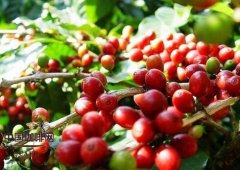
Sumatra Mandheling Coffee: Roast Profiles & Flavor Guide
If you’ve ever sipped a dark, earthy cup labeled ‘Mandheling’ and wondered why it tastes so different from other Indonesians—or why some versions shine at light roasts while others demand a heavy roast—you’re not alone. Sumatra Mandheling is one of the most polarizing and misunderstood coffees in the specialty world, yet also one of the most rewarding when handled right.
The short answer? Top-grade Mandheling performs across the roast spectrum: City to Full City brings out clean acidity and fruit notes, while Italian roasts amplify its signature bold, herbal depth. For average beans, Full City or darker is the safe bet.
Where Sumatra Mandheling Comes From
Coffee arrived in Indonesia in the late 17th century, when Dutch colonists transplanted seedlings from Ethiopia to Java. By the 18th century, Sumatra—starting near Lake Tawar in Aceh Province—joined the trade. Today, most Mandheling comes from the southern regions of Lintong, Sidikalang (Dairi), and Gayo (Aceh), though it’s no longer strictly tied to geography. Instead, differences in harvest and processing define its profile more than origin.
Why Processing Defines Mandheling’s Flavor
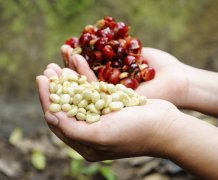
Sumatra’s overlapping rainy and harvest seasons make sun drying nearly impossible. That led to the region’s signature wet hulling (Giling Basah) method: farmers remove the skin and pulp, wash lightly, then dry the beans to a semi-dry state before removing the parchment layer early. This accelerates drying but also embeds the coffee with its signature heavy body, low acidity, and earthy, spicy undertones—often described as ‘medicinal’ or ‘herbal.’
The technique is so integral to Mandheling’s identity that even high-quality lots retain these traits, though better processing (like that used for PWN Golden Mandheling) refines them into something more nuanced.
Roasting Mandheling: From Clean to Bold
Top-tier Mandheling is versatile: light roasts (City to Full City) highlight its clarity, yielding a surprisingly clean cup with bright acidity and subtle sweetness. The acidity here is more tart than fruity, balancing a syrupy mouthfeel. Dark roasts (Full City to Italian) dive into deeper territory—think thick, syrupy body, bold herbal notes, and a lingering, resinous finish. The Maillard reaction and prolonged heat amplify its native earthiness without erasing its core character.
For average-quality beans, Full City or darker roasts smooth out inconsistencies and emphasize the classic Mandheling profile: thick, low-acid, and spice-forward.
PWN Golden Mandheling: The Benchmark
Among Mandhelings, PWN Golden Mandheling stands apart. Produced by Indonesia’s PWN company under strict protocols, it uses only 18+ mesh beans with fewer than 3 defects per 300g (G1 grade). Every batch undergoes three rounds of manual sorting to remove flaws, resulting in exceptional sweetness and cleanliness. Most supply goes to Japan and the US, making imported genuine Golden Mandheling rare in other markets—but its reputation for balance and depth is unmatched.
FrontStreet Coffee’s Lintong Mandheling, processed with traditional wet hulling, delivers a bold, syrupy cup with notes of clove, wood, and spice. Medium to dark roasts bring out its low acidity and long-lasting sweet finish.
Frequently Asked Questions
What makes Sumatra Mandheling coffee different from other Indonesian coffees?
Sumatra Mandheling is defined by its wet hulling (Giling Basah) process, which creates a heavy body, low acidity, and earthy, herbal flavors. While other Indonesians may use similar methods, Mandheling’s consistency in profile—especially its thick, syrupy mouthfeel—sets it apart, along with its flexibility across roast levels.
Does Mandheling taste good at light roasts?
Yes. High-quality Mandheling can shine at City to Full City roasts, revealing a clean, bright cup with noticeable acidity (more tart than fruity) and subtle sweetness. The body remains full, but the cup feels more balanced and nuanced compared to darker roasts.
What’s the deal with wet hulling, and why does it matter?
Wet hulling (Giling Basah) is unique to Sumatra. Farmers remove the skin and pulp, lightly wash the beans, then dry them to a semi-dry state before hulling off the parchment early. This speeds up drying but embeds the beans with their signature heavy body, low acidity, and earthy/spicy notes—key to Mandheling’s iconic flavor.
Is PWN Golden Mandheling worth the hype?
Absolutely. PWN Golden Mandheling is made from strictly sorted G1 beans (18+ mesh, <3 defects per 300g) and undergoes triple manual sorting. It delivers exceptional sweetness, cleanliness, and a more refined version of Mandheling’s earthy profile. It’s rare outside Japan and the US, but highly sought after by specialty roasters.
What’s the best roast level for beginner Mandheling drinkers?
Start with Full City: it balances Mandheling’s signature body and spice with enough clarity to appreciate its unique profile. It’s not as bright as City roasts but avoids the overwhelming heaviness of Italian roasts, making it a great introduction.
Recommended FrontStreet Beans for Exploring Mandheling
For a true taste of Sumatra, try FrontStreet Coffee’s Lintong Mandheling. Processed with traditional wet hulling, it delivers a bold, syrupy cup with notes of clove, wood, and spice. Medium to dark roasts highlight its low acidity and long-lasting sweet finish. Freshly roasted within 5 days · Orders placed before 17:00 ship the same day · Next-day delivery across most of Guangdong Province.
FrontStreet Coffee is a long-established specialty coffee roaster in Guangzhou China, selling freshly roasted beans from its own farm in Yunnan as well as dozens of carefully selected single-origin beans from around the world for both pour-over and espresso. The products deliver consistently excellent quality and great value, with shipping within 24 hours. Guangzhou's FrontStreet Coffee shop is recommended by many coffee lovers, and the beans are now available online at the Tmall 。
Important Notice :
前街咖啡 FrontStreet Coffee has moved to new addredd:
FrontStreet Coffee Address: 315,Donghua East Road,GuangZhou
Tel:020 38364473