
Colombia Hope Estate Geisha Natural: AA Top Coffee
What makes Colombian Geisha stand out among today’s most celebrated specialty coffees? For decades, many Colombian farms chased volume, not flavor. But not Hope Estate. Over a decade ago, when the government pushed disease-resistant, high-yield varieties, this farm bet everything on a then-obscure Ethiopian heirloom: Geisha. The result? A legacy built on science, terroir, and an uncompromising approach to quality.
The Colombia La Esperanza Geisha Natural comes from Hope Estate in Cauca Valley, grown at 1,800 metres above sea level using the natural process. This single-origin coffee delivers distinct notes of berries, honey, vanilla, and juicy sweetness. It’s an AA Top-grade lot that showcases the full potential of Geisha outside Panama.
The Backstory: Why Hope Estate Planted Geisha
In the early 2000s, while most Colombian farms focused on quantity, Rigoberto Herrera—owner of Hope Estate—saw an opportunity in Geisha, the variety that put Panama’s Hacienda La Esmeralda on the map. After Panamanian producers won global acclaim, many farms tried to grow it, but Colombia had no access to the variety. So Herrera sent his lead plant scientist, Hernando Tapasco, to Panama to study Geisha cultivation firsthand.
Tasco rented a farm neighboring La Esmeralda in Boquete and spent a year learning every detail. By December 2006, Hope Estate purchased land in Cauca Valley’s Cerro Azul, where climate and altitude closely resembled Boquete’s. Originally planted with Caturra, the estate’s 20 hectares at 1,700–1,950m were earmarked for something more ambitious.
Planting Challenges and Survival Against the Odds
In September 2007, Hope Estate planted 35,000 Geisha trees in Cerro Azul. But two months later, a large portion died—victims of cold winds many believed made the site unsuitable. Herrera’s own brother wanted to abandon the crop and switch to grazing land. But Rigoberto insisted on replanting and added windbreaks to protect the young trees. The gamble paid off: the Geisha survived and thrived.
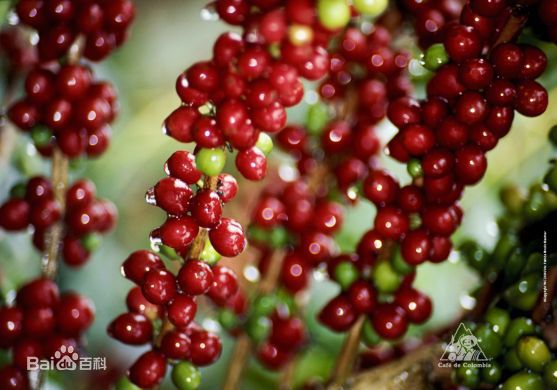
The proof came in the 2012 harvest season. The Cerro Azul Geisha placed second in the Cup of Excellence (COE)—the prestigious annual competition run by the Specialty Coffee Association of America. Even more impressively, three Geisha lots from Hope Estate’s farms claimed three of the top ten spots: second, third, and seventh place. That year marked an unprecedented “three-peat” for the estate.
Hope Estate Today: Science, Scale, and Sensory Innovation
Hope Estate isn’t just one farm—it’s a network. The Herrera brothers now manage six estates across Colombia and Panama, covering 213 hectares. Their flagship in Colombia, Cerro Azul, sits in the Cauca Valley amid eight unique microclimates formed by three mountain ranges. This diversity allows rigorous experimentation with processing methods, varieties, and terroirs. Every stage—from nursery to export—is tracked using 95 data points.
The team includes a PhD plant scientist, three professional cuppers, and 100 full-time staff. They operate a central processing mill where each Geisha batch is tagged and processed separately. Geisha cherries are dried on raised beds for three days of pre-drying before being moved to drying towers. Only 5,000–7,000 of the 40,000–45,000 Geisha trees on Cerro Azul produce beans worthy of the Cerro Azul brand.
Hernando Tapasco’s team runs a weather station to guide harvest decisions. Data is collected weekly and analyzed to refine processing choices. Harvesters are salaried by the day—not by weight—to avoid unripe cherry picking. Most have over six years’ experience. Fermentation and drying protocols vary by microclimate and variety, ensuring optimal expression for each.
Beyond Geisha, Hope Estate experiments relentlessly. Their plantings include over a dozen varieties: organic Caturra, Bourbon (red, yellow, Tekisik), Pacas, Typica, Pache, Sidra, Maragogype, and more. Each is treated with the precision of a fine wine estate selecting grape clones. Their commitment to single-variety excellence extends to post-harvest innovation.

The estate also applies wine-industry terminology, using terms like Grand Cru and Reserve to denote top lots. For example, AAA Reverse Geisha refers to two of the seven Geisha variants grown at Cerro Azul (at 1,800–2,000m), considered the highest quality. Processing methods are tailored to each Geisha phenotype based on accumulated research.
Awards and Recognition: Proving the Vision Right
Hope Estate’s early bets paid off. In 2008, their Panamanian leased farm, La Cardeida, scored 93.16 at the Best of Panama competition. In 2012, Hope Estate’s three Geisha farms swept the COE top ten: Cerro Azul (2nd), Las Margaritas (3rd), and Buenos Aires (7th). The 2011 US Cup of the Year (COTY) saw Hope Estate’s Geisha take first place—an astonishing feat for a Colombian-grown Geisha.
The story of Geisha in Colombia started with a single farm’s belief. What began as an improbable experiment in the Cauca highlands is now a global benchmark. The Colombia La Esperanza Geisha Natural isn’t just another lot—it’s the result of over a decade of research, risk-taking, and sensory refinement.
Frequently Asked Questions
Where is Hope Estate located and what is its altitude?

Hope Estate’s main Geisha farm, Cerro Azul, is located in Colombia’s Cauca Valley at 1,800 metres above sea level. The estate spans 20 hectares between 1,700–1,950m elevation, with a climate influenced by warm air rising from the valley and cool Pacific air currents.
How did Hope Estate start growing Geisha in Colombia?
When the Colombian government promoted high-yield, disease-resistant coffee varieties, Hope Estate owner Rigoberto Herrera chose to focus on Geisha instead. He sent his plant scientist to Panama to study the variety, and in 2006 purchased land in Cauca Valley, where he planted 35,000 Geisha trees in 2007 despite early setbacks.
What makes the 2012 Cup of Excellence win significant for Hope Estate?
In 2012, Hope Estate achieved three top-ten finishes in the COE: second place with Cerro Azul Geisha, third with Las Margaritas, and seventh with Buenos Aires. This was the first time one group secured three of the top ten spots, proving the estate’s ability to consistently produce elite Geisha.
How does Hope Estate process its Geisha coffee?
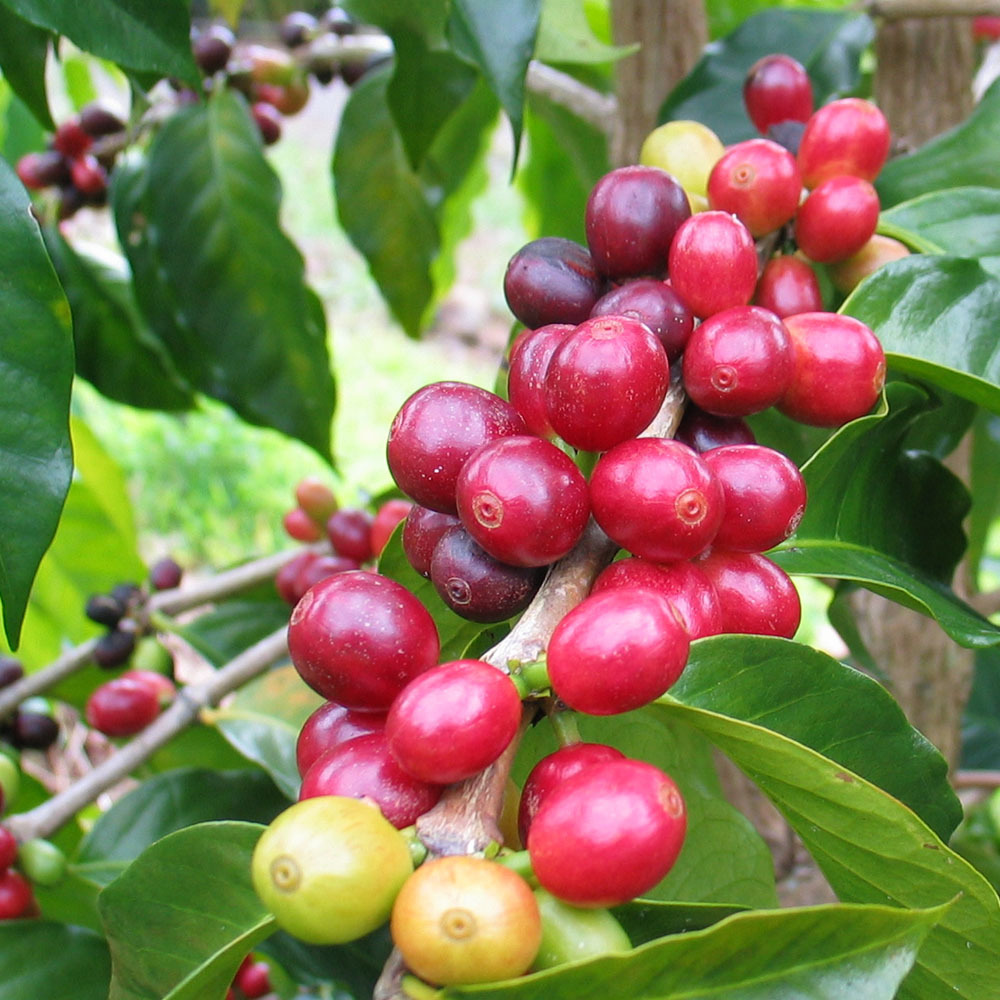
The Colombia La Esperanza Geisha Natural is processed using the natural (dry) method. Cherries are dried on raised beds for three days before being transferred to drying towers. Only select trees are chosen for the final brand, with rigorous quality control separating premium lots.
What other coffee varieties does Hope Estate grow besides Geisha?
Besides Geisha, Hope Estate cultivates over a dozen varieties including organic Caturra, multiple Bourbon types (red, yellow, Tekisik), Pacas, Typica, Pache, Sidra, Maragogype, and more. Each variety is tested across different microclimates and processed uniquely.
How is quality controlled at Hope Estate?
Quality control starts in the field and continues through processing. Geisha cherries are handpicked only when ripe, harvesters are salaried by the day, and every batch is separated and tracked using 95 data points. Only 5,000–7,000 of Cerro Azul’s 40,000–45,000 Geisha trees produce exportable beans.
Recommended FrontStreet Coffee Geisha & SOE Beans
FrontStreet Coffee offers several single-origin options that highlight the qualities of high-elevation, natural-processed Geisha and other standout SOE beans. Their La Esperanza-style counterpart is the FrontStreetGrana GeishaSOE, a natural-process Ethiopian Geisha with bright acidity, juicy body, and fermentation-driven berry notes—ideal for fans of juicy, tea-like Geisha profiles. For a nuttier contrast, try the FrontStreetSOE, a high-altitude Brazilian with chocolatey depth and creamy texture. Also consider the FrontStreetSOE, an Ethiopian-derived Geisha with bold berry and citrus notes, full body, and smooth crema, perfect for both filter and milk drinks. Freshly roasted within 5 days · Orders placed before 17:00 ship the same day · Next-day delivery across most of Guangdong Province.
FrontStreet Coffee is a long-established specialty coffee roaster in Guangzhou China, selling freshly roasted beans from its own farm in Yunnan as well as dozens of carefully selected single-origin beans from around the world for both pour-over and espresso. The products deliver consistently excellent quality and great value, with shipping within 24 hours. Guangzhou's FrontStreet Coffee shop is recommended by many coffee lovers, and the beans are now available online at the Tmall 。
Important Notice :
前街咖啡 FrontStreet Coffee has moved to new addredd:
FrontStreet Coffee Address: 315,Donghua East Road,GuangZhou
Tel:020 38364473


