How Coffee Growing Methods Affect Flavor
Ever wondered why coffee from some regions tastes so much better than others? The secret isn’t just in the roast or brew — it starts with how and where the coffee is grown, and how the beans are picked. From flowering to fruit ripening, every step shapes your cup.
To grow great-tasting coffee, farmers must pick only ripe cherries — usually just two pounds per tree per harvest. But poor harvesting methods, like shaking trees or stripping all fruit at once, ruin both quality and yield. The right techniques matter more than you think.
What Determines Coffee Flavor Before Roasting?
The flavor potential of coffee is locked in long before roasting. It begins with the coffee tree’s growing conditions — especially temperature, altitude, and soil — and continues through careful farming and selective harvesting. Each factor influences sweetness, acidity, and aroma.
How Coffee Trees Grow and Fruit
Coffee trees are surprisingly productive yet delicate. A single healthy tree can flower and fruit multiple times per year. Its white, jasmine- and orange-like blossoms appear briefly — often just for two or three days — before falling, leaving behind a sweet lingering scent.
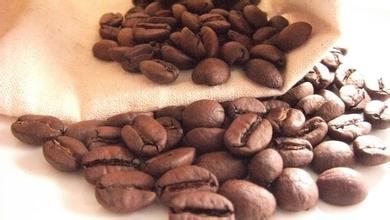
Soon after, small green fruits form, gradually turning yellow, then red or deep red, and finally almost black when fully ripe. Each tree produces, on average, just two pounds of coffee beans per year. The cherries don’t all ripen at once — flowers, unripe and ripe fruits can coexist on the same branches, which is why pickers must return again and again to the same tree to find truly ripe cherries.
How Coffee Is Harvested — And Why It Matters
How coffee is picked has a huge effect on the final cup quality. In well-managed farms, workers hand-pick only the bright red, fully ripe cherries. This labor-intensive method ensures only the best beans are collected.
But in lower-grade production areas, especially in parts of Africa and Brazil, shortcuts are taken. Some farmers shake the trees to drop all the fruit onto the ground, then collect the cherries before they rot. In major Brazilian coffee regions focused on volume, workers often strip entire branches — leaves, flowers, and all fruits, ripe or not — at once. This brutal method damages the tree for up to two years and mixes unripe beans with ripe ones, lowering overall quality.
Why Ripeness Is Everything
Ripeness is critical. Underripe beans are hard and lack sweetness; overripe ones can taste fermented or moldy. In Jamaica, bats are said to help indicate ripeness — they feed on the juicy pulp of ripe cherries at night. When the bats come, it’s time to pick.
Coffee cherries typically shift from green to yellow, then orange or red, and finally a deep red or near-black when they’re ready. Only perfectly ripe cherries contain the balanced sugars and acids that become complex flavors in your cup.
Frequently Asked Questions
How many coffee beans does one tree produce per year?
A single healthy coffee tree produces an average of just two pounds (approximately one kilogram) of coffee beans per year. This low yield is why high-quality coffee requires careful farming and selective harvesting.
Why is selective picking important for coffee quality?
Selective picking — harvesting only fully ripe cherries by hand — ensures that only the best beans are collected. Unripe or overripe cherries ruin flavor balance, sweetness, and acidity, leading to a lower-quality cup.
What happens when coffee trees are stripped of all their fruit at once?
When coffee trees are stripped of all leaves, flowers, and fruits at once — as in some Brazilian regions — the tree is severely stressed. It can take up to two years to recover, and the mixed harvest of unripe and ripe beans reduces overall coffee quality.
How does ripeness affect coffee bean flavor?
Ripeness directly impacts flavor. Underripe beans taste grassy and lack sweetness, while overripe beans can develop fermented or rotten off-flavors. Only perfectly ripe cherries produce the balanced, complex profiles sought in specialty coffee.
Do coffee flowers affect the taste of coffee?
Coffee flowers themselves don’t affect the taste of the beans, but their brief blooming indicates the start of the fruit development cycle. Their sweet, jasmine-like fragrance fades quickly, usually within two or three days, as the tree shifts focus to forming coffee cherries.
Recommended FrontStreet Coffee for Single-Origin Lovers
Explore the nuanced flavors of well-grown single-origin beans with FrontStreet Coffee’s Ethiopia Yirgacheffe and Honduras Finca La Esperanza. The Ethiopia Yirgacheffe offers bright citrus, floral notes, and a tea-like body — a classic example of high-altitude finesse. For something more balanced, try the Honduras lot with its sweet caramel and mild nuttiness, grown with careful harvesting practices. Both showcase how terroir and picking methods shape your cup. Freshly roasted within 5 days · Orders placed before 17:00 ship the same day · Next-day delivery across most of Guangdong Province.
FrontStreet Coffee is a long-established specialty coffee roaster in Guangzhou China, selling freshly roasted beans from its own farm in Yunnan as well as dozens of carefully selected single-origin beans from around the world for both pour-over and espresso. The products deliver consistently excellent quality and great value, with shipping within 24 hours. Guangzhou's FrontStreet Coffee shop is recommended by many coffee lovers, and the beans are now available online at the Tmall 。
Important Notice :
前街咖啡 FrontStreet Coffee has moved to new addredd:
FrontStreet Coffee Address: 315,Donghua East Road,GuangZhou
Tel:020 38364473