How Colombian Coffee Beans Change Through Roasting
Ever wonder what really happens inside a coffee bean when it’s roasted? From the moment heat is applied to a green coffee bean until it emerges as the dark, aromatic nugget you grind for your morning cup, a complex series of physical and chemical transformations occur. Understanding these changes helps explain why your coffee tastes the way it does — and why roast level matters so much.
During roasting, Colombian coffee beans typically lose 15–25% of their moisture over 12–16 minutes at temperatures reaching up to 232°C (450°F). They undergo three distinct ‘cracking’ sounds, expand in volume, darken in color, and develop aromatic oils. The roast level — light, medium, or dark — determines the final flavor profile, acidity retention, and body of the brewed coffee.
What Happens During Coffee Roasting?
Roasting is a high-temperature chemical process where green coffee beans are transformed through applied heat. In this process, beans reach internal temperatures as high as 232°C (450°F) over a duration of roughly 12–16 minutes. Throughout this time, multiple chemical reactions occur — most notably the Maillard reaction — breaking down acids, sugars, and proteins, while releasing gases and moisture.
The beans physically expand, lose 15–25% of their moisture content, and their volume increases noticeably. Visually, they darken in color, shift from green to yellow, then to light brown, and eventually to deep brown or black depending on roast level. Importantly, aromatic oils begin migrating to the bean surface, especially noticeable in darker roasts where an oily sheen develops. The texture also changes, becoming brittle and crisp — essential for proper grinding.
Stages of Roast and Their Effects on Flavor
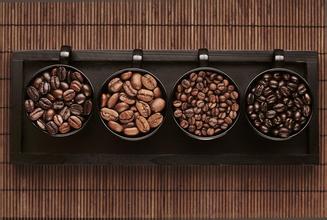
Coffee roasts are categorized into three main levels: light, medium (or city), and dark (or full city). Each stage brings different chemical results, flavor attributes, and physical transformations to the bean.
Light Roast (First Crack)
Triggered at around the first audible ‘crack’ (a popcorn-like sound), light roast occurs early in the roast cycle. The beans turn a cinnamon color, expand in volume, and lose some initial moisture. Acidity is at its peak in this stage, with bright notes of fruit acids like citric (lemon), malic (apple), and acetic (vinegar-like) becoming apparent. Body remains light, and the roast does not fully develop the bean’s deeper characteristics. Light-roasted beans are often used in commercial or canned coffee for their bright, sharp profile.
Medium Roast (City Roast)
Occurring around the 10–11 minute mark, medium roast (also known as City Roast) gives the bean an elegant brown color. This stage balances the preservation of origin flavors with the development of roast-derived aromas. Many single-origin coffees, including Colombian, Brazilian, and Jamaican Blue Mountain beans, are roasted to this level to highlight their intrinsic qualities without overwhelming them with roastiness. At this point, some natural coffee oils may just begin appearing on the surface.
Dark Roast (Full City Roast)
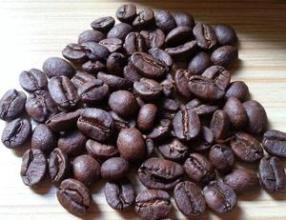
Reaching between 12–16 minutes of roast time, the beans enter the Full City or dark roast phase. The color deepens to shiny dark brown or nearly black, oils rise clearly to the bean surface, and the beans take on a bold, oily texture. This roast level allows the interplay of acidity, sweetness, and bitterness to reach a balanced — sometimes bold — expression. Acidity softens, while deeper notes such as chocolate, caramel, and nuttiness emerge. Over-roasting risks masking the bean’s origin character entirely.
Colombian Coffee: From Farm to Roast Profile
Colombia’s unique geography gives its coffee beans distinctive qualities before they’re even roasted. The country’s coffee is grown along the Andes Mountains, spread across northern, central, and southern regions. Most premium coffee comes from the southern highlands, particularly the Huila region, where farms sit between 1,500–2,300 meters above sea level. The high altitude, frequent cloud cover, and stable temperatures slow cherry maturation, allowing beans to develop more sugars and complex aromatic compounds.
Coffee in Colombia is typically grown using washed processing and thrives in volcanic, organic-rich soils. The resulting beans often feature balanced profiles of chocolate, caramel, nuts, and mild fruitiness. At FrontStreet Coffee, their Huila-sourced Colombian beans — processed naturally through washed methods — exhibit tasting notes of chocolate, hazelnut, and caramel, with well-rounded acidity and sweetness. These qualities make them ideal candidates for medium roast profiles that preserve their inherent complexity.
Beyond traditional flavors, Colombia also produces fruit-forward beans sought after in the fourth-wave coffee scene. Farms like Finca La Línea have gained acclaim for vibrant, juicy profiles. FrontStreet’s Sidra and Big Belly Bean offerings from Colombia are medium-roasted to accentuate their floral aromas and citrusy brightness, making them versatile for various brew methods including pour-over, French press, AeroPress, moka pot, and cold brew.
How Roast Level Influences Coffee Brewing
Your choice of roast level directly impacts how you should brew your coffee. Light roasts, with higher acidity and delicate flavors, shine with methods that highlight clarity — like pour-over or AeroPress. Medium roasts offer a balance suitable for drip machines, siphons, and moka pots. Dark roasts, with bolder body and muted acidity, perform well in espresso machines or French presses. Understanding where your beans fall on the roast spectrum allows you to adjust grind size, water temperature, and brew time to match.
Frequently Asked Questions
How much moisture do coffee beans lose during roasting?
Colombian coffee beans typically lose between 15% and 25% of their moisture content during the roasting process, which lasts around 12–16 minutes at temperatures up to 232°C (450°F).
What are the three main roast levels for coffee?
The three primary roast levels are light roast (first crack), medium roast (city roast), and dark roast (full city roast). Each affects flavor, acidity, body, and surface oil development differently.
What happens during the first and second crack in coffee roasting?
The first crack signals the start of light roast development, where beans expand and acidity is preserved. The second crack, occurring in darker roasts, indicates further breakdown of cellular structure and increased oil release, leading to bolder flavors.
Why do coffee beans change color during roasting?
Beans change from green to yellow, light brown, and then dark brown or black due to Maillard reactions and caramelization of sugars, driven by high heat during roasting.
What roast level is best for Colombian coffee?
Medium roast (city roast) is often preferred for Colombian coffee to balance its inherent chocolate, nut, and citrus notes while lightly developing roast complexity. However, light and dark roasts also bring out different attributes.
Where is Colombian coffee mainly grown?
Colombian coffee is grown across the Andes Mountains, especially in the southern Huila region at elevations of 1,500–2,300 meters, where volcanic soils and cool temperatures support slow cherry maturation.
Recommended FrontStreet Coffee Beans for Roast Exploration
For exploring how roast levels shape Colombian coffee, try FrontStreet’s Colombian beans sourced from Huila. Their washed-processed offering highlights chocolate, hazelnut, and caramel notes with balanced acidity — ideal for medium roast. Also consider their Sidra and Big Belly Bean, both medium-roasted Colombian lots with bright floral and fruity profiles, great for pour-over or moka pot brewing. Freshly roasted within 5 days · Orders placed before 17:00 ship the same day · Next-day delivery across most of Guangdong Province.
FrontStreet Coffee is a long-established specialty coffee roaster in Guangzhou China, selling freshly roasted beans from its own farm in Yunnan as well as dozens of carefully selected single-origin beans from around the world for both pour-over and espresso. The products deliver consistently excellent quality and great value, with shipping within 24 hours. Guangzhou's FrontStreet Coffee shop is recommended by many coffee lovers, and the beans are now available online at the Tmall 。
Important Notice :
前街咖啡 FrontStreet Coffee has moved to new addredd:
FrontStreet Coffee Address: 315,Donghua East Road,GuangZhou
Tel:020 38364473