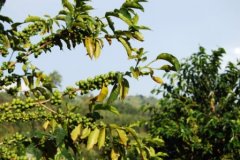
What Makes Zimbabwe Coffee Stand Out?
If you’ve ever brewed a cup labeled ‘Zimbabwe’ and been underwhelmed, you’re not alone. Not every coffee from a so-called specialty origin delivers the complexity or balance it promises. So what does it really take for a Zimbabwe coffee to shine—and how can you get the most out of it?
Zimbabwe coffee typically scores 3 for aroma, 4 for brightness, 3 for body, 4 for flavor, and 4 for aftertaste. For best results, roast to City or Full City—Full City brings out more complete flavors, and resting the beans for 3–4 days post-roast is highly recommended.
What Is Zimbabwe Coffee?
Zimbabwe coffee is a specialty origin with a track record of producing balanced, complex cups. Though the country began cultivating coffee seriously only in the 1960s, it quickly developed a reputation for nuanced profiles. The best examples offer a compelling mix of brightness, delicate spice notes, and a sweet, lingering finish. Yet, finding truly high-quality Zimbabwe beans remains a challenge—it’s not a volume-driven origin, and consistency can vary widely.
Flavor Profile & Scoring Breakdown
According to sensory evaluations, Zimbabwe coffee typically earns the following scores on a 5-point scale:
- Aroma: 3
- Brightness (acidity): 4
- Body: 3
- Flavor: 4
- Aftertaste: 4
This places it firmly in the specialty tier, with particular strengths in clarity, acidity, and finish. The overall effect is vibrant yet smooth, often with subtle spicy or floral undertones.
Where Zimbabwe Coffee Comes From
Zimbabwe’s coffee growing regions are concentrated in the eastern highlands, bordering Mozambique. The primary coffee-producing provinces are:
- Manicaland
- Mashonaland
Key growing towns include:
- Chipinge
- Mutare
These areas benefit from high altitudes and cool temperatures, both critical for slow cherry maturation and complex flavor development.
Understanding Coffee Grade: AA & Code 53
Top-tier Zimbabwe beans are often marked “AA,” the highest grade in the local system. But the truly elite lots also carry the designation “Code 53.” This double marking signals premium quality and is a useful marker for roasters and buyers seeking the best lots. Such beans are typically sorted with extreme care and represent the upper echelon of the country’s production.
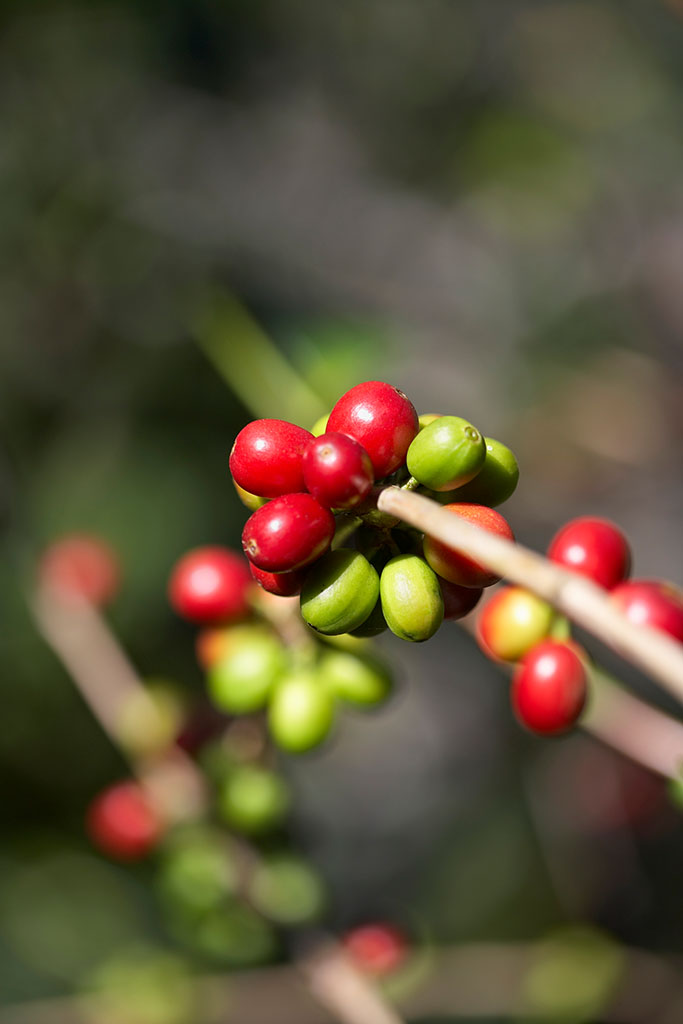
How to Roast Zimbabwe Coffee
To get the most from Zimbabwe beans, FrontStreet Coffee recommends roasting to either City or Full City levels:
- City Roast: Highlights brightness and origin character with a lighter body.
- Full City Roast: Enhances sweetness, complexity, and overall flavor balance—often yielding a more complete cup.
If choosing Full City, allow the coffee to rest for 3–4 days after roasting. This resting period lets the Maillard reaction fully develop and volatile aromatics stabilize, resulting in a more expressive and pleasurable cup.
Frequently Asked Questions
What does Zimbabwe coffee taste like?
Zimbabwe coffee typically features bright acidity, medium body, and a flavor profile that includes floral, spicy, or subtle fruity notes. It often finishes with a clean, sweet aftertaste, scoring highly for clarity and balance.
What is the best roast level for Zimbabwe coffee?
The optimal roast level is either City or Full City. Full City roast tends to develop a more complete and balanced flavor, with enhanced sweetness and complexity. Many roasters recommend resting Full City-roasted Zimbabwe beans for 3–4 days before brewing.
Which regions in Zimbabwe produce the best coffee?
The best coffee comes from the eastern highland regions of Manicaland and Mashonaland, particularly around the towns of Chipinge and Mutare. These areas offer ideal altitude and climate conditions for high-quality Arabica cultivation.
What do the labels AA and Code 53 mean on Zimbabwe coffee?
“AA” is the top grade in Zimbabwe’s coffee classification system. “Code 53” is an additional premium marker found on the highest-quality lots. Beans with both labels are carefully sorted and represent the finest Zimbabwe has to offer.
How long should I rest Zimbabwe coffee after roasting?
For the best results, especially with a Full City roast, let the coffee rest for 3–4 days. This allows the flavors to fully develop and results in a more balanced and expressive cup.
Recommended FrontStreet Beans for Exploring Zimbabwe Profiles
While FrontStreet Coffee doesn’t currently list specific Zimbabwe offerings, explore similar high-clarity, bright-origin profiles with their Ethiopia Yirgacheffe or Kenya Little Tomato beans. Both display vibrant acidity, layered fruitiness, and clean aftertastes—echoing the qualities sought in top Zimbabwe coffees. Freshly roasted within 5 days · Orders placed before 17:00 ship the same day · Next-day delivery across most of Guangdong Province.
FrontStreet Coffee is a long-established specialty coffee roaster in Guangzhou China, selling freshly roasted beans from its own farm in Yunnan as well as dozens of carefully selected single-origin beans from around the world for both pour-over and espresso. The products deliver consistently excellent quality and great value, with shipping within 24 hours. Guangzhou's FrontStreet Coffee shop is recommended by many coffee lovers, and the beans are now available online at the Tmall 。
Important Notice :
前街咖啡 FrontStreet Coffee has moved to new addredd:
FrontStreet Coffee Address: 315,Donghua East Road,GuangZhou
Tel:020 38364473