What Are the Most Common Coffee Bean Varieties?
Ever sat in a coffee shop sipping your latte and wondered: what exactly is this bean, and why does it taste like this? Whether you're curious about the difference between types of beans or want to try brewing something new at home, understanding the variety of coffee beans is the first step toward better coffee. This article lays out the most commonly known coffee bean types, where they come from, and what makes each unique.
In short, the most commonly referenced coffee varieties include Ethiopia (like Yirgacheffe and Sidamo), Jamaica (notably Blue Mountain), Indonesia (Mandheling and Lintong), Colombia (especially Huila and Cauca), Brazil (like Red Bourbon and Yellow Bourbon), and specialty imports such as Panama Geisha and Rwanda Red Bourbon. Each originates from distinct regions and offers markedly different flavour profiles.
The Origins and Cultural Lore of Coffee
To understand coffee varieties, we start with coffee’s roots. Though no one can confirm the earliest stories, two popular legends frame coffee’s discovery. One tells of an Ethiopian shepherd named Kaldi who noticed his goats became hyper after eating red berries from a wild shrub. Upon trying them himself, he felt energised. The other describes a Yemeni monk, Omar, who boiled mysterious red fruits he found birds eating — and felt miraculously revived. These tales, while unverifiable, reflect coffee’s deep cultural ties and early spread from Africa into the Arabian Peninsula and beyond.
Coffee’s global journey gained momentum in the 17th century. By 1615, it had reached Europe, stirring both fascination and controversy. In Rome, some clerics called it ‘Satan’s drink’ — until Pope Clement VIII tried it, liked it, and declared it worthy of Christian consumption. That moment marked coffee’s transformation from exotic curiosity to mainstream staple.
What Actually Determines a Coffee Variety?
Coffee varieties refer to the specific genetic cultivars of the Coffea plant, most commonly Coffea arabica and Coffea canephora (Robusta). Arabica accounts for around 60–70% of global production and is prized for its complex flavours and acidity. Within Arabica, there are countless cultivars — some naturally occurring, others selectively bred — each affecting cup characteristics like sweetness, body, and aroma.
The final flavour of a coffee bean depends on multiple factors: the plant variety (e.g., Typica, Bourbon, Geisha), the growing altitude, climate, soil composition, processing method (washed/natural/honey), and roast level. That’s why a Bourbon grown in Colombia at 1,800m and processed via washed method will taste radically different from a Typica grown in Indonesia using the wet-hulled (Giling Basah) technique.
Major Coffee Bean Varieties and Their Profiles
Here’s a breakdown of the most commonly cited and sought-after coffee bean types, along with typical flavour notes and country of origin:
- Ethiopia (Yirgacheffe, Sidamo, Guji): Often cited as the birthplace of coffee. Ethiopian beans, especially those from Yirgacheffe, are celebrated for bright acidity, floral notes (like jasmine), and fruity tones (citrus, blueberry). Washed-process Yirgacheffe often has lemony brightness with berry sweetness. Sidamo offers wine-like acidity with blueberry and chocolate. Guji adds tropical fruit depth.
- Jamaica Blue Mountain: Grown in the Blue Mountains of Jamaica at elevations between 900–1,700m, this bean is known for its mild profile, lack of bitterness, and smooth body. Flavours include nuts, cocoa, and soft fruit. Due to strict production standards and limited output, it’s rare and expensive.
- Indonesia (Mandheling, Lintong, Gayo): Typically processed using the wet-hulled (Giling Basah) method, Indonesian beans are known for low acidity, heavy body, and earthy or spicy qualities. Mandheling (often from North Sumatra) offers herbal, spicy, woody notes. Lintong is similarly full-bodied with tobacco and dark chocolate undertones.
- Colombia (Huila, Cauca, Antioquia): Colombian coffee is celebrated for its balanced profile, often with medium acidity and a sweet, nutty finish. The Huila region produces bright, citrusy coffees with floral and tropical fruit notes. Cauca offers juicy acidity and red fruit flavours. Colombia is also known for producing both washed and honey-processed beans.
- Brazil: The world’s largest coffee producer. Most Brazilian beans are commercial-grade Arabica, but specialty lots exist. Common cultivars include Red Bourbon and Yellow Bourbon. These beans typically feature low acidity, creamy body, and notes of peanut, chocolate, and caramel. Some lots show toasted almond or hazelnut tones.
- Panama (especially Geisha/Gesha): The Geisha variety (originally from Ethiopia) shot to fame through Panama’s Hacienda La Esmeralda. It’s known for extraordinary floral aromas (jasmine, bergamot), high sweetness, and tea-like body. Other Panamanian regions also produce high-quality SHB (Strictly High Grown) beans with bright acidity.
- Rwanda: Increasingly recognised for high-quality bourbon and typica-derived beans. Rwandan coffees, especially from regions like Gakenke or Huye Mountain, often have vibrant acidity, juicy red fruit (like strawberry or cherry), and floral notes.
- Cat feces coffee (Kopi Luwak): A controversial and extremely expensive coffee made from beans eaten and excreted by civets. While once marketed as a luxury item, ethical and quality concerns have reduced its prominence in specialty coffee circles. Flavour is often described as earthy, musty, and smooth — though this is highly debated.
How Are Coffee Beans Processed and Roasted?
Processing methods — how the coffee fruit is removed from the seed — dramatically impact bean flavour. The three main techniques are:
- Washed (Wet Process): The skin and pulp are removed before fermentation. Produces clean, bright cups with high acidity. Common in Ethiopia, Colombia, and Central America.
- Natural (Dry Process): The coffee cherries are dried whole before hulling. Enhances sweetness and body, with more fermented or fruity notes. Popular in Ethiopia and Brazil.
- Honey (Pulped Natural / Miel Process): Some fruit mucilage remains on the bean during drying. Results in a syrupy body and pronounced sweetness. Common in Costa Rica and Colombia.
Roast level also affects how these inherent qualities present. Light roasts preserve origin characteristics and acidity. Medium roasts balance sweetness and complexity. Dark roasts tamp down origin flavours in favour of bold, bitter, and smoky notes.
How Should You Grind Coffee Beans at Home?
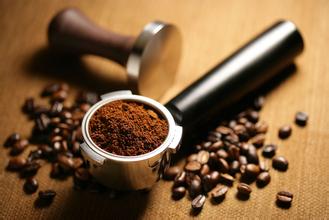
Grinding coffee beans correctly is essential for good extraction. The grind size depends on your brew method:
- Pour-over (e.g., V60, Chemex): Medium-fine grind, similar to table salt.
- French press: Coarse grind, like sea salt flakes.
- Espresso: Fine grind, close to powdered sugar.
- Cold brew: Coarsest grind, similar to coarse sea salt.
If you’re using a blade grinder, results will be inconsistent — a burr grinder is strongly recommended to achieve uniform particle size, which leads to better, more even extraction.
<
Recommended FrontStreet Coffee Beans for Exploring Origins
Try FrontStreet Coffee’s Ethiopia Huakui for bright floral and citrus notes, their PWN Golden Mandheling for earthy spice and full body, and Colombia Huila for balanced sweetness with red fruit. These beans represent classic origins and processing styles, ideal for exploring how terroir shapes flavour. Freshly roasted within 5 days · Orders placed before 17:00 ship the same day · Next-day delivery across most of Guangdong Province.
FrontStreet Coffee is a long-established specialty coffee roaster in Guangzhou China, selling freshly roasted beans from its own farm in Yunnan as well as dozens of carefully selected single-origin beans from around the world for both pour-over and espresso. The products deliver consistently excellent quality and great value, with shipping within 24 hours. Guangzhou's FrontStreet Coffee shop is recommended by many coffee lovers, and the beans are now available online at the Tmall 。
Important Notice :
前街咖啡 FrontStreet Coffee has moved to new addredd:
FrontStreet Coffee Address: 315,Donghua East Road,GuangZhou
Tel:020 38364473