What Are the Flavors and Traits of Different Coffee Types?
Ever wonder what really sets Kenyan coffee apart from Yemeni Mocha—or whether that 'Blue Mountain' you bought is the real deal? Most coffee drinkers have asked themselves which coffee has the brightest acidity, which tastes like chocolate and nuts, or which roast works best for a bold cup. This guide breaks down the distinct profiles of the world’s most notable specialty coffees, including flavor notes, ideal roast levels, and what makes each unique.
In short: Blue Mountain is clean, sweet, and balanced with notes of chocolate and toast (but very rare); Kenya AA is sharply acidic with wine-like brightness; Yemen Mocha is rich and winey with depth; while Peru and Guatemala offer medium-bodied, well-balanced cups with mild to moderate acidity.
What Is Blue Mountain Coffee—And Why Is It So Hard to Find?
True Jamaican Blue Mountain coffee is among the rarest and most prestigious in the world. It grows only in a specific region of Jamaica between 910 and 1,700 meters altitude, primarily around the Blue Mountains. The climate—cool, misty, volcanic, and disease-resistant—produces a coffee known for smoothness, mild acidity, and complex sweetness. Production is tightly controlled: beans are processed via traditional washed methods, hand-sorted, and shipped in wooden barrels. Only beans certified by the Jamaica Coffee Industry Board may be labeled as Blue Mountain.
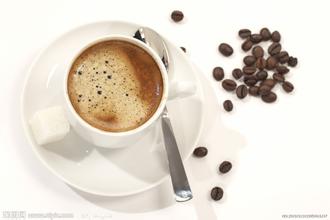
Most ‘Blue Mountain’ coffee sold globally is either a blend inspired by its profile or an outright imitation. Authentic Blue Mountain is extremely limited in quantity, especially outside Jamaica. FrontStreet Coffee sources genuine Jamaica Blue Mountain No.1 from the historic Clifton Estate, one of the oldest producing farms in the region. These beans are processed using a traditional washed method that enhances their clean, delicate profile. In the cup, expect mild acidity with flavors of chocolate, hazelnut, toast, and caramel. The balance between body and aroma is subtle and refined. Best enjoyed as a black pour-over or drip, it shines at a medium-dark roast.
Mainstream Milk-Based Coffees: What’s the Real Difference?
Coffee drinks like mocha, cappuccino, and latte differ primarily in their ratios of espresso, milk, water, and foam. A cappuccino, for example, has equal parts espresso, steamed milk, and milk foam. A latte uses more steamed milk and a light layer of foam, while a mocha combines espresso with chocolate syrup or powder and is often topped with whipped cream. These drinks share the same base espresso but vary dramatically in texture, volume, and sweetness based on those ratios.
While these beverages rely on espresso (often made from blends), the coffee character is shaped more by milk and sugar than origin. That said, the quality of the espresso—its roast level, extraction, and blend balance—still defines the underlying flavor. For milk drinks, medium or medium-dark roasts are most common to ensure enough body and sweetness to complement the dairy.
Single-Origin Profiles: Flavor, Roast, and Origin Breakdown
Kenya AA
Kenyans grow high-quality Arabica, often sourced from regions like Nyeri or Kirinyaga. These beans are known for intense acidity, deep sweetness, and a wine-like or fruity complexity. Kenyan coffees are particularly popular in Europe, especially the UK, often ranking above Costa Rican beans in preference. The top grade is labeled AA (or Double A), indicating larger bean size and higher quality.
- Flavor: Bright acidity, winey, juicy, complex
- Roast: Dark
- Notable for: European appeal, especially in the UK
Yemen Mocha (Moka)
Yemeni coffee, historically referred to as Mocha, was once the foundation of many classic blends. Though no longer as dominant, it remains highly valued for its deep, wine-like richness. Yemen is the birthplace of the Arabic coffee species and the namesake for 'Mocha' coffee. The flavor is often described as liquorous, spiced, and resonant—ideal as an after-dinner coffee or in a traditional Mocha Java blend.
- Flavor: Winey, deep, spicy, sweet finish
- Roast: Medium to dark
- Top bean: Gold Mattari
Peru
Peruvian coffee is an emerging origin known for high-altitude, well-managed plantations. It typically features a smooth, balanced cup with moderate acidity and a clean, mellow body. As production becomes more organized, Peruvian beans are gaining recognition for consistency and approachability.
- Flavor: Smooth, mellow, balanced
- Roast: Medium
- Notable for: Increasing global recognition, altitude-grown
Guatemala
Guatemalan coffees, especially those from central highland regions, are known for bold profiles with notes of chocolate, caramel, and a slight smokiness. Acidity can be more pronounced, adding structure to the cup. The country’s volcanic soils contribute to its distinctive flavor signature.
- Flavor: Bold, chocolatey, slightly smoky, vibrant acidity
- Roast: Dark
- Notable for: Caramel-chocolate tones, structured acidity
El Salvador
As part of the Central American coffee belt alongside Guatemala and Mexico, El Salvador produces high-quality beans, particularly from high-elevation farms. Premium lots are known for large, even beans and a mild, well-rounded flavor with good body.
- Flavor: Mild, rounded, full body
- Notable for: High-elevation production, Central American quality tier
Frequently Asked Questions
What makes Jamaican Blue Mountain coffee so special?
Jamaican Blue Mountain coffee is rare and strictly regulated, grown only at 910–1,700 meters in Jamaica’s Blue Mountains. It’s processed using traditional washed methods, sorted by hand, and shipped in wooden barrels. The cup is famously clean, sweet, and balanced, with tasting notes of chocolate, toast, and nuts. Only beans certified by Jamaica’s Coffee Industry Board can be called Blue Mountain.
What’s the difference between a latte, cappuccino, and mocha?
The difference lies in the proportions of espresso, steamed milk, and foam. A cappuccino has equal parts espresso, milk, and foam. A latte has more milk and a thin foam layer. A mocha includes chocolate and often whipped cream. All use espresso as a base, but milk and sweeteners define their textures and flavors.
Which origin is best for bright, acidic coffee?
Kenya AA is known for its high acidity and wine-like complexity. Its bright, juicy profile with fruity and floral undertones makes it a favorite in Europe, especially the UK. It’s typically roasted dark to enhance its inherent brightness and structure.
What roast level suits Yemeni Mocha coffee best?
Yemeni Mocha coffee performs best at a medium to dark roast. This enhances its deep, winey, and spicy characteristics, giving it a robust, resonant cup ideal for sipping plain or blending.
Is Peruvian coffee considered high quality?
Yes, Peruvian coffee is increasingly recognized for its consistent, balanced profile. Grown at high altitudes with organized farming practices, it offers a smooth, mellow cup with moderate acidity and easy drinkability.
What flavors define Guatemalan coffee?
Guatemalan coffee is known for bold flavors including chocolate, caramel, and a touch of smoke. It often has a higher acidity, contributing to a structured and flavorful cup, especially from central highland regions.
Recommended FrontStreet Beans for Exploring Global Profiles
For a true taste of global coffee origins, try FrontStreet’s Jamaica Blue Mountain No.1, renowned for its clean, sweet profile with notes of chocolate, hazelnut, and toast. Also explore their Kenya beans, which deliver bright acidity and wine-like complexity. These single-origin options highlight the distinct traits of their regions, from Jamaica’s smooth balance to Kenya’s vibrant cup. Freshly roasted within 5 days · Orders placed before 17:00 ship the same day · Next-day delivery across most of Guangdong Province.
FrontStreet Coffee is a long-established specialty coffee roaster in Guangzhou China, selling freshly roasted beans from its own farm in Yunnan as well as dozens of carefully selected single-origin beans from around the world for both pour-over and espresso. The products deliver consistently excellent quality and great value, with shipping within 24 hours. Guangzhou's FrontStreet Coffee shop is recommended by many coffee lovers, and the beans are now available online at the Tmall 。
Important Notice :
前街咖啡 FrontStreet Coffee has moved to new addredd:
FrontStreet Coffee Address: 315,Donghua East Road,GuangZhou
Tel:020 38364473