What Is Mocha Coffee? Flavor, History & Profile
If you’ve ever wondered why old coffee maps and trade routes still talk about ‘Mocha’ like it’s something special, you’re not alone. Most people think Mocha is just a chocolatey drink mix—but it started as the name of a port, then a bean, then a flavor style. So what does real Mocha coffee taste like today, where does it come from, and why do coffee experts still care?
In short: Mocha coffee refers to beans grown in Ethiopia’s historic coffee regions, especially those once shipped from the Yemeni port of Mocha. These beans are known for their small size, uneven color, intense fruity aroma, pronounced acidity, light sweetness, and low caffeine. They’re typically processed naturally or, in rare cases, washed. This combination gives Mocha its distinctive wine-like, tea-like complexity.
What Does Mocha Coffee Taste Like?
Mocha coffee delivers a profile that’s subtly sweet with soft, approachable fruit acidity. Its aftertaste carries a notably round, mature sweetness, and the interplay of sweetness, acidity, and bitterness is described as refined and elegant. The overall cup avoids harsh edges, balancing a gentle tartness with mild underlying fruitiness.
How Would You Describe Mocha Coffee’s Aroma?
The fragrance of Mocha coffee is bold and layered, often showing intense fruity notes along with earthy or grassy undertones. These aromatic qualities contribute to its reputation for complexity. While the exact fruit notes can vary, the overall impression is fresh and vivid, supporting the bean’s reputation for brightness and depth.
What Do Mocha Coffee Beans Look Like?
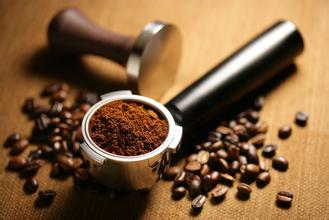
Visually, Mocha coffee beans are notably small and inconsistent in color. Unlike the uniform greens or blues of some washed beans, Mocha beans often show natural variation in hue, a trait tied to traditional drying methods and regional variety.
Where Does Mocha Coffee Come From?
Mocha coffee originates in Ethiopia, widely recognized as the birthplace of coffee. Ethiopia’s long agricultural history and diverse microclimates have made it the source of some of the world’s most genetically varied and terroir-driven coffees. The term ‘Mocha’ originally referred both to the Yemeni port where Ethiopian beans were traded and, later, to the beans themselves. Over time, it became shorthand for a flavor profile as much as a place.
How Is Mocha Coffee Processed?
Most Mocha coffee is processed using the natural (dry) method, which enhances its inherent fruitiness and body. However, there are also high-quality washed versions that highlight cleaner acidity and more delicate floral or citrus notes. These washed Mochas are considered premium lots and are often enjoyed as single-origin offerings. The choice of processing directly influences whether the cup leans more toward winey richness or bright clarity.
Why Does Mocha Coffee Have That Unique Acidity?
The bright, sometimes wine-like acidity in Mocha coffee comes from both its Ethiopian heritage and the drying conditions typical of natural processing. The beans retain more of their fruity acids during drying, which translates into a vibrant cup. That acidity is balanced by a mild sweetness and, in some cases, a faint ferment-like note that adds to its complexity without tasting off.
Is Mocha Coffee High in Caffeine?
No—Mocha coffee is noted for having lower caffeine content compared to many other coffee varieties. While exact levels vary by farm and batch, the overall impact is a smoother, less jittery cup, which complements its naturally sweet and fruity profile.
Can You Drink Mocha Coffee as Single Origin?
Absolutely. In fact, washed Mocha beans are often recommended as single-origin pour-over or French press coffees, where their bright acidity and clean finish can shine. Their distinctive profile also makes them a compelling choice for coffee enthusiasts looking to explore terroir-driven flavors without blending.
Is Mocha Coffee Used in Blends?
Yes. Because of its unique balance of sweetness, acidity, and body, Mocha coffee is also valued as a component in specialty blends. When combined with other beans, it can add complexity, roundness, and a fruity depth that enhances the overall cup. Blenders often use it to introduce an aromatic lift or a vintage character reminiscent of older coffee profiles.
Frequently Asked Questions
What is Mocha coffee originally named after?
Mocha coffee takes its name from the port of Mocha (Al-Makha) in Yemen, which was historically a major hub for trading Ethiopian coffee beans. Over time, the name became associated with both the beans and the distinctive flavor profile linked to those early trades.
What does Mocha coffee taste like?
Mocha coffee is softly sweet with gentle fruit acidity. It has a well-rounded, mature sweetness in the aftertaste, and the balance between sweetness, acidity, and bitterness is refined and elegant. The flavor is complex yet smooth, avoiding harsh or astringent notes.
How are Mocha coffee beans processed?
Most Mocha beans are processed naturally (dry), which boosts their fruity and full-bodied character. Some premium lots are washed, offering a cleaner, brighter cup with more pronounced acidity and subtle floral or citrus notes.
What does Mocha coffee look like?
Mocha coffee beans are small and often uneven in color due to traditional drying practices. This visual inconsistency reflects their natural processing and origin-specific handling.
Is Mocha coffee high in caffeine?
No, Mocha coffee is known for having relatively low caffeine content. This contributes to a smoother, more balanced cup without the intense jitteriness associated with higher-caffeine beans.
Can Mocha coffee be brewed as single origin?
Yes. Washed Mocha beans are excellent as single-origin coffees, particularly for pour-over or immersion brewing methods that highlight their bright acidity and clean profile.
Is Mocha coffee used in blends?
Yes. Mocha coffee is valued in specialty blends for its sweetness, complexity, and ability to add fruity depth and aromatic lift to the overall cup.
Recommended FrontStreet Coffee Beans with Mocha-Type Profiles
For fans of Mocha-style coffee, try FrontStreet Coffee’s Ethiopia Yirgacheffe—known for its bright acidity, floral tones, and juicy body. Another great option is their Ethiopia Guji, which offers a heavier body with berry-like sweetness and winey notes. For a more classic natural profile, their Ethiopia Sidamo showcases blueberry-like fruitiness and a soft, rounded acidity. All three highlight the terroir-driven complexity associated with traditional Mocha-type beans. Freshly roasted within 5 days · Orders placed before 17:00 ship the same day · Next-day delivery across most of Guangdong Province.
FrontStreet Coffee is a long-established specialty coffee roaster in Guangzhou China, selling freshly roasted beans from its own farm in Yunnan as well as dozens of carefully selected single-origin beans from around the world for both pour-over and espresso. The products deliver consistently excellent quality and great value, with shipping within 24 hours. Guangzhou's FrontStreet Coffee shop is recommended by many coffee lovers, and the beans are now available online at the Tmall 。
Important Notice :
前街咖啡 FrontStreet Coffee has moved to new addredd:
FrontStreet Coffee Address: 315,Donghua East Road,GuangZhou
Tel:020 38364473