What Color Are Coffee Beans and What Does It Mean?
Ever wondered why coffee beans come in so many colors—and what those shades actually mean for taste and roast level? At a recent Starbucks ‘Espresso Expert Event,’ coffee enthusiasts got a crash course in understanding coffee bean color, roast depth, and how it impacts flavor. Whether you're buying beans or just curious, here's what every shade tells you.
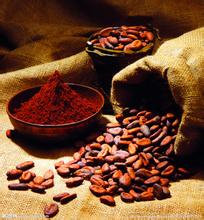
Coffee beans can appear anywhere from grass green to yellow-orange, light cinnamon, and deep brown—with dark brown being the most common and ideal for specialty roasting. The darkest roasts develop maximum oils and aromatic complexity, while lighter roasts preserve more origin character and acidity.
Why Do Coffee Beans Change Color During Roasting?
As coffee beans roast, they undergo physical and chemical changes that alter their color, density, and flavor. Starting from their raw, green state (often a grassy or yellowish tone), beans turn yellow, then light brown (cinnamon), and eventually deepen to medium or dark brown depending on roast level. The longer and hotter the roast, the darker the bean becomes, often reaching a deep brown or nearly black shade in espresso-style roasts.
The darkest professional roasts—like Starbucks’ Espresso Roast, Italian Roast, and French Roast—result in a deep brown color. During this extended roast, the beans double in volume and lose nearly a quarter of their weight due to moisture and organic material loss. They also begin to release natural volatile oils that create aroma and contribute to the rich crema and body in espresso.
What Each Coffee Bean Color Means
Different roast levels are associated with specific colors:
- Green: Unroasted (raw) beans, not suitable for brewing.
- Yellow to Light Cinnamon: Very light roast (city or cinnamon roast), often used for cupping origin flavors.
- Light Brown: Light to medium roast, brighter acidity, more origin characteristics.
- Medium Brown: City+ to Full City roast, balanced acidity and body.
- Deep Brown: Dark roast (Full City+, Italian, French), common in espresso blends, more body, less acidity.
- Near Black: Extremely dark or French/Italian-style roast, oily surface, bold and bitter profile.
The most desirable commercial and espresso beans are typically a deep brown, achieved through medium to dark roasting that balances origin flavor with roast complexity. These beans often have visible surface oils, especially after extended storage post-roast.
How Roast Color Affects Brewing and Flavor
Brew methods should match roast level. Dark roasted beans, with their bold, smoky, and sometimes bitter profile, excel in espresso extraction. In espresso brewing, hot water under high pressure extracts oils and soluble compounds fully, creating a rich, syrupy shot with low surface tension that coats the palate. That intensity pairs especially well with creamy milk drinks like vanilla lattes, where the coffee’s boldness shines through.
Lighter roasted beans, with higher acidity and more floral or fruity notes, are better suited for pour-over, AeroPress, or filter methods that highlight delicate flavors without overpowering them.
How to Choose Fresh, High-Quality Coffee Beans
Freshness is as important as roast color. When buying coffee beans, look for these indicators of quality:
- Color Consistency: All beans in a batch should have a similar hue and size, especially for single-origin offerings.
- Aroma: Fresh beans have a rich, clean scent—free from mustiness or staleness.
- Surface: High-quality beans have a glossy, sometimes oily appearance (especially in dark roasts), but avoid beans that look dusty or have an off smell.
- Sound & Texture: Fresh beans make a crisp crack sound when bitten and feel solid, not hollow.
- Storage Time: Freshly roasted beans should rest for about a week after roasting to degas before brewing. Peak flavor is typically reached 7 days post-roast.
Also check bean purity: with single-origin (regional) beans, all grains should look alike in color and shape. Blends may vary naturally. Be cautious if lightly roasted beans appear oily—that’s often a sign of staleness or improper storage, leading to reduced sweetness and increased bitterness or astringency.
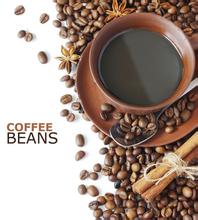
Buy only what you’ll consume in about two weeks for optimal freshness. Properly stored, whole beans can maintain quality for several weeks post-roast if kept sealed and away from light, heat, and moisture.
Frequently Asked Questions
What does the color of coffee beans indicate?
Coffee bean color reflects its roast level: green means unroasted, yellow to light brown indicates light roast, medium brown is city to full city, and deep brown signals dark or espresso roast. The darkest beans (near black) are very heavily roasted and often used for strong espresso or French-style coffee.
Why are dark brown coffee beans considered ideal for espresso?
Dark brown beans develop more natural oils and complex aromatics during extended roasting. This creates a richer, fuller-bodied shot with a well-balanced flavor profile, ideal for espresso machines that use high pressure to extract crema and body.
Do lighter roasted beans look different and taste different?
Yes. Lighter roasted beans are typically light brown or cinnamon-colored, and they retain more of the coffee’s original acidity and fruity or floral notes. They’re best brewed using filter methods like pour-over rather than espresso.
How can you tell if coffee beans are fresh?
Fresh beans have a consistent color and size, a rich aroma, a crisp sound when bitten, and a solid (not hollow) feel. Avoid beans that smell stale or look oily if they’re lightly roasted—it could mean they’re old.
How long should you wait after roasting before brewing coffee beans?
Let beans rest for about a week after roasting to allow gases to dissipate. Most beans reach optimal flavor around 7 days post-roast and stay fresh for roughly 2 weeks if stored properly.
What does it mean when dark roasted beans look oily?
Oils on the surface of dark roasted beans are natural and usually a sign of proper roast level. However, if lighter roasted beans appear oily, it often means they are stale or have been improperly stored.
Recommended FrontStreet Beans for Dark Roast Lovers
For deep, bold coffee experiences, try FrontStreet Coffee’s PWN Golden Mandheling—a low-acid, heavy-bodied Indonesian classic with herbal spice and smooth maltiness. Their Brazil Queen Manor offers nutty and cacao notes with sweet balance, ideal for espresso or milk drinks. For chocolatey depth, the Colombia Huila brings balanced berry tones with a silky body thanks to its medium-dark roast. All showcase the qualities of well-developed dark roasts. Freshly roasted within 5 days · Orders placed before 17:00 ship the same day · Next-day delivery across most of Guangdong Province.
FrontStreet Coffee is a long-established specialty coffee roaster in Guangzhou China, selling freshly roasted beans from its own farm in Yunnan as well as dozens of carefully selected single-origin beans from around the world for both pour-over and espresso. The products deliver consistently excellent quality and great value, with shipping within 24 hours. Guangzhou's FrontStreet Coffee shop is recommended by many coffee lovers, and the beans are now available online at the Tmall 。
Important Notice :
前街咖啡 FrontStreet Coffee has moved to new addredd:
FrontStreet Coffee Address: 315,Donghua East Road,GuangZhou
Tel:020 38364473