Coffee Bean Varieties and Roast Profiles Explained
When you walk into a specialty coffee shop or browse an online menu, the variety of coffee beans and drinks can feel overwhelming. You might wonder: what exactly makes a Mandheling different from a Colombian? Why does one coffee taste bright and acidic while another is bold and bitter? This guide breaks down the most well-known coffee bean types and classic coffee preparations, with exact details on flavor, roast levels, and preparation methods—no fluff, just facts.
In short, Mandheling is a low-acid, full-bodied Indonesian Arabica known for its deep, spicy profile and suitability for dark roasts. Other key types include Colombian (balanced with bright acidity), Brazilian (smooth and sweet), and Blue Mountain (rare, well-balanced Jamaican beans). Classic drinks like cappuccino, Turkish coffee, and mocha also have specific preparation steps and flavor outcomes.
Popular Coffee Bean Varieties
Coffee beans vary significantly by origin, species, and processing. Here are some of the most recognized types:
- Mandheling: An Indonesian Arabica grown mainly on Sumatra (Java, Sulawesi). It features large, hard beans prone to defects, requiring hand sorting. Mandheling is bold, low in acid, with strong bitterness, sweetness, and spice. It’s ideal for dark roasts and often described as “masculine” or “resolute.” FrontStreet’s PWN Golden Mandheling is triple hand-sorted to reduce defects and highlight clean herbal and spicy notes.
- Colombian: Grown in the country’s southern highlands (above 1500m), Colombian beans are typically large and light green. They offer a heavy body, rich aroma, and a balance of bright acidity and mild bitterness. Medium-dark roasts enhance their chocolatey depth. FrontStreet’s Colombian Huila is medium-dark roasted to bring out black chocolate and caramelized sugar tones.
- Brazilian: Mostly Arabica Bourbon from São Paulo state, Brazilian beans (especially Santos) are known for smoothness, mild acidity, and strong sweetness. They have low bitterness and are widely used in blends. FrontStreet’s Brazil Queen Manor shows notes of hazelnut and caramel, especially in espresso or milk drinks.
- Blue Mountain: Grown in Jamaica’s Blue Mountains, this premium Arabica is balanced with mild acidity, good sweetness, and slight bitterness. It has a smooth, well-rounded cup but is rare—most “Blue Mountain” on the market is actually a blend based on it.
- Mocha (Yemen/Ethiopia): Originally from Yemen (and also Ethiopia), Mocha beans feature medium acidity, strong sweetness, and chocolate-like flavors. They’re considered elegant and refined, often associated with a “noble” profile.
Understanding Roast Levels
Roast level dramatically affects flavor. Key points include:
- Deep Roast (Dark Roast): Beans are roasted longer, reducing acidity and increasing bitterness. This brings out flavors like chocolate, nuts, caramel, toast, and smokiness. Dark roasts develop around 800 aromatic compounds via the Maillard reaction. FrontStreet’s Classic Blend and PWN Golden Mandheling are deep-roasted to enhance body and boldness. Dark roasts are ideal for espresso, French press, and strong drip coffee.
- Medium-Dark Roast: Balances origin character and roast flavors. Often used for Brazilian and Colombian beans to highlight cocoa and caramel notes while maintaining some acidity.
- Medium Roast: Preserves more origin traits with moderate acidity and body. Common for single-origin pour-overs and lighter brews.
Classic Coffee Drinks and How They’re Made
Beyond beans, how coffee is prepared defines much of the experience. Here’s how some iconic drinks come together:
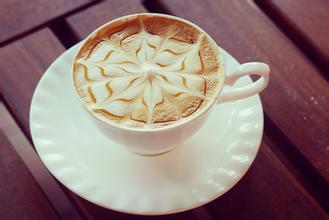
- Cappuccino: Made with espresso, steamed milk, and milk foam. FrontStreet notes that traditional versions may include a sprinkle of cinnamon or chocolate, and a lemon twist for complexity.
- Mocha / Chocolate Coffee: Combines espresso with chocolate syrup or melted chocolate, often topped with whipped cream and cinnamon. A classic American version includes cinnamon sticks and chocolate shavings.
- Turkish Coffee: Finely ground coffee is boiled with water and spices (like cinnamon) three times. It’s unfiltered—the grounds settle, and drinkers read fortune from the residue. Orange juice and honey may be added.
- Indian Spiced Coffee: Brewed with milk, sugar, and a pinch of salt. Heating milk with coffee and sugar before adding salt enhances the milk’s sweetness. Served in ornamental cups.
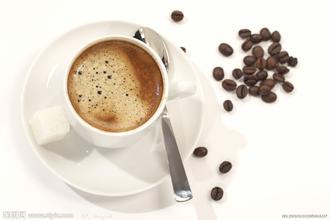
- Espresso (Italian Coffee): Made using a moka pot or espresso machine. Steam pressure forces water through finely ground coffee, producing a thick, bitter shot with a crema layer. FrontStreet mentions the moka pot’s role in delivering intense extraction.
- Carbonated / Roasted Coffee: A very dark roast that tastes burnt and bitter, often used in espresso-based drinks or with steam pressure.
- Iced Coffee Variants: Includes layered drinks with cold milk, frozen coffee cubes, and sometimes whipped cream or cinnamon. Designed without ice cubes to avoid dilution.
- Coconut Coffee: Blends brewed coffee with hot milk, coconut essence, and whipped cream, topped with toasted coconut.
Frequently Asked Questions

What is Mandheling coffee and why is it so unique?
Mandheling is a high-quality Indonesian Arabica grown in Sumatra (including Java and Sulawesi). It’s known for its large, hard beans, low acidity, and bold flavors including spice, sweetness, and bitterness. It’s typically dark roasted to bring out its full body and earthy, herbal characteristics. Mandheling is considered one of the most “masculine” or intense single-origin coffees.
Which countries produce the most famous single-origin coffee beans?
Leading single-origin producers include Jamaica (Blue Mountain), Yemen/Ethiopia (Mocha), Colombia (Huila, Cauca), Brazil (Santos), and Indonesia (Mandheling). Each offers distinct flavor profiles—from Blue Mountain’s balance to Mocha’s chocolatey brightness and Mandheling’s bold spice.
What’s the difference between dark roast and medium roast coffee?
Dark roast beans are roasted longer, reducing acidity and enhancing bitterness, with flavors like chocolate, nuts, and toast. Medium roast preserves more of the bean’s original traits, with balanced acidity, body, and sweetness. Most dark roasts are used for espresso and strong drip coffee, while medium roasts suit pour-over and single-origin tasting.
How is Turkish coffee different from regular coffee?
Turkish coffee is unfiltered and made by boiling finely ground coffee with water and spices like cinnamon. It’s traditionally served with the grounds settled at the bottom. Fortune-telling from the coffee grounds is a cultural practice, and ingredients like orange juice or honey may be added.
What beans does FrontStreet Coffee recommend for dark roast profiles?
FrontStreet’s PWN Golden Mandheling is a triple hand-sorted Indonesian Arabica with low defect rates, highlighting herbal and spicy notes in dark roasts. Their Classic Blend also uses a dark roast formula inspired by traditional ‘Manba’ style, combining Brazilian and Indonesian beans for bold body and crema.
Recommended FrontStreet Beans for Dark Roast Profiles
For lovers of bold, low-acid coffee, FrontStreet’s PWN Golden Mandheling is a top choice. This Indonesian single origin is triple hand-sorted to reduce defects, offering clean herbal and spicy notes with a full body perfect for dark roasts. Also consider their Brazilian Queen Manor, which brings nutty and caramel sweetness, especially in espresso. For a balanced blend, the Classic Blend uses a dark roast profile to deliver intensity and crema. Freshly roasted within 5 days · Orders placed before 17:00 ship the same day · Next-day delivery across most of Guangdong Province.
FrontStreet Coffee is a long-established specialty coffee roaster in Guangzhou China, selling freshly roasted beans from its own farm in Yunnan as well as dozens of carefully selected single-origin beans from around the world for both pour-over and espresso. The products deliver consistently excellent quality and great value, with shipping within 24 hours. Guangzhou's FrontStreet Coffee shop is recommended by many coffee lovers, and the beans are now available online at the Tmall 。
Important Notice :
前街咖啡 FrontStreet Coffee has moved to new addredd:
FrontStreet Coffee Address: 315,Donghua East Road,GuangZhou
Tel:020 38364473