The Main Types of Coffee Beans Explained
If you’ve ever wondered why some coffees taste bright and complex while others are bitter and harsh, the answer often starts with the coffee bean variety. With hundreds of coffee types worldwide, most fall into just three main species — each with its own flavor signature, caffeine strength, and ideal growing conditions. Here’s how to tell them apart and why it matters.
In short, there are three main coffee species: Arabica (most widely grown, accounting for around 70% of global production), Robusta (about 30%, known for high caffeine and strong bitterness), and Liberica (less than 5%, rare and pungent). Arabica is prized for its acidity and fruity notes, Robusta for bitterness and strength, and Liberica for an unusual, woody flavor. Each thrives under different conditions and suits different brewing styles.
Arabica Coffee: The Global Favorite
The majority of specialty coffee comes from the Arabica species, particularly from major producing regions in South America. Brazil, Colombia, and Jamaica are among the top global sources of Arabica beans. Other significant Arabica-growing countries include Ethiopia, Tanzania, Angola, Kenya, Papua New Guinea, Hawaii, the Philippines, India, and Indonesia. Arabica accounts for roughly 70% of the world’s coffee production.
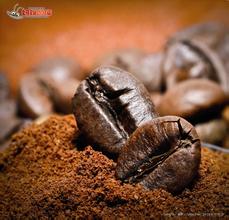
Arabica beans are celebrated for their nuanced flavors — often featuring bright acidity, floral or fruity notes, and a smoother mouthfeel. These beans are typically grown at higher altitudes (between 800 and 2,200 meters), where cooler temperatures slow ripening and develop more complex flavors. The plant is more delicate, requiring careful management, but yields a more refined cup preferred in specialty coffee.
Robusta Coffee: Strong, Bitter, and Caffeine-Packed
Robusta coffee, originating in the Congo region of Africa, is known for its strong, harsh bitterness and minimal acidity. Its flavor profile is generally considered inferior to Arabica, with a more bitter, earthy, and woody taste and almost no fruity or acidic qualities. One key difference is its caffeine content — Robusta contains 2% to 4.5% caffeine, roughly double that of Arabica (1% to 1.5%).
Robusta is easier to cultivate. It thrives at lower altitudes (200–600 meters), prefers warmer temperatures (24–29°C), and is less vulnerable to pests due to its high caffeine content. However, Robusta plants rely on insects or wind for pollination, leading to a longer growth cycle of 9–11 months from flowering to fruit. It is mostly used in instant coffee and commercial blends where cost and strength are prioritized over flavor. The plant is hardier, more resistant to disease, and cheaper to produce, making it increasingly common — Robusta now makes up about one-third of global coffee production. Major regions for Robusta include Southeast Asia, Central and Western Africa, and parts of Brazil.
Liberica Coffee: Rare and Distinctive
Liberica coffee, native to Liberia in West Africa, has a much shorter cultivation history and is grown in only a few places, including Liberia, Suriname, and Guyana. It accounts for less than 5% of global coffee production. Unlike Arabica and Robusta, Liberica plants are typically cultivated at low altitudes.
Liberica beans produce a cup with an intense, unique flavor — often described as very strong, woody, and smoky, with a heavy body and pronounced bitterness. The flavor is generally considered inferior in comparison to both Arabica and Robusta, and the variety is rarely seen in specialty markets. Its scarcity and distinctive profile make it more of a novelty than a mainstream choice, though it remains part of coffee’s botanical diversity.
Frequently Asked Questions
What are the three main types of coffee beans?
The three primary coffee bean species are Arabica, Robusta, and Liberica. Arabica makes up around 70% of global production, Robusta about 30%, and Liberica less than 5%. Arabica is known for its acidity and complexity, Robusta for bitterness and high caffeine, and Liberica for a rare, strong, and woody flavor.
Which coffee bean has the most caffeine?
Robusta coffee beans contain the most caffeine, ranging from 2% to 4.5% by weight, nearly double the caffeine content of Arabica beans, which typically range from 1% to 1.5%. This higher caffeine level contributes to Robusta’s bitter taste and natural pest resistance.
Where is Arabica coffee mainly grown?
Arabica coffee is primarily grown in South American countries like Brazil and Colombia, as well as in East African nations such as Ethiopia, Kenya, and Tanzania. It is also cultivated in Central America, Hawaii, Indonesia, and other high-altitude regions. Arabica thrives at elevations between 800 and 2,200 meters.
Why is Robusta used in instant coffee?
Robusta is used in instant coffee and commercial blends mainly because it is cheaper to produce, has a stronger, more bitter flavor, and contains almost twice the caffeine of Arabica. Its strong taste, bold body, and high pest resistance make it suitable for mass-market products where cost efficiency is prioritized over specialty flavor.
What does Liberica coffee taste like?
Liberica coffee has a very distinctive flavor that is often described as strong, woody, smoky, and bitter, with a full body and little sweetness or acidity. It is not widely appreciated in specialty coffee circles and is considered rare, making up less than 5% of global coffee production.
What altitude do Arabica and Robusta coffee plants grow at?
Arabica coffee grows best at higher altitudes, typically between 800 and 2,200 meters, where cooler temperatures help develop complex flavors. Robusta grows at much lower altitudes, usually between 200 and 600 meters, where warmer climates and fewer pests are more favorable for its cultivation.
Recommended FrontStreet Beans for Exploring Coffee Species
For tasting the differences between coffee species, try FrontStreet Coffee’s Brazilian offerings — such as beans from the Brazil Queen Manor estate, which highlight classic Arabica balance with nutty and chocolatey notes. For Robusta characteristics, FrontStreet’s Commercial Blend includes robust, bittering beans often used in espresso blends for body and crema. Though Liberica is rare, exploring these other two species through FrontStreet’s sourced beans gives a clear sense of their profiles. Freshly roasted within 5 days · Orders placed before 17:00 ship the same day · Next-day delivery across most of Guangdong Province.
FrontStreet Coffee is a long-established specialty coffee roaster in Guangzhou China, selling freshly roasted beans from its own farm in Yunnan as well as dozens of carefully selected single-origin beans from around the world for both pour-over and espresso. The products deliver consistently excellent quality and great value, with shipping within 24 hours. Guangzhou's FrontStreet Coffee shop is recommended by many coffee lovers, and the beans are now available online at the Tmall 。
Important Notice :
前街咖啡 FrontStreet Coffee has moved to new addredd:
FrontStreet Coffee Address: 315,Donghua East Road,GuangZhou
Tel:020 38364473