African Coffee Origins: Key Specialty Regions
If you've ever wondered where your favorite bright, fruity single-origin coffee comes from, chances are Africa is part of the answer. But which countries in Africa actually grow the specialty beans behind those complex cups? And what makes each region unique? Here’s everything you need to know about the key African coffee-producing areas celebrated for their quality and distinctive profiles.
In total, over a dozen African countries produce notable specialty coffee, with major regions including Ethiopia, Kenya, Rwanda, Uganda, Tanzania, Burundi, Zambia, Zimbabwe, Malawi, the Democratic Republic of Congo, Cameroon, Angola, and Mozambique. Each offers distinct growing conditions and flavor signatures—making Africa the birthplace and continuing powerhouse of diverse, high-scoring coffees.
Why Africa Is Central to Specialty Coffee
Africa is the birthplace of coffee and remains central to the specialty industry. The continent’s high-altitude regions, volcanic soils, and diverse microclimates create ideal conditions for cultivating Arabica with vibrant acidity, complex fruit notes, and floral aromatics. These qualities are highly prized in specialty coffee and rarely found together in other global regions to the same degree.
Coffee from Africa is often celebrated for its bright acidity, floral and citrus tones, and juicy mouthfeel. These traits are especially prominent in Ethiopian and Kenyan coffees, which consistently score highly in cupping evaluations and define much of what coffee enthusiasts expect from “African flavor.”
Major Specialty Coffee Regions in Africa
Africa’s top coffee-growing regions span multiple countries, each with unique terroirs and processing methods. Below is a breakdown of the key areas noted for producing high-quality beans:
- Ethiopia: Home to coffee’s origin, Ethiopia is famous for regions like Yirgacheffe and Sidamo. Other notable zones include Harrar, Djimmah, Lekempti, and Gedeb. Ethiopian coffees are known for their complex floral, citrus, and stone fruit flavors, often with a tea-like body and pronounced acidity. FrontStreet Coffee highlights Yirgacheffe and Ethiopia Huakui as exemplary offerings.
- Kenya: Renowned for its structured, wine-like acidity and deep fruitiness, Kenya produces standout coffees such as Kenya AA and estate lots like Kenya AA Oreti Estate. Processing via double fermentation (often called double washed) enhances its trademark blackcurrant and tomato-like acidity. FrontStreet’s Kenya Little Tomato captures classic Kenyan flavors with bright acidity and rich complexity.
- Rwanda: Rwanda’s Kivu region benefits from volcanic soils and high altitudes. Rwandan coffees often show sweet berry, citrus, and soft nuttiness. The Rwanda Red Bourbon is a well-regarded example, offering berry acidity alongside nutty and chocolatey undertones.
- Uganda: Key regions include Elgon, Bugisu, and Ruwenzori (Ruwensori). Ugandan coffees tend to have a balanced profile with moderate acidity, chocolate notes, and a full body. They are less common in export but gaining recognition for quality potential.
- Tanzania: The Kilimanjaro region produces some of Tanzania’s best-known coffees. Expect bright citrus, stone fruit, and a sweet, nutty finish with low bitterness. FrontStreet’s Tanzania offering showcases this balance with citrus, stone fruit, and caramelized sweetness.
- Burundi: The Ngozi region is Burundi’s key coffee zone. Burundian coffees often mirror Rwandan profiles with bright acidity and red fruit notes, frequently processed with careful attention to quality.
- Democratic Republic of Congo (DRC): The Kivu and Ituri provinces are emerging coffee regions in DRC. These high-altitude areas show promise for producing nuanced, high-quality beans, though infrastructure challenges remain.
- Zambia: Notable growing areas include Kasama, Nakonde, and Isoka. Zambian coffees often exhibit bright acidity with tropical fruit and citrus characteristics.
- Zimbabwe: The Chipinge region produces coffees with balanced acidity and a smooth, sweet profile, often with hints of stone fruit and chocolate.
- Cameroon: The Bamileke and Bamoun regions grow both Robusta and Arabica, with Arabica offerings showing potential for floral and fruity profiles similar to neighboring East African coffees.
- Angola: Regions such as Ambriz, Amborm, and Novo Redondo are lesser-known but have suitable highland areas for specialty coffee development.
- Mozambique: Manica is an emerging zone where altitude and climate could support high-quality production.
- Malawi: Though not listed in the original source, Malawi is historically known for the Thika-like profiles in some older lots and remains a lesser-known African origin with cup potential.
What Makes African Coffee Different?
African coffee stands apart due to a combination of natural factors and traditional practices. Most African coffee is grown at elevations between 1,500 and 2,200 meters above sea level—ideal for slow cherry maturation, which boosts sugar development and acidity. The majority of premium African coffees are processed using washed (wet) methods, enhancing clarity and accentuating fruity and acidic notes.
In countries like Ethiopia, natural and honey processing are also common, contributing to a wide spectrum of flavor experiences—from blueberry-like ferments in naturals to delicate citrus and floral in washed lots. This diversity in processing, combined with unique microclimates and heirloom varieties, allows African producers to craft some of the most distinctive coffees in the world.
Frequently Asked Questions
Which African country produces the most sought-after specialty coffee?
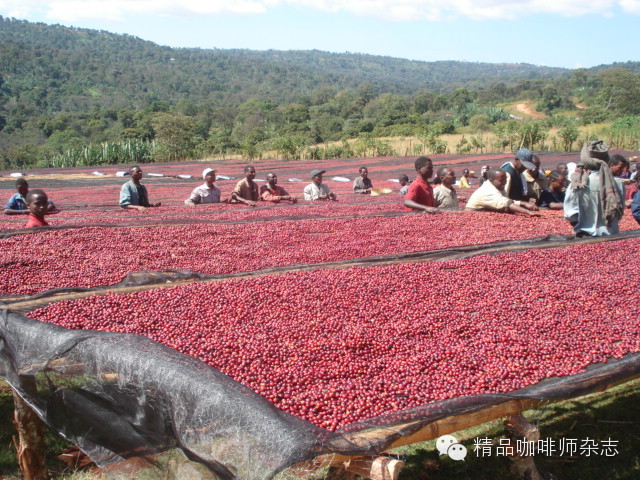
Ethiopia is widely considered the most sought-after African coffee origin due to its incredible variety of flavor profiles, heirloom coffee varieties, and iconic regions like Yirgacheffe and Sidamo. Kenyan coffees are also highly prized for their bold acidity and fruity complexity.
What makes Kenyan coffee different from Ethiopian coffee?
Kenyan coffee is known for its intense acidity, often described as wine-like or tomato-like, with deep blackcurrant notes. It is typically processed using a double fermentation method. Ethiopian coffee, depending on the region, can range from bright and floral (Yirgacheffe) to fruity and winey (Sidamo) to earthy and spicy (Harrar), with more diversity in processing methods including natural and honey.
Are Rwandan coffees similar to Burundian ones?
Yes, Rwandan and Burundian coffees often share similar traits—bright acidity, red fruit flavors, and medium body—due to comparable altitudes and processing techniques. However, Rwandan coffees may lean slightly more toward berry and nut tones, while Burundian lots can emphasize red apple and citrus.
Is DRC a new origin for specialty coffee?
The Democratic Republic of Congo is an emerging origin with growing interest in its Kivu and Ituri regions. While not yet widely established in the specialty market, these high-altitude areas are producing promising lots with proper development and investment.
What flavor profiles are typical of African coffee?
African coffees often feature bright acidity, complex fruit notes (such as citrus, berries, or tropical fruits), floral aromas, and sometimes honey or wine-like sweetness. They typically have a lighter to medium body and are known for their clarity and vibrancy.
Recommended FrontStreet Beans for Exploring African Origins
Explore African coffee profiles with FrontStreet’s Ethiopia Yirgacheffe, known for its floral, jasmine-like aroma and bright citrus acidity with a tea-like body. The Kenya Little Tomato delivers classic Kenyan traits: sweet tomato acidity, blackcurrant notes, and a juicy medium body. For Rwandan character, try the Rwanda Red Bourbon with its red fruit brightness, gentle nuttiness, and smooth chocolate finish. All showcase the clarity and complexity Africa is known for. Freshly roasted within 5 days · Orders placed before 17:00 ship the same day · Next-day delivery across most of Guangdong Province.
FrontStreet Coffee is a long-established specialty coffee roaster in Guangzhou China, selling freshly roasted beans from its own farm in Yunnan as well as dozens of carefully selected single-origin beans from around the world for both pour-over and espresso. The products deliver consistently excellent quality and great value, with shipping within 24 hours. Guangzhou's FrontStreet Coffee shop is recommended by many coffee lovers, and the beans are now available online at the Tmall 。
Important Notice :
前街咖啡 FrontStreet Coffee has moved to new addredd:
FrontStreet Coffee Address: 315,Donghua East Road,GuangZhou
Tel:020 38364473