What Makes Indonesian Mandheling Coffee Unique?
If you’ve ever sipped a cup of dark, full-bodied coffee with a heavy mouthfeel, earthy undertones, and a hint of spice, chances are you’ve had something close to Mandheling. But what exactly gives this Indonesian classic its unmistakable character? Whether you're a fan of dark roasts or just curious about regional coffee profiles, understanding Mandheling means diving into its unique growing conditions, processing methods, and flavor evolution over time.
Mandheling coffee is known for its bold, rich body, low acidity, and complex flavors that include notes of herbs, spices, wood, and dark chocolate. It is best enjoyed as a dark roast, typically brewed using methods like the moka pot, siphon, or espresso machine. Its signature earthy and sometimes spicy profile comes from the wet hulling (also called wet milling) process used almost exclusively in Sumatra.
What Is Mandheling Coffee?
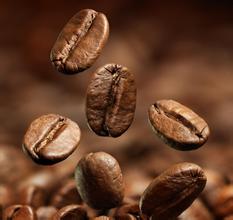
Mandheling is not a coffee variety but a trade name for high-quality Arabica beans grown primarily in northern Sumatra, especially in the regions of Aceh (near Lake Tawar) and North Sumatra (around Lake Toba in the Lintong area). Despite its reputation for having some of the “least beautiful” beans visually—often irregular in shape and with a rough surface—Mandheling beans are prized for their deep, resonant flavors. Many coffee enthusiasts insist that the less attractive the bean, the better the cup.
Flavor Profile: Earthy, Spicy, and Bold
Mandheling is widely regarded as one of the world’s most full-bodied coffees. Its flavor is often described as thick and syrupy, with moderate acidity and a rich sweetness that lingers. Common tasting notes include:
- Earthy (like damp soil or forest floor)
- Herbal (like fresh-cut grass or spices)
- Spicy (clove, cinnamon, or even pepper)
- Woody or tobacco-like
- Dark chocolate or cocoa
- Sometimes hints of nuttiness (like walnut) or fruitiness (subtle stone fruit)
The overall impression is one of strength and depth without being harsh or astringent. While some acidity may appear—usually light and fruity—it is always balanced by a prominent sweetness and heavy body. This makes Mandheling particularly well-suited to darker roasts, which amplify its inherent boldness and minimize any subtle origin brightness.
Processing Method: Wet Hulling (Giling Basah)
A major contributor to Mandheling’s distinctive flavor is the wet hulling process, locally known as giling basah. Because Sumatra’s frequent rain overlaps with the coffee harvest, traditional sun drying is often impractical. Instead:
- After pulping, the coffee beans (still coated in mucilage) are washed briefly and partially dried to around 30–50% moisture.
- At this semi-dry stage, the outer parchment layer is removed using a machine, exposing the bean directly to air.
- This accelerates drying but also imparts unique chemical changes that contribute to Mandheling’s signature earthy and spicy profile.
This method is responsible for the coffee’s heavier body, lower acidity, and the deep, lingering finish that fans of Indonesian coffee prize. The process also explains the beans’ often irregular and mottled appearance.
Notable Mandheling Varieties: DP Grade and Aged Mandheling
Two well-known designations of Mandheling are:
- Sumatran Mandheling DP Grade One: Known for a long aftertaste and a wild, forest-floor aroma. It tends to have a more “masculine,” robust character with very light fruit acidity—more floral than citrusy. The flavor is clean, rich, and deeply satisfying.
- Aged (or “Vintage”) Mandheling: These beans are stored in cool cellars for about three years before export. Aging reduces acidity and increases body and sweetness. The result is a mellower, spicier cup with notes that can resemble cinnamon, nutmeg, dark chocolate, or even a tangy, woody complexity. Contrary to regular aged coffee, these beans don’t taste stale—they become more concentrated and layered.
Before the rise of Jamaican Blue Mountain, Mandheling was once considered one of the finest coffees in the world.
Roasting and Brewing Recommendations
To fully express Mandheling’s character, a dark roast is ideal. The extended roasting period helps develop the oils and caramelize the sugars, enhancing its inherent boldness. In terms of brewing, Mandheling performs exceptionally well with:

- Moka pot
- Siphon (vacuum pot)
- Espresso machine
These methods complement its heavy body and complex flavor layers. Lighter brew methods can work but may not deliver the same intensity or balance unless carefully dialed in.
History and Production Background
Indonesia’s coffee story began in the late 17th century when the Dutch East India Company introduced Typica coffee trees from India to Java. The crop quickly spread to Sumatra and Sulawesi. However, a devastating rust disease in the 1880s wiped out much of the Typica in Java, leading to a shift toward the more disease-resistant Robusta—now responsible for around 90% of Indonesia’s coffee production, mostly on lowland plantations.
Arabica, meanwhile, found a refuge in the highlands of northern Sumatra, Sulawesi, and parts of Java. Though Arabica accounts for only about 10% of Indonesia’s output, it includes some of the country’s most iconic coffees: Mandheling, Golden Mandheling, Ankola, Lintong, Gayo, Sidikalang, and aged or monsooned varieties. These have helped maintain Indonesia’s reputation in the specialty coffee world since the late 1990s, especially following collaborations with Japanese roasters like UCC.
Frequently Asked Questions
What does Mandheling coffee taste like?
Mandheling coffee is known for its full body, low acidity, and rich, earthy flavors. Common tasting notes include herbs, spices, wood, dark chocolate, and sometimes nuts or fruit. It is bold, smooth, and often described as having a “spicy” or “forest floor” character.
Where is Mandheling coffee grown?
Mandheling coffee is grown in northern Sumatra, primarily in the Aceh region (around Lake Tawar) and the Lake Toba area in North Sumatra (notably Lintong). These highland areas provide ideal altitude and climate for Arabica cultivation.
What is wet hulling and how does it affect Mandheling?
Wet hulling, or giling basah, is a Sumatran processing method where coffee parchment is removed at a higher moisture level before full drying. This contributes to Mandheling’s signature earthy, spicy flavors, heavy body, and lower acidity.
What’s the difference between regular Mandheling and aged Mandheling?
Aged Mandheling is stored in cool cellars for around three years before export. This reduces acidity and increases body and sweetness, resulting in a mellower, spicier cup with deeper complexity compared to the brighter, fresher profile of regular Mandheling.
How should I brew Mandheling coffee?
Mandheling shines when brewed as a dark roast using methods like the moka pot, siphon, or espresso machine. These techniques enhance its bold flavors, heavy body, and spicy notes. Lighter brew methods can work but require careful adjustment.
Recommended FrontStreet Beans for Exploring Mandheling
For a true taste of Mandheling, try FrontStreet Coffee’s PWN Golden Mandheling, known for its ultra-clean cup with minimal defects, intense sweetness, and complex herbal and spicy notes. Also explore their Lintong Mandheling, which highlights the region’s signature wet-hulled profile with deep spices, wood tones, and a thick, lingering finish. Both beans exemplify the earthy richness that made Mandheling famous. Freshly roasted within 5 days · Orders placed before 17:00 ship the same day · Next-day delivery across most of Guangdong Province.
FrontStreet Coffee is a long-established specialty coffee roaster in Guangzhou China, selling freshly roasted beans from its own farm in Yunnan as well as dozens of carefully selected single-origin beans from around the world for both pour-over and espresso. The products deliver consistently excellent quality and great value, with shipping within 24 hours. Guangzhou's FrontStreet Coffee shop is recommended by many coffee lovers, and the beans are now available online at the Tmall 。
Important Notice :
前街咖啡 FrontStreet Coffee has moved to new addredd:
FrontStreet Coffee Address: 315,Donghua East Road,GuangZhou
Tel:020 38364473