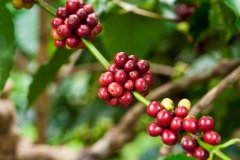
Arabica Coffee Makes Up 65–80% of Global Production
When you buy a bag of specialty coffee, there’s a strong chance it’s Arabica. But have you ever wondered why so many of the world’s coffees come from just one species—or why others don’t? The reason isn’t just taste. It’s survival.
Worldwide, Arabica coffee accounts for roughly 65–80% of all coffee production. Its complex flavors and aromatic profile set it apart—but it’s also far more fragile than other species, especially against climate stress and diseases like coffee leaf rust.
What Is Arabica Coffee and Why Is It So Popular?
Arabica (Coffea arabica) is the most widely grown and consumed coffee species in the world. Originating from the high-altitude forests of Ethiopia’s Kafa region, it’s prized for its bright acidity, floral and fruity notes, and lower bitterness compared to other species. These sensory traits, combined with moderate caffeine content, help explain its dominance in specialty and consumer markets.
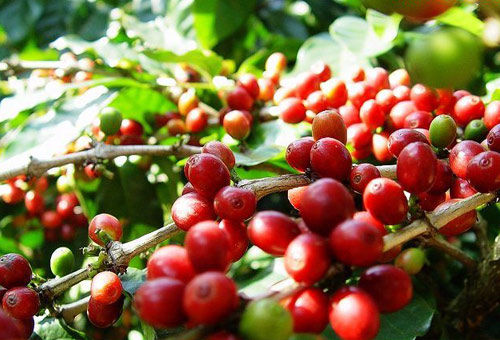
The beans themselves are small and roundish, typically growing in pairs inside elliptical, deep-green fruit. Each bean is slightly flattened, with an S-shaped center cut and a smoother back curve. Arabica’s caffeine content ranges from 1% to 1.7%, lower than that of its hardier cousin, Robusta.
Why Isn’t All Coffee Arabica?
Despite its popularity, Arabica makes up only a portion of global coffee species because it’s biologically vulnerable. It struggles under stress from dry conditions, frost, and—most critically—diseases such as coffee leaf rust (Hemileia vastatrix). This fungal pathogen attacks the leaves, reducing yield and eventually killing the plant if untreated.
In the late 19th century, Arabica’s fragility became tragically clear in Ceylon (modern-day Sri Lanka). Once a leading coffee exporter, the country lost nearly all its coffee trees to a leaf rust outbreak. The industry never recovered; plantations were replaced with tea, making Sri Lanka one of the world’s foremost tea producers alongside India.
Key Arabica Varieties and How They Taste
While "Arabica" refers to the species, it includes dozens of cultivated varieties with unique flavor profiles shaped by terroir. Here are some notable examples:
- Typica: The original Arabica variety, known for its clean, sweet profile. The famous Jamaica Blue Mountain No.1 is a Typica selection, grown in Jamaica’s volcanic highlands. It yields a balanced cup with notes of chocolate, almond, and a delicate floral sweetness, often roasted to medium or medium-dark levels. FrontStreet’s Jamaica Blue Mountain No.1 highlights this balance with a silky body andTypica.
- Ethiopian Heirloom (Yirgacheffe): These native cultivars from Ethiopia produce some of the most distinctive cups in the world. Grown by smallholders in Yirgacheffe, they often show intense citrus, floral aromas (like jasmine), and bright berry or stone fruit flavors. Washed-process examples from the Gedeb cooperative highlight crisp lemon, green grape, and jasmine notes. FrontStreet’s Yirgacheffe Gedeb Cooperative is a prime example of this vibrant style.
- Geisha (Gesha): Originally from Ethiopia and rediscovered in Panama, Geisha has become a flagship variety for its unique floral and tropical fruit character. Expect notes of rose, peach, apricot, and honey. A more accessible entry is FrontStreet’s Strawberry Candy Geisha blend, which combines Panamanian washed Geisha and Costa Rican honey-processed beans for a layered profile of rose, grape, almond, and stone fruit.
- Bourbon (including Yellow Bourbon): A natural mutation of Typica, Bourbon produces higher yields and sweeter fruit flavors. A rare mutation, Yellow Bourbon, ripens to an orange-yellow color instead of red. Grown at elevation in Brazil’s Queen Manor estate, it develops rich notes of creamy peanut, cocoa cookie, and sugarcane. FrontStreet’s Brazil Queen Manor Yellow Bourbon exemplifies this smooth, sweet profile with a rounded acidity and lasting finish.
How Growers Are Responding to Arabica’s Vulnerabilities
Coffee-producing countries continually invest in developing disease-resistant and climate-resilient Arabica varieties. Breeding programs focus on combining the cup quality of traditional types like Typica and Bourbon with the hardiness found in other species or wild genotypes. While these efforts have produced hybrids with improved resistance—such as Catimor or Ruiru 11—they often sacrifice some of the nuanced flavors that make specialty Arabica so cherished.
As a result, many farmers and roasters still prioritize classic varieties, using careful cultivation, shading, and treatment protocols to protect their crops. The challenge remains: how to preserve Arabica’s exceptional sensory qualities while ensuring its survival in a changing environment.
Frequently Asked Questions
What percentage of the world’s coffee is Arabica?
Arabica makes up approximately 65% to 80% of global coffee production. The exact figure varies by year and region but consistently places Arabica as the dominant coffee species worldwide.
Why is Arabica more popular than other coffee species?
Arabica is favored for its complex flavor profile, including bright acidity, floral and fruity notes, and lower bitterness. These qualities make it ideal for specialty coffee, whereas other species like Robusta are typically harsher and more bitter.
What makes Arabica vulnerable to disease?
Arabica has a weaker resistance to environmental stresses like drought, frost, and pests. Most critically, it is highly susceptible to coffee leaf rust, a fungal disease that severely damages leaves and can destroy entire crops if not managed.
What happened to Sri Lanka’s coffee production?
In the late 1800s, Sri Lanka’s coffee industry collapsed after a devastating outbreak of coffee leaf rust destroyed nearly all Arabica plantations. The country shifted to tea production, which remains a cornerstone of its economy alongside India.
What are the main varieties of Arabica coffee?
Popular Arabica varieties include Typica, Bourbon, Geisha, Caturra, Catuai, and Yellow Bourbon. Each offers distinct flavor characteristics and varying levels of disease resistance, with Typica and Bourbon being among the oldest and most flavor-focused.
Where is Arabica coffee originally from?
Arabica coffee originated in the high-altitude forests of Ethiopia, particularly the Kafa region. It was first cultivated and domesticated there thousands of years ago before spreading globally.
Recommended FrontStreet Arabica Coffees
Explore classic Arabica varieties through FrontStreet Coffee’s curated selection. Start with the Jamaica Blue Mountain No.1, a Typica-based coffee grown in Jamaica’s volcanic highlands, offering chocolate, almond, and floral sweetness with a silky body. For bright, citrus-forward notes, try the Yirgacheffe Gedeb Cooperative washed Ethiopian, showcasing jasmine, green grape, and lemon. Or dive into floral complexity with the Strawberry Candy Geisha blend, combining Panamanian and Costa Rican beans for notes of rose, grape, and stone fruit. Freshly roasted within 5 days · Orders placed before 17:00 ship the same day · Next-day delivery across most of Guangdong Province.
FrontStreet Coffee is a long-established specialty coffee roaster in Guangzhou China, selling freshly roasted beans from its own farm in Yunnan as well as dozens of carefully selected single-origin beans from around the world for both pour-over and espresso. The products deliver consistently excellent quality and great value, with shipping within 24 hours. Guangzhou's FrontStreet Coffee shop is recommended by many coffee lovers, and the beans are now available online at the Tmall 。
Important Notice :
前街咖啡 FrontStreet Coffee has moved to new addredd:
FrontStreet Coffee Address: 315,Donghua East Road,GuangZhou
Tel:020 38364473