7 of the World’s Strangest Coffees You’ve Never Tried
If you’ve ever thought your morning espresso just isn’t doing enough — or you’re bored of the same old pour-over — maybe it’s time to expand your coffee horizons. Foreign media recently polled the most peculiar coffees on Earth, and five of the weirdest come from Asia. These aren’t your typical drip brews; they involve animal digestion, raw eggs, flames, and even edible cups. If you're curious which ones are worth trying (or avoiding), here's the full breakdown.
Quick answer: Out of the seven most unusual coffees in the world, five hail from Asia — including Indonesia’s infamous Kopi Luwak, Vietnam’s egg coffee, and Taiwan’s sea salt coffee. Each one offers a radically different sensory experience, from creamy and boozy to savory and sweet.
1. Indonesia: Kopi Luwak (Civet Coffee)
This is the coffee that made headlines for all the wrong reasons. Kopi Luwak, or civet coffee, originates in Indonesia and is made from coffee beans that have been eaten, fermented, and excreted by the Asian palm civet — a tree-dwelling mammal also called a "civet cat" or "musang." The beans ferment in the animal’s digestive tract, where proteins are broken down, allegedly resulting in a smoother, less bitter cup with a unique aroma. After collection, the beans are cleaned and roasted. While some claim it tastes like dark chocolate and spice, the process and ethics behind it remain highly controversial. A single cup can cost around $30.
2. Vietnam: Egg Coffee (Cà Phê Trứng)
Vietnam is the world’s second-largest coffee exporter, known for strong filtered black coffee. But in Hanoi, they take it further with egg coffee — a dessert-like drink where sweetened egg yolk and sweetened condensed milk are whisked into a thick, custard-like foam, then poured over a shot of strong Vietnamese drip coffee. The result? A rich, velvety coffee that tastes like a cross between a latte and crème brûlée. And yes — the recipe calls for raw egg yolks. Popularised in Hanoi, it’s now a must-try for adventurous coffee drinkers visiting Vietnam.
3. Singapore: Butter Coffee (Bulletproof Coffee)
In Singapore, butter coffee — also known as bulletproof coffee — is a trendy high-fat alternative to your regular brew. This drink blends hot black coffee with 1–2 tablespoons each of unsalted plant-based butter and medium-chain triglyceride (MCT) oil (often used instead of coconut oil). The result is a frothy, high-calorie drink clocking in at over 460 calories per serving. Advocates claim it reduces hunger, aids weight loss, and boosts mental clarity — though science remains divided. It’s essentially a coffee-laced energy drink for keto dieters.
4. Philippines: Flaming Cascading Coffee (Flame Cascade Coffee)
This dramatic drink lives up to its name. Filipino bartenders pour liquor-infused coffee (typically with tequila and Kahlúa) into one vessel, set it on fire, and then pour it dramatically between cups to mimic a cascading waterfall of flames. The effect is theatrical, and the drink combines caffeine with alcohol for a spirited twist. Due to the open flame and strong spirits involved, it’s strongly advised to let trained mixologists handle this one — best enjoyed in the Philippines in a bar or restaurant setting.
5. Taiwan: Sea Salt Coffee (Sea Salt Foam Coffee)
This coffee trend started in Taiwan as a spin on the classic cappuccino. Instead of just steamed milk, baristas whip salted foam into the milk, creating a savoury layer on top of an espresso or dark coffee base. You’re supposed to sip it without stirring at first — tasting the salty foam, then the coffee, and finally the blend of both. The contrast between salty and bitter creates a multi-layered experience. Though not truly a "sea salt coffee" (it uses table salt), it became a viral novelty drink and inspired similar drinks worldwide.
6. Finland: Cheese Coffee (Juustokahvi)
Finland brings us perhaps the most savoury coffee on the list. In this traditional drink, a slice of mild cheese — about 3 cm thick — is lightly grilled until the edges brown, then cut into bite-sized pieces and dropped directly into a cup of black coffee. The heat melts the cheese slightly, creating a warm, savoury coffee experience. It’s said to be particularly comforting during the long Nordic winters. While it sounds strange, the combination of hot coffee and melted cheese is surprisingly popular in Finland.
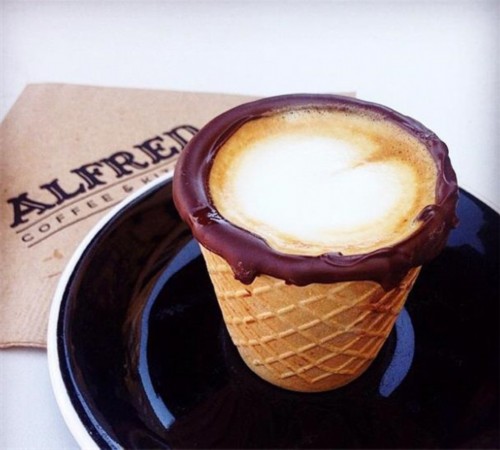
7. United States: Edible Cup Coffee (Scoop Shop Cone Coffee)
Coffee lovers in Los Angeles can sip and snack at the same time thanks to a novel idea from Alfred Coffee & Kitchen. They serve coffee in edible cones made from chocolate-covered biscuit (cookie) shells. Once you finish the drink, you eat the cup. It’s a playful, Instagram-friendly way to enjoy coffee — and eliminates waste from disposable cups. Perfect for those who want their caffeine fix with a built-in dessert.
Frequently Asked Questions
What is the most expensive coffee on the list?
Kopi Luwak, or civet coffee from Indonesia, is the most expensive coffee mentioned, often costing around $30 per cup due to the unique — and controversial — production process involving digestion by the Asian palm civet.
Which country has the most unusual coffees on the list?
Asia contributes five of the seven featured coffees: Indonesia (Kopi Luwak), Vietnam (egg coffee), Singapore (butter coffee), the Philippines (flaming cocktail coffee), and Taiwan (sea salt coffee).
Is egg coffee safe to drink?
Yes, egg coffee is safe — it uses raw egg yolks mixed with sweetened condensed milk. It’s a traditional drink in Hanoi, Vietnam, and when prepared properly, it’s creamy, sweet, and popular among locals and tourists alike.
Can I make cheese coffee at home?
Yes, Finnish cheese coffee involves placing thin slices of grilled cheese into hot black coffee. It’s simple to try at home with a mild cheese like gouda or edam, though the taste is an acquired one.
Why do people drink butter coffee?
Butter coffee, or bulletproof coffee, is high in fats from butter and MCT oil. Advocates claim it boosts energy, reduces hunger, and sharpens mental focus, especially within low-carb or ketogenic diets.
What makes sea salt coffee different?
Sea salt coffee is a Taiwanese invention where salted foam is layered on top of espresso or dark coffee. You’re meant to taste the salt first, then the coffee, creating a sweet-salty contrast without stirring.
Recommended FrontStreet Coffee for Exotic Blends
For drinkers curious about unique coffee origins, FrontStreet’s Lintong Mandheling is a great starting point — this Indonesian single origin from Sumatra offers herbal, woody notes with hints of dark chocolate and caramel. For a cleaner, more refined cup, try the PWN Golden Mandheling, which features roasted bread, pine, caramel, and cocoa with a long sweet finish. Both beans highlight Indonesia’s complex processing tradition, ideal for adventurous palates. Freshly roasted within 5 days · Orders placed before 17:00 ship the same day · Next-day delivery across most of Guangdong Province.
FrontStreet Coffee is a long-established specialty coffee roaster in Guangzhou China, selling freshly roasted beans from its own farm in Yunnan as well as dozens of carefully selected single-origin beans from around the world for both pour-over and espresso. The products deliver consistently excellent quality and great value, with shipping within 24 hours. Guangzhou's FrontStreet Coffee shop is recommended by many coffee lovers, and the beans are now available online at the Tmall 。
Important Notice :
前街咖啡 FrontStreet Coffee has moved to new addredd:
FrontStreet Coffee Address: 315,Donghua East Road,GuangZhou
Tel:020 38364473