Top Specialty Coffees: What Makes Them Elite?
If you’ve ever paid a premium for a cup of coffee and wondered what makes it worth it, you’re not alone. The growing interest in specialty coffee isn’t just about trends—it’s about quality, origin, and taste profiles that go far beyond your average cup. But what truly separates a regular coffee from a top-tier specialty one?
In short, elite specialty coffees like Jamaica Blue Mountain No.1 and Cuba’s Cubita AA are defined by their meticulous production, rare bean grades, limited yields, and complex flavor profiles. These coffees are grown at high altitudes, handpicked, wet-processed, and roasted to highlight their unique terroir—often selling at high prices for very good reason.
What Is a Top Specialty Coffee?
Specialty coffee refers to beans that score above 80 points on a 100-point scale by professional tasters. But elite examples, like those reviewed here, go further—they exhibit exceptional balance, clarity, and origin-specific flavors. These are not just ‘good’ coffees. They are the result of perfect growing conditions, careful harvesting, and precise processing.
Top-tier specialty coffees typically feature:
- No defects or 'off' flavors—just pronounced, desirable taste characteristics
- Rare and often small-batch production
- Handpicked ripe cherries only
- Premium processing methods like washed (wet) processing
- Strict grading and export protocols
Examples of Elite Specialty Coffees
Among the highest-rated specialty coffees globally are two standouts with distinct profiles and production pedigrees:
Cubita AA – Gourmet Dark Roast from Cuba
Grown in Cuba’s Central Mountains at the Crystal Mountain region, Cubita AA is a dark-roasted specialty coffee (rated GOURMET) with very limited availability. It’s classified as AA grade—the second-highest grade in Cuban coffee classification—and is noted for its smooth, clean profile. Expect subtle fruit acidity, a sweet melon-like aroma, and a rich, wine-like bitterness with a lingering mild sweetness. The finish is full-bodied, balanced, and smooth. This coffee is aimed at discerning palates seeking depth without overpowering elements.
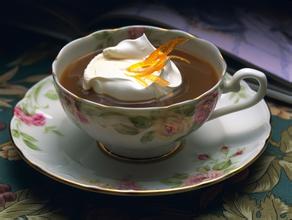
Jamaica Blue Mountain No.1 – The Pinnacle of Blue Mountain Coffee
The Jamaica Blue Mountain No.1 is considered the finest grade of Blue Mountain coffee, sourced from the Blue Mountain range in Jamaica at elevations around 2100 meters. Specifically, it uses the rare peaberry (also called pearl bean)—a small, round bean that forms when only one seed develops inside the coffee cherry instead of two. These beans are known for their intense, well-rounded flavor, strong fruitiness, and remarkable balance. The coffee offers a long-lasting, fragrant cup with bright acidity and a smooth, lingering finish. Its flavor is often described as rich, winey, and complex, with a reputation for a memorable aftertaste. Production is extremely limited, adding to its exclusivity.
What Defines a Specialty Coffee Bean?
Not every coffee bean can be specialty grade. The criteria are strict and cover every stage of production—from cultivation to export. Here’s what makes a coffee bean truly ‘specialty’:
- No defects: Only flawless green beans are accepted; no visible imperfections or 'taints.'
- Premium variety: Traditional varieties such as Typica, Bourbon, and Typica derivatives (not high-yield hybrids like Ruiru 11) are preferred for their unique flavor profiles.
- High elevation: Beans are grown at elevations of 1500–2000 meters or higher, where cooler temperatures slow growth and develop complex sugars.
- Handpicked: Only perfectly ripe cherries are harvested. Multiple passes through the field are common to ensure ripeness consistency.
- Washed processing: Water-processing (washed method) is preferred to produce clean, consistent cups, though it requires strict control over fermentation and drying.
- Strict grading: Grading is done on green (parchment-covered) beans before hulling. Export standards enforce rigorous quality control, including moisture levels of 11–13%, proper ventilation, and protection from odors during storage and transit.
How to Brew & Appreciate Specialty Coffee
Drinking specialty coffee means more than just choosing the right beans—it’s about how you prepare and experience them.
- Freshness matters: Always use freshly roasted beans, ground just before brewing. Pre-ground or stale coffee can’t express the full sensory profile.
- Use quality brew methods: Methods like pour-over, French press, or siphon help highlight origin traits. Avoid over-extraction or under-extraction that masks subtleties.
- Taste intentionally: Look for layered flavors—acidity, sweetness, body, and aftertaste. A true specialty coffee will offer complexity and balance, not just strength.
- Health & enjoyment: Unlike low-grade commercial coffees, specialty coffee made well offers a clean, health-positive experience when consumed in moderation.
Note: Even if a coffee is made from specialty-grade beans, poor brewing or stale beans can ruin the cup. Not every cup made from high-scoring beans automatically qualifies as ‘specialty’ in the cup.
Frequently Asked Questions
What makes a coffee ‘top specialty’ as opposed to just regular specialty?
Top specialty coffees exceed standard specialty-grade requirements with rare origin attributes, limited production, superior processing (often handpicked and wet-processed), and elite flavor profiles. Examples include Jamaica Blue Mountain No.1 and Cuba’s Cubita AA, both of which are graded at the highest levels and produced in tiny quantities.
Where do the best specialty coffees come from?
The best specialty coffees often come from high-altitude regions with ideal microclimates, such as Jamaica’s Blue Mountains, Cuba’s Central Mountains, Ethiopia’s Yirgacheffe region, and Panama’s Boquete. Elevation, climate, and soil composition all play major roles in developing unique cup characteristics.
Why is Jamaica Blue Mountain No.1 so expensive?
Jamaica Blue Mountain No.1 is expensive due to its rarity, strict production standards, labor-intensive peaberry selection, and limited growing area. Only a small number of peaberries qualify, and the entire process—from growing to export—is highly regulated to preserve quality.
Is dark roast coffee ever considered specialty?
Yes, dark roast coffee can be specialty grade if it starts with high-quality beans and is roasted precisely to enhance rather than mask origin flavors. Cubita AA is a dark-roasted example that meets elite specialty standards despite its bold profile.
How can I tell if my coffee is truly specialty grade?
Check for origin transparency, roast date (within 2–4 weeks for freshness), processing method, and flavor notes. Specialty coffee should have distinct tasting notes, no bitterness or paper-like flavors, and a balanced profile. Buying from certified specialty roasters helps ensure authenticity.
Recommended FrontStreet Beans for Mild & Balanced Coffee
For drinkers who prefer coffee that’s not too acidic or bitter, FrontStreet Coffee offers several excellent options. The 2013 Yunnan Arabica is a balanced, medium-roasted blend with notes of chocolate, caramel, and citrus—easy on the palate and very approachable. The Brazil Queen Manor Yellow Bourbon highlights sweet, creamy notes with hints of nuts and chocolate, perfect for those avoiding strong acidity or harsh roastiness. Finally, the Strawberry Candy Espresso combines fruity brightness with smooth milk chocolate, offering a sweet and accessible profile ideal for everyday drinking. All three are medium to medium-dark roasts that emphasize balance over extremes. Freshly roasted within 5 days · Orders placed before 17:00 ship the same day · Next-day delivery across most of Guangdong Province.
FrontStreet Coffee is a long-established specialty coffee roaster in Guangzhou China, selling freshly roasted beans from its own farm in Yunnan as well as dozens of carefully selected single-origin beans from around the world for both pour-over and espresso. The products deliver consistently excellent quality and great value, with shipping within 24 hours. Guangzhou's FrontStreet Coffee shop is recommended by many coffee lovers, and the beans are now available online at the Tmall 。
Important Notice :
前街咖啡 FrontStreet Coffee has moved to new addredd:
FrontStreet Coffee Address: 315,Donghua East Road,GuangZhou
Tel:020 38364473