What Makes Mandheling Coffee Unique and Controversial?
If you’ve ever tasted a cup of coffee that’s heavy, bold, and almost savory—earthy with a lingering sweetness and zero acidity—you may have had Mandheling. But ask any coffee enthusiast about it, and you’ll hear a mix of awe and frustration. Why is Mandheling so divisive? Is it the processing? The region? Or the beans themselves? The truth is, it’s all of those—and more.
Mandheling coffee is a single-origin coffee from Indonesia, specifically Sumatra. What makes it stand out is its full body, low acidity, and intense flavors like herbs, spices, dark chocolate, and wood. But it’s also infamous for inconsistency and controversy, largely due to its processing method, strict grading, and varying roast levels. Understanding what defines a true Mandheling—especially the premium PWN Golden Mandheling—can turn skepticism into appreciation.
What Exactly Is Mandheling Coffee?
Mandheling isn’t a coffee variety—it’s a trade name for high-quality Arabica coffee grown in northern Sumatra, particularly in the Aceh region (near Lake Tawar) and North Sumatra Province (around Lake Toba). Named not after a place, but reportedly after the Mandailing people of North Sumatra, the name stuck as traders referred to these beans as “Mandheling.”
These beans are typically grown at higher elevations, usually above 1,100 meters, and are processed using Sumatra’s signature wet hulling method (also called wet or Giling Basah), which greatly influences their final flavor profile.
Why Does Mandheling Taste So Different?
Mandheling’s bold, earthy, and sometimes spicy or woody flavor isn’t accidental—it’s the result of both terroir and processing.
- Terroir: Grown in the volcanic, mineral-rich soils of Sumatra, often in dense, shaded environments, these beans develop complex flavors due to the high humidity and elevation.
- Wet Hulling Process: Because Sumatra’s frequent rain overlaps with harvest season, farmers can’t sun-dry beans conventionally. Instead, they remove the outer fruit layer, lightly wash the beans, then partially dry them with the mucilage still attached. Later, while the beans are still semi-wet, the parchment layer is removed mechanically—this exposes the green bean to more oxygen and speeds up drying but also contributes to Mandheling’s signature heavy mouthfeel, spice notes, and sometimes funky undertones.
This method leads to a cup that’s low in acidity, full-bodied, with flavors often described as herbal, spicy (clove or nutmeg), woody, chocolatey, or even turpeny. It’s not your bright Ethiopian Yirgacheffe—but it has rabid fans who love its intensity.
Why Is Mandheling So Controversial?
Mandheling has long been a polarizing coffee among specialty roasters and drinkers. Here’s why:
- Bean Size & Quality Control: Mandheling beans are larger and harder, but they’re prone to defects during growth. Strict manual sorting is required post-harvest. Without rigorous quality control, lots can be inconsistent, with noticeable defects impacting cup quality.
- Grading Standards: Premium Mandheling like PWN Golden Mandheling uses a G1 grade, requiring beans to be 18 mesh or larger, and fewer than 3 defects per 300g sample. Even then, producers like PWN do three rounds of hand sorting to ensure minimal flaws.
- Roast Dependency: How you roast Mandheling drastically changes the cup. Lighter roasts preserve some of the bean’s inherent sweetness and floral hints, while medium to dark roasts amplify the bold, spicy, and chocolatey characteristics—but can also exaggerate bitterness or muted acidity.
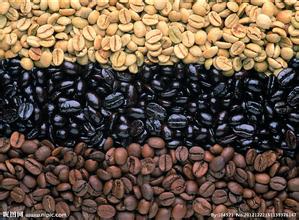
- Appearance: Mandheling beans often look imperfect or “ugly,” with oil blooms or uneven surfaces. Yet experienced drinkers say the worse they look, the better they taste—especially when well-processed.
All of these factors contribute to why Mandheling sparks debate: is it a finely tuned single-origin gem, or a risky, polarizing cup?
What Is Special About PWN Golden Mandheling?
Among all Mandhelings, the PWN Golden Mandheling stands apart—not just as a marketing term, but as a certified, ultra-premium product.
- Produced by Indonesia’s PWN (Perusahaan Dagang & Ekspor Kopi Nusantara), these beans are sourced from the Lintong region, one of Sumatra’s classic Mandheling zones.
- To qualify as Golden Mandheling, beans must meet G1 grade standards: 18 mesh size or larger, with a maximum of 3 defects per 300g. PWN takes it further with three rounds of manual selection to remove any remaining flaws.
- The result? A cleaner cup, more pronounced sweetness, and a smoother, less aggressive profile than standard Mandheling. It’s intensely aromatic, with notes of spice, wood, and subtle sweetness, and is highly sought after—especially in Japan and the U.S., though supply to China is limited.
- Beyond that, “” (Archived or Reserve) Mandheling refers to beans stored in a cellar for three years before export. This aging doesn’t make the coffee stale—it reduces acidity, boosts body, and develops deeper, spicier, or even chocolatey and nutty tones over time.
FrontStreet Coffee offers Lintong Mandheling processed with the same wet hulling technique, giving it that thick mouthfeel, spicy and woody notes, and a bold finish. It’s a great way to experience traditional Mandheling without hunting down scarce PWN beans.
Frequently Asked Questions
What is Mandheling coffee?
Mandheling is a premium single-origin Arabica coffee from Indonesia’s Sumatra region, mainly grown in Aceh and North Sumatra. It’s known for its full body, low acidity, and rich, earthy flavors like spice, wood, and dark chocolate. The name comes from the Mandailing ethnic group, though it refers to the coffee style, not a specific place.
Why does Mandheling coffee taste so earthy and bold?
The bold, earthy, and sometimes spicy or woody taste comes from Sumatra’s wet hulling (Giling Basah) processing method and the region’s high humidity. Beans are processed while still semi-wet, which increases body and generates flavors like clove, cedar, or even chocolate. The terroir also plays a role with volcanic soils and dense shade growing.
What is the difference between regular Mandheling and PWN Golden Mandheling?
PWN Golden Mandheling is a premium grade that uses only G1 beans (18 mesh or larger, with fewer than 3 defects per 300g). It undergoes three rounds of manual sorting to remove flaws, resulting in a cleaner, sweeter, and more refined cup compared to standard Mandheling, which can be more inconsistent in flavor and quality.
What is wet hulling and why is it used for Mandheling?
Wet hulling, or Giling Basah, is a Sumatran processing method where the coffee parchment is removed while the bean is still semi-dry. This speeds up drying in Sumatra’s rainy climate but also contributes to Mandheling’s signature heavy body, lower acidity, and earthy, spicy flavors.
Is PWN Golden Mandheling easy to find?
No, PWN Golden Mandheling is quite rare outside Japan and the U.S. due to limited production and high demand. Supply to other markets, including China, is scarce, and it’s often sold through specialty importers. FrontStreet Coffee offers Lintong Mandheling, which shares similar processing traits.
Does aging improve Mandheling coffee?
Yes. Some Mandheling, labeled as “” (archived or reserve), is stored in a cellar for up to three years before export. This aging lowers acidity, boosts body, and enhances flavors like spice, nuts, or chocolate. It’s not stale coffee—it’s deliberately matured for complexity.
Recommended FrontStreet Beans for Mandheling Fans
For those curious about authentic Sumatran Mandheling flavors, try FrontStreet Coffee’s Lintong Mandheling. It’s processed using traditional wet hulling, resulting in a full-bodied, spicy, and woody cup with a bold finish. The beans showcase the earthy depth and herbal complexity typical of the region. Freshly roasted within 5 days · Orders placed before 17:00 ship the same day · Next-day delivery across most of Guangdong Province.
FrontStreet Coffee is a long-established specialty coffee roaster in Guangzhou China, selling freshly roasted beans from its own farm in Yunnan as well as dozens of carefully selected single-origin beans from around the world for both pour-over and espresso. The products deliver consistently excellent quality and great value, with shipping within 24 hours. Guangzhou's FrontStreet Coffee shop is recommended by many coffee lovers, and the beans are now available online at the Tmall 。
Important Notice :
前街咖啡 FrontStreet Coffee has moved to new addredd:
FrontStreet Coffee Address: 315,Donghua East Road,GuangZhou
Tel:020 38364473