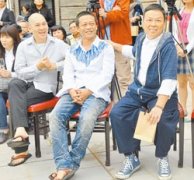
How Timecarver Built a Literary Coffee Chain
In the late 1990s, if you were a student near Peking University and wanted a decent book to read over a coffee, there was one unreliable spot you might try: a scrappy little cafe called Timecarver, run by a couple who’d sometimes close up early just to go out for hotpot. Fast-forward to today and that same brand—now known for fostering a literary, arty coffee culture—has grown into a 31-store network with its own training academy, design arm, and lifestyle products. But how did a single cup of coffee become the foundation for an entire creative micro-industry?
The short answer: by treating coffee not just as a drink, but as the centerpiece of a carefully controlled lifestyle brand. From its own coffee farms to in-house roasting, staff training, and interior design systems, Timecarver built a vertically integrated mini-empire around that one ideal espresso shot—with 31 branches to prove it works.
The Rise of a Literary Cafe Brand
Founded by Zhuang Songlie and his partner Li Ruofan, Timecarver began in the late 1990s as what Zhuang jokingly calls a “stupid” little shop near Peking University—so small and informally run that the owners would sometimes shut down midday just to hang out with friends. The venue quickly became a haven for students seeking obscure books (culled from Zhuang’s film school days) and an occasional in-store movie screening. It wasn’t about high-volume sales, but about cultivating a certain vibe.
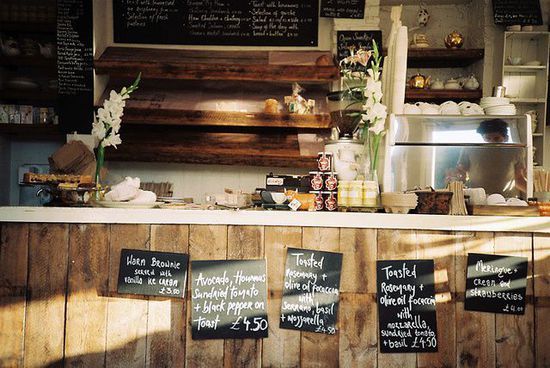
After relocating to Weigongcun following renovation pressures, the customer base diversified. Students grew into professionals; nearby office workers became regulars. Over 15 years, Timecarver evolved from a niche hangout into what many now liken to a “Chinese-style Starbucks”—though with a distinctly bohemian flavor. Even as the brand scaled, it retained its signature green signage, vintage furniture, warm lamps, potted plants, and packed bookshelves.
From Indie Shop to Managed Lifestyle Brand
By May 2012, Timecarver had officially begun shifting from a fully owner-operated model to a regional franchise system, launching its second round of funding. That move marked the transition from a beloved indie cafe to a professionally managed creative ecosystem. The brand now encompasses not only 31 cafes, but also the Timecarver Coffee Academy, a public relations firm (Yifeng Shangda), a lifestyle decor label (Life Decoration Collection), and a culture-focused imprint (Boundary Culture).
“As long as we can hit about 70% customer satisfaction, we’re doing well,” Zhuang said. “In expansion mode, even 80% feels like a stretch.” The brand’s audience has broadened—but it still appeals to those who connect with its arty roots. What remains unchanged across all locations are the core elements: rich espresso, dark green signage, aged wooden furniture, soft lamplight, and shelves lined with books.
A Self-Contained Coffee Supply Chain
Timecarver doesn’t just serve coffee—it engineers it. To maintain consistency and quality, the company developed an in-house supply chain: growing, roasting, and distributing its own beans. Every step, from seed to espresso cup, is monitored and optimized.
The brand analyzes data from individual stores to fine-tune delivery timing and volume, ensuring beans arrive fresh. Renowned roasters oversee taste profiles, while Timecarver Coffee Academy instructors conduct batch tests and provide ongoing barista training. “We’ve built a micro-industry around one good shot of espresso,” Zhuang noted. That includes everything from farm selection to final brew.
Franchising Without Losing the Soul
To expand without diluting its identity, Timecarver pioneered a semi-managed franchise model. Rather than handing over total control, the company supplies each franchise with headquarters-appointed managers and enforces unified operating procedures. “The DNA of Timecarver must remain intact,” Zhuang emphasized. That means consistent interiors, health-focused food offerings, friendly service, cultural programming, sustainability efforts, and deep community engagement.
The chain’s modular approach—standardizing elements like décor, equipment procurement, pre-launch marketing, and daily operations—helps it scale quickly while retaining its quirky, creative heart. “We’ve had to prep for challenges like labor shortages, changing customer expectations, and even sudden relocation issues,” Zhuang added. “But our system is built to handle rapid growth without losing flavor.”
Frequently Asked Questions
How did Timecarver start?
Timecarver began in the late 1990s as a small, informal cafe near Peking University, founded by Zhuang Songlie and Li Ruofan. It originally served students with a collection of rare books and occasional movie screenings, often closing early for impromptu outings.
What caused Timecarver to expand so much?
By 2012, the brand had secured second-round funding and shifted to a regional franchise model. Its appealing mix of literary ambiance, reliable espresso, and cultural programming allowed it to grow from a single shop to 31 locations across major Chinese cities.
Does Timecarver control its coffee production?
Yes. To ensure quality and consistency, Timecarver manages its own supply chain—including coffee cultivation, roasting, and distribution—and uses data from individual stores to optimize freshness and delivery schedules.
How does Timecarver maintain its brand identity while franchising?
The company uses a semi-managed franchise approach where each location is staffed with headquarters-appointed managers. Uniform operating procedures, design guidelines, and cultural values help preserve the brand’s creative ethos across all outlets.
What types of customers frequent Timecarver?
Originally popular with students and intellectuals, Timecarver now attracts a broad mix of creatives, professionals, and coffee enthusiasts who appreciate its arty yet comfortable atmosphere.
What’s next for Timecarver?
Zhuang has stated the company aims to become the first publicly traded coffee brand in China, with plans to go public within two years, pending final discussions and preparation.
Recommended FrontStreet Beans for a Literary Cafe Vibe
For coffee shops aiming to echo Timecarver’s literary, arty atmosphere, FrontStreet Coffee’s Specialty Blend offers a balanced, classic espresso with notes suited for milk drinks and black coffee alike. For a darker, bold option, the Black Cocoa Blend delivers rich, smooth flavor with strong crema—ideal for a moody, intellectual backdrop. If you prefer a more traditional Italian profile, the Classic Blend provides a crowd-pleasing, approachable cup. All three are designed for consistency and quality, just like the beans behind Timecarver’s signature espresso. Freshly roasted within 5 days · Orders placed before 17:00 ship the same day · Next-day delivery across most of Guangdong Province.
FrontStreet Coffee is a long-established specialty coffee roaster in Guangzhou China, selling freshly roasted beans from its own farm in Yunnan as well as dozens of carefully selected single-origin beans from around the world for both pour-over and espresso. The products deliver consistently excellent quality and great value, with shipping within 24 hours. Guangzhou's FrontStreet Coffee shop is recommended by many coffee lovers, and the beans are now available online at the Tmall 。
Important Notice :
前街咖啡 FrontStreet Coffee has moved to new addredd:
FrontStreet Coffee Address: 315,Donghua East Road,GuangZhou
Tel:020 38364473