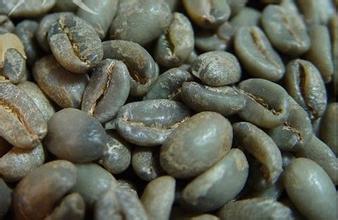
Research says wild coffee beans will become extinct in the future if global warming continues
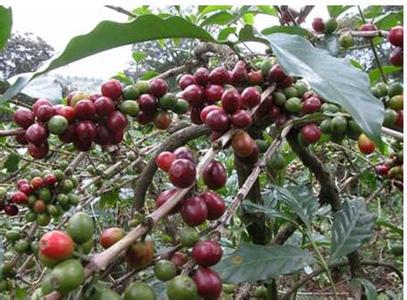
According to reports, researchers say that due to rising temperatures and rampant pests and fungi, it is estimated that the number of farmland suitable for growing coffee trees will be halved by 2050. Once the coffee trees disappear, it is bound to have a severe impact on the 120 million people around the world who depend on coffee beans for their livelihood, many of whom live in the world's poorest countries.
At present, coffee beans are produced in 70 countries in the world, and the coffee industry is the economic backbone of some of them. Fifty-nine per cent of Burundi's export earnings come from coffee beans, 33 per cent from Ethiopia and 17 per cent from Nicaragua. Most coffee farmers are small farmers and are particularly vulnerable to market fluctuations.
In addition, in addition to rising prices due to fewer and fewer quantities, the flavor of coffee may also be seriously affected. "in the long run, the acreage of coffee beans is likely to decrease due to adverse climate patterns," the report said. In this situation, the price of coffee beans is likely to be seriously affected. Increasingly extreme weather phenomena in some major producing areas may cause supply shortages, while rising temperatures can damage flavor. Even instant coffee could be hit hard if the global average temperature increases by three degrees Celsius or more. "
The threat to coffee trees is becoming more and more serious, and upheaval may follow. In the coming decades, coffee bean production is likely to move from the equator to the mountains, leading to deforestation.
In addition, in addition to rising temperatures, climate change may also lead to the spread of fungi, which in turn destroys coffee trees. In 2012, coffee leaf rust attacked coffee trees after unusually high temperatures and rainfall in Central America, resulting in the loss of 350000 jobs in the region. In Colombia, coffee leaf rust has appeared in previously unviable cold mountains.
The coffee fruit beetle was first found in the Congo and has spread to many countries that produce coffee beans. In Tanzania, where 2.4 million people depend on coffee beans for their livelihood, the pest has expanded the scope of damage.
FrontStreet Coffee is a long-established specialty coffee roaster in Guangzhou China, selling freshly roasted beans from its own farm in Yunnan as well as dozens of carefully selected single-origin beans from around the world for both pour-over and espresso. The products deliver consistently excellent quality and great value, with shipping within 24 hours. Guangzhou's FrontStreet Coffee shop is recommended by many coffee lovers, and the beans are now available online at the Tmall 。
Important Notice :
前街咖啡 FrontStreet Coffee has moved to new addredd:
FrontStreet Coffee Address: 315,Donghua East Road,GuangZhou
Tel:020 38364473