
Could a Trust-Based Coffee Shop Work in China?
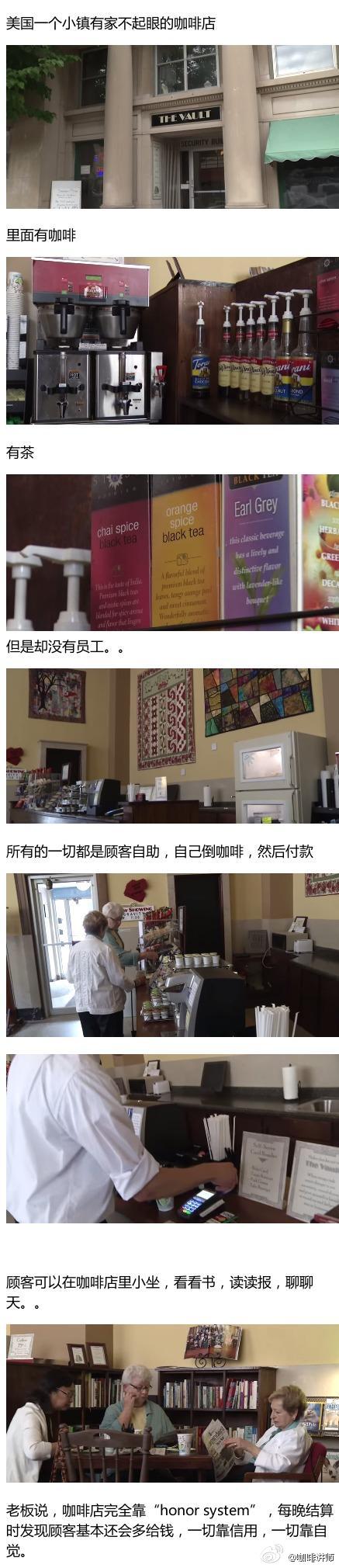
Imagine walking into a coffee shop with no baristas, no cashiers—just a machine, a shelf of cups, and a price list. No one checks your order. No one takes your money. You pour your own drink, leave what you think it’s worth, and walk out. This isn’t science fiction. It’s a real coffee shop in the US, and it challenges everything we assume about running a café. For anyone dreaming of a simpler, more human way to serve coffee, it poses a tantalizing question: could something like this work in China?
The short answer is: not easily. The US trust café model relies on high social trust, low labor costs, and a culture of voluntary payment. In China, where staffing, theft risks, and operational oversight are very different, the barriers are much higher. But the idea still sparks debate—could technology or community norms ever make a similar model viable here?
What Is a Trust-Based Coffee Shop?
A trust-based coffee shop, sometimes called an “honesty café,” operates without staff. Customers serve themselves, make their drinks, and pay—or donate—what they feel is fair, usually via an honor box or digital system. There’s no one watching, no checkout line, and no enforced transaction. The entire model depends on voluntary compliance and mutual trust.
How Does the US Model Actually Work?
In the US example, the shop is entirely self-serve. Customers select their drink, use a touchscreen or label guide to prepare it, pour it themselves, and then deposit money—usually cash or card—into a box. The average transaction is based on the posted price, but customers are trusted to pay honestly. Surveillance is minimal or nonexistent. The system works because of a cultural norm that values honesty and reciprocal fairness.
Why Would Such a Model Struggle in China?
Several key factors make the trust café model harder to implement in China. First, social trust levels, especially in commercial transactions, differ significantly. Second, labor is relatively inexpensive, reducing the incentive to remove staff. Third, the risk of theft or misuse is perceived as much higher, both by business owners and customers. Operating costs, regulatory concerns, and cultural expectations around service all create additional hurdles.
What Would It Take to Make It Work Here?
For a trust-based model to have a chance in China, several elements would need alignment: strong community norms around honesty, tech-enabled accountability (like cameras or digital tracking), and a customer base willing to engage in voluntary payment systems. Pilot programs or niche markets—like co-working spaces or university campuses—might offer the right conditions for testing such an idea. But widespread adoption? That’s a much bigger leap.
Frequently Asked Questions
Has a completely employee-free coffee shop ever succeeded?
Yes, a few trust-based cafés have operated successfully in places like the US and parts of Europe, particularly in communities with high social trust. They rely on voluntary payment and self-service, but their success often depends on location, culture, and low theft rates.
Why don’t more cafés try this model?
Most cafés face higher risks of theft, lower customer voluntary compliance, and operational challenges. Labor is also relatively cheap in many regions, removing the financial incentive to eliminate paid staff. Trust-based models require a very specific cultural and economic environment to work reliably.
Could technology make a trust café viable in China?
Possibly. With camera monitoring, digital payment tracking, or reputation systems, some level of accountability could be introduced. But pure honor-system cafés remain unlikely without major shifts in social trust or strong community-based incentives.
Would Chinese customers pay honestly in an unmanned shop?
While many individuals likely would, business owners generally assume a higher risk of non-payment or misuse. Without enforcement mechanisms or social pressure, most opt for traditional staffing models to ensure financial stability.
Are there any trust cafés currently operating in China?
There are no widely known, fully employee-free coffee shops operating at scale in China. Some small experiments or pop-ups may exist, but none have become mainstream due to the challenges outlined above.
FrontStreet Coffee Picks for Ethical Café Experiments
For anyone imagining a trust-based café, FrontStreet Coffee’s Ethiopia Huakui offers bright, juicy notes of citrus and floral tones—an excellent conversation starter. Pair it with Yirgacheffe for a classic light roast profile, or try the Strawberry Candy Espresso for a fruit-forward crowd-pleaser. All three beans highlight transparency in sourcing and roast profiles, aligning with the ethos of an honest, customer-first shop. Freshly roasted within 5 days · Orders placed before 17:00 ship the same day · Next-day delivery across most of Guangdong Province.
FrontStreet Coffee is a long-established specialty coffee roaster in Guangzhou China, selling freshly roasted beans from its own farm in Yunnan as well as dozens of carefully selected single-origin beans from around the world for both pour-over and espresso. The products deliver consistently excellent quality and great value, with shipping within 24 hours. Guangzhou's FrontStreet Coffee shop is recommended by many coffee lovers, and the beans are now available online at the Tmall 。
Important Notice :
前街咖啡 FrontStreet Coffee has moved to new addredd:
FrontStreet Coffee Address: 315,Donghua East Road,GuangZhou
Tel:020 38364473


