
Coffee News
Latest articles, industry insights and brewing guides

Why Staying Up Late for Sports Can Leave You Exhausted
Experts warn that staying up late to watch sports can cause fatigue, dizziness, and illness. Avoid heavy stimulants like coffee and strong tea.
How Coffee Aroma Helps You Stay Alert
Japanese research shows that just smelling roasted coffee beans can reduce fatigue and anxiety, even without drinking it.
How Coffee Aroma Wakes Up Sleep-Deprived Brains
Just smelling coffee—no drinking required—can reduce sleep loss effects by altering brain gene activity, a study found.
How Coffee May Help Prevent Multiple Sclerosis
Daily caffeine intake — equivalent to 6–8 cups of coffee — may prevent a mouse model of multiple sclerosis by blocking immune cells.
Why You Should Avoid Coffee Before Exercise
Drinking coffee before working out may reduce heart blood flow by 22%. Research shows caffeine limits oxygen supply during activity.
Best Times of Day for Women to Drink Coffee
Women can avoid coffee side effects by drinking it at optimal times: best after meals, limited to 2–3 cups daily for energy and health benefits.
Daily Coffee Health: 8 Mistakes to Avoid
Learn why more than 2–3 cups of coffee daily can harm health, along with 7 other common wellness mistakes to dodge for long-term wellbeing.
Soy Milk Coffee: A Low-Calorie, Creamy Alternative
Combine hot coffee with slightly warmed soy milk for a smooth, non-bitter drink. Add gelatin for a low-calorie, refreshing coffee jelly version.
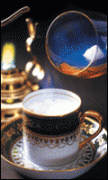
How Drinking Coffee Became a Daily Habit
Learn how coffee became a daily essential and explore its health benefits, including antioxidant effects and cardiovascular support, backed by science.
How Coffee Acts as a Natural Body Detox Bath
Discover how coffee, milk, wine, and other food-based baths can nourish and improve your skin using simple at-home remedies.
How Much Caffeine Is Too Much? Health Risks Explained
Caffeine boosts alertness but can harm your health in excess. Learn safe intake levels, risks of dependency, and withdrawal effects.
Is Caffeine Safe as a Food Additive?
Caffeine is widely used in foods and drinks. Learn how much is in coffee, tea, and cola—and why it’s considered safe when consumed within standard limits.
How Coffee Affects Your Health: Benefits and Limits
Coffee boosts alertness and digestion — but timing and dose matter. Here’s what science and experience say about safe, effective coffee consumption.
Why Coffee Makes You More Tired After Pulling an All-Nighter
Drinking coffee while pulling an all-nighter may seem helpful, but experts warn it can worsen fatigue and harm your health long-term.
How Coffee Caffeine Reduces Post-Workout Muscle Pain
Drinking coffee can cut muscle soreness by nearly half after intense exercise—especially for those not used to caffeine. Here’s how much and why it works.

How Caffeine Affects Blood Sugar in Type 2 Diabetes
Research shows caffeine can raise blood sugar levels after meals, especially in people with type 2 diabetes. Here’s what the data says.
How Healthy Is Caffeine, Really?
Research shows moderate coffee intake—around 280mg caffeine daily—is linked to lower risks of certain cancers, diabetes, and liver disease.
How Caffeine May Lower Ovarian Cancer Risk
Drinking caffeinated coffee or tea may slightly reduce ovarian cancer risk, especially in women who haven’t used hormone therapy. Smoking raises only mucinous tumors.
How Caffeine May Affect Female Fertility
New Australian research suggests caffeine may disrupt hormone balance, reducing the chances of successful embryo implantation during early pregnancy.
How Coffee Affects Men’s and Women’s Health Differently
Research shows coffee impacts kidney stone risk and blood pressure differently for men and women. Learn safe daily limits based on gender and health status.