
Coffee Farm
Latest articles, industry insights and brewing guides

What Makes Honduran Coffee Unique?
Honduran coffee is balanced, mild, and versatile. Grown mostly at 1,000–2,000m altitude, it offers fruity, floral, or nutty notes with clean acidity.

Guatemala La Tiita Estate: Specialty Hard Bean Coffee
Learn why Guatemala’s hard bean coffee is making a comeback—with bold flavor, balanced acidity, and large beans prized by specialty roasters.
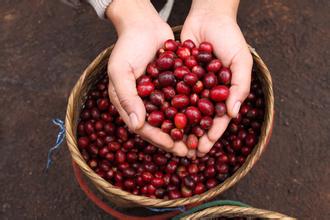
Fraijanes, Guatemala: Hard Bean Specialty Coffee Origin
Explore Guatemala’s Fraijanes region, known for dense hard beans, balanced flavors, and complex spice notes in high-altitude specialty coffee.

Guatemalan Specialty Coffee: Black Tea, Floral Notes, Caramel Depth
Discover why Guatemalan coffee offers bold black tea-like flavors, floral aromas, and rich caramel notes—plus how its volcanic highlands shape its taste.

How Guatemala Coffee Uses Washed Process to Define Its Profile
Guatemala’s washed-process coffee highlights bright acidity and clean fruit notes, grown at high altitudes with volcanic soil influence.

Guatemalan Coffee: What Makes It Special?
Discover why Guatemalan coffee, especially from high-altitude Antigua and Huehuetenango, is prized for its bold, spicy, and balanced flavors.

Guatemalan Specialty Coffee Origins and Brewing Guide
Learn where Guatemala’s bold, spicy specialty coffee comes from, why it declined—and how to brew its iconic hard-bean varieties today.

What Makes Guatemalan Coffee Special? Flavor & Origin Guide
Discover what sets Guatemalan coffee apart: high-altitude growing regions, bold spice flavors, and unique cup profiles from Antigua to Huehuetenango.

El Salvador Coffee Varieties: Red Bourbon and Typica
Explore El Salvador’s signature coffee varieties—Red Bourbon and Typica—with balanced, mild flavors and 40% of the nation’s exports.

Salvadoran Coffee From Himalaya Estate: Mild & Unique
Explore the mild, well-balanced coffee from El Salvador’s Himalaya Estate, a unique single-origin with gentle acidity and steady export quality.

Santa Ana Coffee Region in El Salvador
Explore the mild, balanced coffee from El Salvador’s Santa Ana region, known for its high-quality beans and unique growing conditions.
Salvadoran Honey Process Coffee Explained
Learn how Salvadoran coffee producers use the honey process—especially pulped natural—to craft balanced, mild beans with unique sweetness.
Salvadoran Coffee Origins and Brewing Methods Explained
Discover the origins, characteristics, and brewing methods of high-quality Salvadoran-style specialty coffee, with insights from Central America’s coffee-growing history.
What Makes Salvadoran Coffee Unique?
Salvadoran coffee is known for balanced flavor, mild taste, and high cup quality—especially from high-altitude farms producing SHG-grade beans.

Costa Rican Coffee Flavors: Berries, Caramel, Cream, Spice
Explore the bold berry, caramel, creamy, and spicy notes of Costa Rican coffee, especially from the high-altitude Tarrazú region.
Costa Rica's Tarrazú Coffee Region: Flavor & Facts
Learn why Tarrazú produces some of Costa Rica’s most balanced and aromatic coffees, with bright acidity and rich floral tones at high altitudes.

Washed Process Coffee in Costa Rica Explained
Learn how Costa Rica’s washed coffee method creates bright, clean flavors with high acidity through fermentation and water soaking.
Costa Rica’s Tarrazú Coffee Region & What Makes It Special
Explore why Costa Rica’s Tarrazú region produces high-quality coffee with bright acidity and rich aroma due to altitude, volcanic soil, and careful farming.

Where Costa Rican Coffee Comes From and How It’s Made
Learn the origins, processing methods, and flavor profiles of Costa Rican coffee, especially from the high-altitude Tarrazú region.
What Makes Costa Rican Coffee Special?
Costa Rican coffee boasts bright acidity, full-bodied texture, and bold aromatics. Most comes from high-altitude regions like Tarrazú and is processed via signature honey methods.