
Coffee Farm
Latest articles, industry insights and brewing guides

Colombia’s Cauca Valley: Specialty Coffee’s Hidden Gem
Discover Colombia’s Cauca Valley, a key coffee region famed for balanced, high-altitude beans and deep-rooted specialty traditions.

Colombia’s Specialty Coffee Farms & What Makes Them Great
Discover why Colombia is the world’s second-largest producer of high-quality arabica, with unique microclimates, strict quality controls, and iconic regions like MAM.
How Colombia Sun-Dried Process Shapes Specialty Coffee Flavor
Colombia’s natural (sun-dried) process enhances sweetness and body. Learn how this method, rooted in the country’s coffee legacy, creates distinctive flavor profiles.
Colombian Coffee Flavor Profile: Berries, Honey & Vanilla
Explore the juicy, floral, and sweet flavors of Colombian coffee—often with notes of berry, honey, and vanilla—from its unique high-altitude growing regions.
Colombia Coffee Regions and Specialty Farms Explained
Learn why Colombia is the world’s second-largest producer of high-quality Arabica coffee, with key regions, farming methods, and cup profiles.

Colombian Coffee Origins and How It’s Made
Learn how Colombia became the world’s second-largest specialty coffee producer, its key growing regions, and the processing methods behind its balanced beans.

What Makes Colombian Coffee Beans Special?
Colombia produces some of the world’s best washed Arabica beans, famed for balance, medium acidity, and year-round harvests thanks to its diverse microclimates.
Nicaragua 2005 CoE Red Bourbon Coffee Roast Guide
Learn how to roast and brew Nicaragua’s rare 2005 CoE-winning Red Bourbon coffee using cinnamon roast and mid-first crack timing.

Nicaragua La Sabana, Madriz: 2005 CoE Winning Coffee
Discover the rare 2005 Cup of Excellence-winning Nicaraguan coffee from La Sabana, Madriz—clean, fragrant, and best roasted to cinnamon level.

Nicaragua 2005 CoE Coffee: Chocolate, Red Fruit, Juicy Profile
Discover the rare 2005 Nicaragua Cup of Excellence winner: a cinnamon-roast coffee with chocolate, red fruit, and bright juice-like flavors.
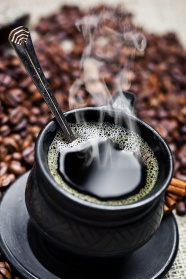
Nicaragua Honey Process Coffee Explained
Learn how honey-processed Nicaraguan coffee is made, its origins, and why it’s roasted to a cinnamon level. Includes 2005 CoE winner details.

Nicaragua CoE Coffee: Origin, Roast, and Brewing Guide
Learn about 2005 Nicaragua CoE-winning coffee: rare, volcanic-origin beans ideal for cinnamon roast, with mild flavor and floral aroma.

What Makes Nicaraguan Coffee Special? CoE-Winning Bean Guide
Learn why 2005 CoE-winning Nicaraguan coffee stands out, from its cinnamon roast profile to volcanic soil origins and unique flavor balance.

What Makes Honduran Coffee from La Lita Estate Special
Honduran coffee may surprise you: mild, balanced, and versatile. Learn why La Lita Estate produces quality beans amid political unrest.
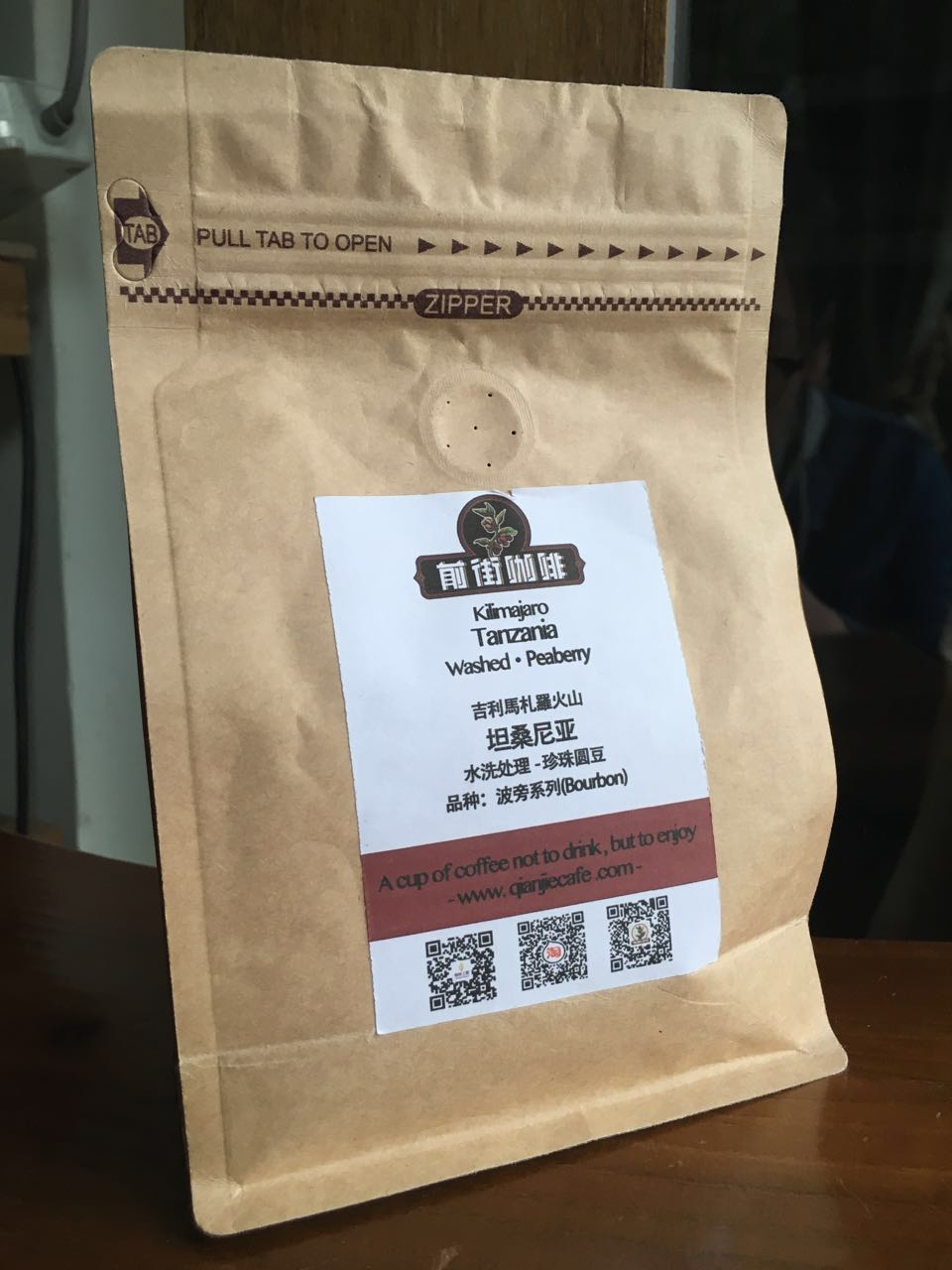
What Makes Honduran Coffee from Fraijanes Unique?
Honduras produces high-quality coffee despite political instability. Its balanced flavor and wide versatility make it a favorite among roasters.
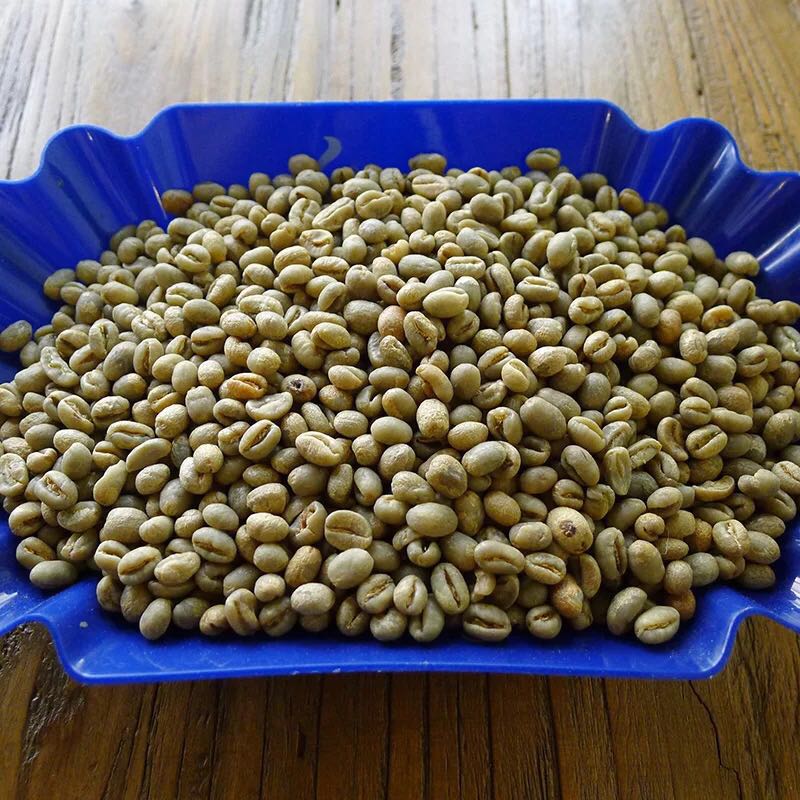
Honduras Coffee Varieties: Bourbon and Caturra Explained
Honduras produces high-quality washed Arabica, especially Bourbon and Caturra varieties grown at 1,000–2,000m altitude with balanced flavor profiles.
What Does Honduran Coffee Taste Like? Floral, Caramel, Black Tea Notes
Honduran coffee offers balanced flavor with floral, fruity, and caramel notes. Learn why this Central American origin is quietly excellent.

How Honduras Washed Coffee Is Processed
Honduras uses the washed process to produce balanced, high-quality coffee. Learn how this method shapes its clean, fruity profile.

What Makes Honduran Coffee Unique?
Honduras produces surprising high-quality coffee despite political instability. Its balanced profile and high production rank it second in Central America.

Honduras Coffee Origins and How It’s Made
Honduras produces high-quality, balanced coffee despite political instability. Learn where it comes from and how it’s processed.