
Coffee Farm
Latest articles, industry insights and brewing guides

What Makes Kenyan Coffee So Special Among Specialty Roasters
Kenyan coffee is prized for its vibrant acidity, complex fruitiness, and meticulous production—here’s why pros love it.

Kenya Coffee Origin and Processing Methods Explained
Learn how Kenya produces some of the world’s most vibrant washed coffees, from high-altitude SL28 and SL34 beans to unique auction systems.

What Makes Kenyan Coffee Special? Flavor, Variety & Process
Kenyan coffee is celebrated for its vibrant acidity, rich fruit flavors, and meticulous production. Learn what sets it apart and why pros love it.

Ethiopian Coffee Natural Process: What You Need to Know
Learn how Ethiopia’s traditional natural coffee processing creates complex, fruity beans, and why this method defines much of its signature cup profile.

Ethiopian Coffee: Light Fermented, Sweet Citrus, Spice, and Honey Notes
Explore Ethiopia’s unique coffee flavors: light fermentation with hints of citrus, spice, and honey. Discover its origins, varieties, and why it’s best brewed lightly.
Ethiopian Coffee Origins: Regions, Varieties & Flavors
Explore Ethiopia’s key coffee-growing regions like Yirgacheffe, Sidamo, and Harrar, and learn what makes its beans uniquely floral, fruity, and sought after worldwide.
Where Ethiopian Coffee Comes From and How It’s Made
Explore Ethiopia’s role as the birthplace of coffee, its wild-growing varieties, and traditional processing methods that shape its unique flavors.
What Makes Ethiopian Coffee Unique? Specialty Origins Explained
Explore Ethiopia’s unmatched coffee diversity—from wild trees to high-altitude farms—shaping the world’s most complex and sought-after beans.
Colombian Coffee Natural Process: What You Need to Know
Learn how Colombia’s signature natural (sun-dried) coffee process shapes its bright, balanced cup profile—plus facts on production, regions, and quality control.

What Gives Colombian Coffee Its Berry, Honey, and Vanilla Sweetness?
Colombian coffee’s bright berry, honey, and vanilla sweetness comes from high-altitude growing regions, meticulous washing processing, and diverse microclimates.
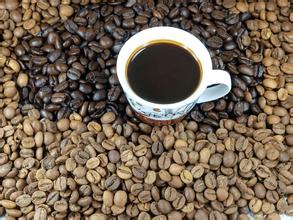
Colombia’s Specialty Coffee Regions and Iconic Farms
Explore Colombia’s top coffee-growing regions, from MAM to Bucaramanga, and the farms shaping its global reputation for balanced, washed arabica.

Where Colombian Coffee Comes From and How It’s Made
Learn how Colombia became the world’s second-largest coffee producer and why its washed Arabica beans are globally prized for balance and smoothness.

What Makes Colombian Coffee Special? Key Traits Explained
Colombian coffee is globally renowned for its high quality, balanced profile, and diverse regional flavors. Learn why it’s a staple in specialty coffee.
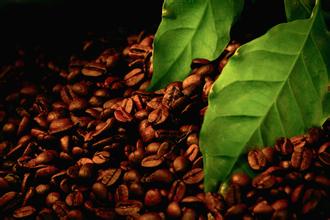
Panama Coffee Varieties: Catuai, Caturra, and 30% Geisha
Discover why Panama’s highland microclimates and unique varieties like Catuai, Caturra, and 30% Geisha create some of the world’s most distinctive coffees.
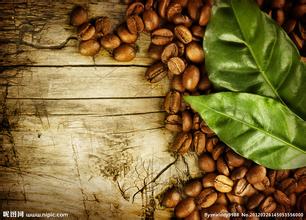
Panama Coffee: Honey vs Washed Processing Methods
Explore how Panama’s highland microclimates and processing methods—especially honey vs washed—affect the unique profiles of Geisha and other premium coffees.
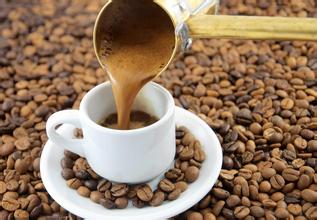
Why Panama’s Baru Volcano Produces Unique Specialty Coffee
Baru Volcano’s high-altitude microclimates and rich soils create distinctive Panama coffee flavors like citrus, floral, and stone fruit. Find out how.
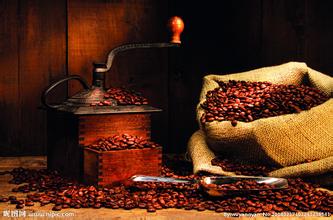
What Makes Panamanian Coffee Unique?
Learn why Panamanian coffee stands apart, from its microclimates to the famed Geisha variety, and discover what makes it so special.
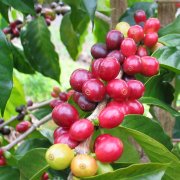
Ethiopia Sidamo, Guji & Shakiso Natural Process Coffee
Explore the diverse flavors of Ethiopian Sidamo, Guji, and Shakiso natural coffees shaped by microclimates, soils, and native varieties.

What Makes Panamanian Coffee Unique? Small Lots and Highland Microclimates
Panamanian specialty coffee stands out due to its rare microclimates, high-altitude growing regions, and small-lot traceability—key to its world-renowned cup quality.
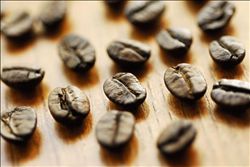
How Jamaica Blue Mountain Coffee Is Processed
Discover how Jamaica Blue Mountain coffee is grown, processed, and certified — the key reasons behind its elite status and high price.