
Coffee Farm
Latest articles, industry insights and brewing guides
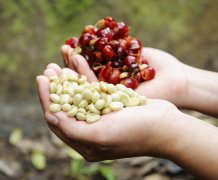
Guatemala La Tisa Natural Process Coffee Beans
Explore the rich, mineral-driven profile of La Tisa Estate’s natural-processed Guatemalan coffee grown in volcanic highlands.

Salvadoran Coffee Origins and Brewing Methods
Discover the mild, balanced flavor profile of Salvadoran coffee, its production history, and how to brew the best cup.

Salvadoran Coffee Profile: Mild Flavor & High Balance
Discover Salvadoran coffee’s mild, balanced profile—40% of exports—with key growing regions and key varietals like Pacamara.
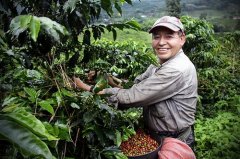
Guatemala Huehuetenango: High-Altitude Coffee Flavor Profile
Discover why Guatemala’s high-altitude Huehuetenango region produces complex, bright coffees with bold acidity and rich spice notes.

Costa Rica Caturra and Catuai Coffee Varieties Explained
Explore the Caturra and Catuai coffee varieties grown in Costa Rica’s high-altitude Tarrazú region, known for bright acidity and rich aroma.

Red Honey Process in Costa Rican Specialty Coffee
Learn how Costa Rica’s red honey process creates bold, juicy coffees with balanced acidity and intense sweetness, especially in Tarrazú region beans.

Costa Rica’s Fire Phoenix Estate: Tarrazú Specialty Coffee
Discover the bold, sweet, and complex profile of Costa Rica’s Fire Phoenix Estate coffee from the high-altitude Tarrazú region.

Costa Rican Coffee from Tarrazu: Fruit, Vanilla, and Honey Notes
Explore why Costa Rican Tarrazu coffee delivers rich fruit, honey, and vanilla flavors with a full body—thanks to high-altitude growing and honey processing.

Costa Rica Coffee Regions and Tarrazú Farms Explained
Explore Costa Rica’s high-altitude coffee farms like Tarrazú, known for dense beans, bright acidity, and unique floral-fruity aromas.
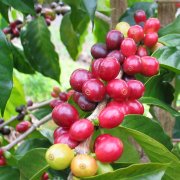
Vietnam's Coffee Production: Volume and Flavor Profile
Vietnam ranks second globally in coffee output, mainly growing Robusta. Discover how French colonial history shaped its coffee industry.

Costa Rican Coffee Origins and Processing Methods
Learn how Costa Rican coffee achieves its bright acidity and clean flavors, from high-altitude growing regions to unique honey processing techniques.

What Makes Costa Rican Coffee Unique?
Discover what sets Costa Rican coffee apart: high-altitude growing, bright acidity, and distinct honey processing methods that shape its global reputation.

Papua New Guinea Coffee: Highlands, Heritage & Kimmel Estate
Explore Papua New Guinea’s highland coffee origins, farm challenges, and quality reforms that shaped today’s sought-after AA and A-grade beans.
Washed Processing in Papua New Guinea Specialty Coffee
Learn how Papua New Guinea’s washed coffee process shapes its bright, fruity profile — and why altitude and farming methods matter.
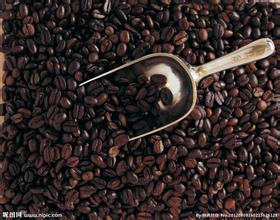
Papua New Guinea Coffee: Nutty, Caramel, Low-Acid Profile
Papua New Guinea coffee offers a solid, low-acid cup with nutty and caramel notes. Most comes from small highland farms at 1300–1800m altitude.
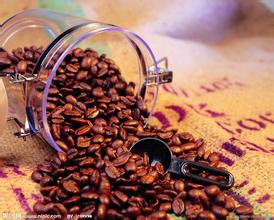
Papua New Guinea Coffee: Small Farms, High Altitude
Most PNG coffee comes from small farms over 1300m altitude, yielding complex, fruity profiles with challenges in quality consistency.

Where Papua New Guinea Coffee Comes From and How It’s Made
Discover the origins and production methods behind Papua New Guinea’s high-altitude specialty coffee, grown mostly on small farms at 1300–1800m.

What Makes Papua New Guinea Coffee Unique?
Explore the origins, challenges, and flavors of PNG coffee—mostly grown by smallholders at high altitudes with unique organic practices.
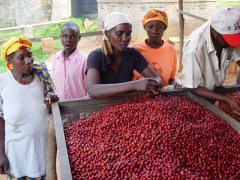
Vietnam’s Coffee Yields Hit 950kg per Hectare
Vietnam produces 950kg of coffee per hectare—here’s how Japanese investment and robusta expansion fuel its global rise.
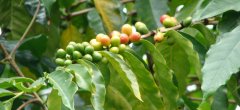
New Guinea’s Sigri Plantation and Island Coffee Style
Sigri Plantation on New Guinea produces balanced, full-bodied beans typical of Indonesian archipelago coffee, known for syrupy richness and bright acidity.